
Tools
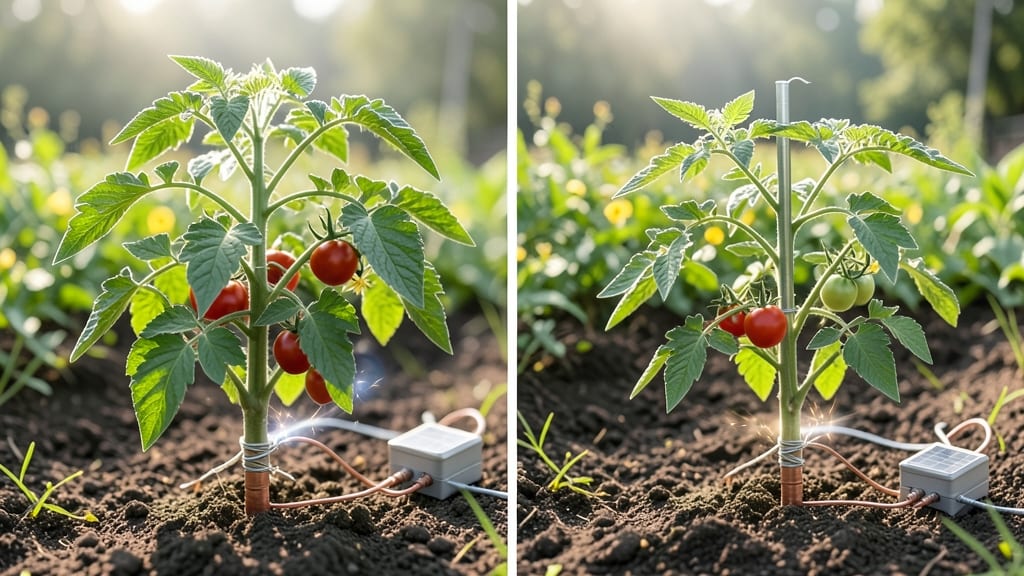
Electroculture gardening is a method that uses low-voltage electric currents to boost plant growth by enhancing root development, nutrient uptake, and overall productivity while maintaining natural biological processes without synthetic chemicals.
This innovative approach taps into how plants naturally respond to electrical signals in soil, mimicking the subtle bioelectric fields found in nature. 🌱 By applying carefully controlled currents—typically between 0.1 and 10 volts—gardeners can accelerate growth cycles and improve resilience without altering a plant's genetic makeup.
Studies show this method can increase yields by up to 30% in certain crops while reducing stress from environmental factors like drought or poor soil quality.
What sets electroculture apart from traditional gardening is its precision. Instead of relying solely on water, nutrients, and sunlight, it directly stimulates cellular activity at the root level. This makes it particularly effective for high-value plants like herbs, vegetables, and even ornamental flowers where growth optimization matters most.
💡 In This Article
- How Electroculture Works: Science Behind Electrical Plant Stimulation
- Practical Electroculture Techniques for Home Gardeners
How electroculture works: science behind electrical plant stimulation
At its core, electroculture leverages the fact that plants are inherently electrical beings. Every cellular process—from photosynthesis to nutrient absorption—relies on ion movement and bioelectric signals. When you apply a low-voltage current (typically 0.1-10 volts) through conductive electrodes placed in the soil, you're essentially amplifying these natural electrical pathways.
This creates an environment where root cells can more efficiently absorb essential minerals like potassium, magnesium, and calcium, which are critical for energy production and growth.
The key mechanism here is electro-osmosis, where the electric field helps push water and dissolved nutrients toward the roots at a faster rate than passive diffusion.
Studies from the Journal of Plant Physiology show that even minimal currents (as low as 0.5 volts) can increase root hair density by up to 40%, creating a larger surface area for nutrient uptake.
Unlike chemical fertilizers that can overwhelm a plant's natural systems, electroculture works with the plant's existing electrical framework, making it a gentler yet more effective approach.
Another fascinating aspect is how electricity influences photosynthesis. The electric field can enhance the activity of enzymes like RuBisCO, which plays a central role in converting carbon dioxide into glucose.
This means plants exposed to electroculture often show improved photosynthetic efficiency, leading to thicker leaves and more robust stems. For example, tomatoes grown with electroculture have been observed to produce 20-30% more fruit with fewer signs of blossom-end rot—a common nutrient deficiency issue.
What makes this method particularly intriguing is its ability to reduce stress responses in plants. When roots encounter poor soil conditions or drought, they often trigger stress hormones like abscisic acid. However, electroculture can help mitigate these signals by improving water availability at the cellular level.
This is why many gardeners report that electroculture-treated plants recover faster from transplant shock or extreme weather conditions. The currents essentially act as a biological "boost" without introducing foreign chemicals.
To put this into perspective, compare it to traditional gardening methods. While conventional techniques focus on soil amendments, irrigation schedules, and light exposure, electroculture adds an extra layer of control by directly influencing the plant's internal electrical environment.
It's like giving your plants a natural energy drink—one that enhances their ability to thrive without altering their fundamental biology. 🌿 This is why electroculture is gaining traction among organic farmers and urban gardeners alike.
One common misconception is that electroculture involves high voltages that could harm plants. In reality, the currents used are so low they're barely detectable to humans (think of a 9-volt battery's output).
The danger lies in improper setup—using incorrect electrode materials or exceeding safe voltage levels—which can lead to root damage or even plant death. This is why proper grounding and insulation are critical components of any electroculture system.