
Planting
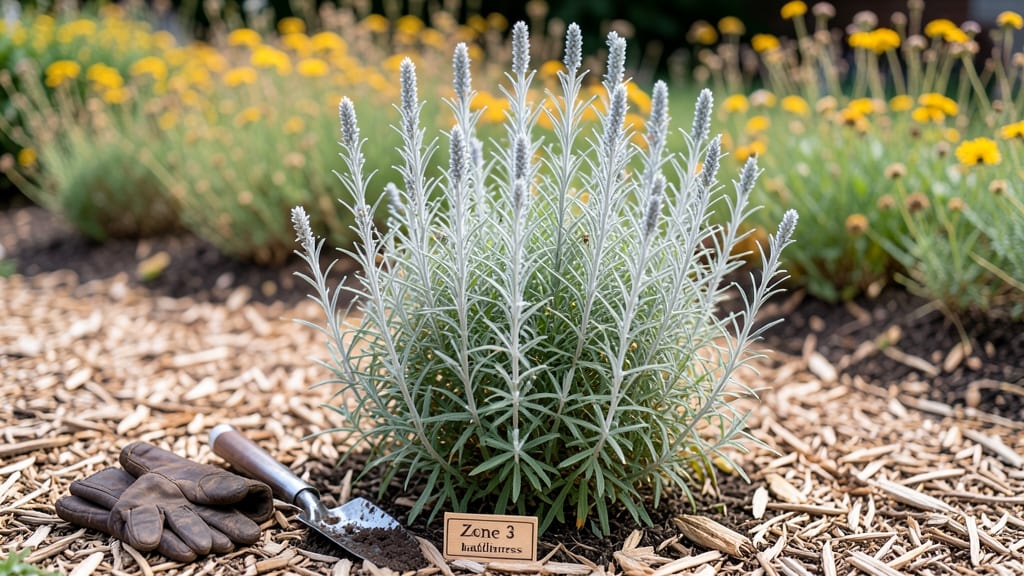
For zone three gardening, focus on drought-resistant perennials like lavender, Russian sage, and sedum, which thrive with minimal summer watering once established. These cold-hardy plants handle extreme winters and hot summers when planted with proper soil prep and mulching.
Zone three gardening isn't just about survival—it's about creating vibrant, low-maintenance landscapes that flourish despite harsh conditions. 🌿 The secret lies in selecting plants with deep root systems that access water deep underground, like Russian sage, which can withstand 10-15°F winters and dry spells. Lavender and sedum also excel here, thanks to their waxy leaves that reduce moisture loss.
These plants aren't just tough—they reward gardeners with stunning blooms and minimal upkeep once their roots establish.
What sets these perennials apart is their ability to adapt. Unlike thirsty annuals, they develop robust root networks over time, making them self-sufficient in Zone 3's challenging climate.
The key is starting right: amending soil with compost before planting and applying 3-4 inches of mulch to retain moisture and regulate soil temperature. This prep work pays off big time in summer, when established plants often need watering only once every 2-3 weeks.
💡 In This Article
- Why These Perennials Survive Zone 3’s Harsh Conditions
- Planting and Maintenance Tips for Low-Water Zone 3 Gardens
Why these perennials survive Zone 3’s harsh conditions
Zone 3's extreme climate—where winter temperatures can plunge to -30°F and summers bring dry, scorching winds—tests even the hardiest plants.
The perennials that thrive here share key botanical adaptations that make them survivors. Russian sage (Perovskia atriplicifolia), for example, has a deep taproot system that can reach 6-10 feet underground, accessing moisture and nutrients far below the surface where other plants can't compete.
This root structure also helps it store energy for rapid regrowth after winter dormancy.
The waxy, silver-green foliage of Russian sage and lavender isn't just for show—it's a survival mechanism.
These leaves have a thick cuticle layer that reduces water loss through evaporation by up to 40% compared to softer-leaved plants. Sedum (stonecrop) takes this a step further with its fleshy, succulent leaves that store water like tiny reservoirs.
Even when summer rains are scarce, these plants can draw on their own moisture reserves. The aromatic oils in lavender leaves also serve as a natural sunscreen, protecting the plant from intense UV radiation during long, hot days.
What's fascinating is how these plants handle freezing temperatures. Most Zone 3 perennials produce antifreeze proteins—natural compounds that prevent ice crystals from forming in their cells during winter. Russian sage can survive -30°F temperatures because these proteins lower the freezing point of its cell fluids.
Meanwhile, sedum goes dormant above ground but keeps its roots alive, allowing it to bounce back quickly when spring arrives. This dual strategy of deep roots and antifreeze chemistry is why these plants don't just survive Zone 3 winters—they often look better after them than many tender annuals.
Another critical adaptation is their reproductive strategy. These perennials focus energy on building strong root systems rather than rapid above-ground growth. Lavender, for instance, produces flowers that bloom over an extended period (typically 6-8 weeks in summer), ensuring pollinators visit even when conditions are dry.
The flowers themselves contain compounds that help attract pollinators during times when other plants might be struggling to bloom. This extended flowering period not only supports local ecosystems but also means you get continuous color in your garden with minimal water investment.
Consider the soil conditions these plants prefer: well-draining, slightly alkaline soil with a pH between 6.5-7.5. This matches Zone 3's natural soil conditions in many areas, reducing the need for amendments.
The plants' ability to thrive in these conditions means less work for gardeners—no need for constant soil testing or pH adjustments. Their natural drought tolerance also means they're perfectly suited for the 10-15 inches of annual precipitation typical in many Zone 3 regions, where summer droughts can be severe.
The combination of these adaptations—deep roots, water-storing tissues, antifreeze proteins, and efficient water use—explains why these perennials don't just survive Zone 3's challenges but often outperform more delicate plants.
What's remarkable is how these features work together: the deep roots access water, the waxy leaves conserve it, and the antifreeze proteins protect the plant when temperatures drop. It's nature's perfect survival package for harsh climates. 🌟