
Vegetables
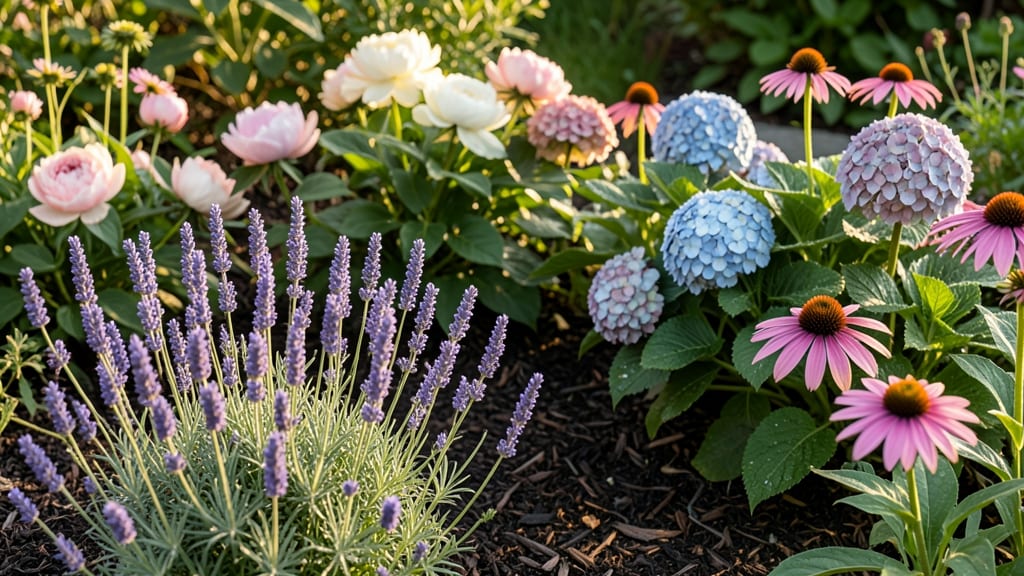
Strolling the gardens to harvest vegetables successfully requires checking plants at their peak ripeness—morning visits preserve crispness, regular inspections track seasonal growth, and careful handling maintains quality. Prioritize leafy greens, tomatoes, and root vegetables for the best flavor and harvest efficiency.
Timing your garden walks makes all the difference between vibrant harvests and wilted disappointments. 🌱 The key is understanding each vegetable's unique cues—tomatoes blush deeper when ripe, zucchini soften slightly, and herbs release their strongest aromas in the cool morning air.
I've learned that a quick 15-minute stroll through the garden every other day during peak season can triple your yield by preventing overripening. Plus, harvesting at the right time boosts flavor and storage life, so you're not left with sad, shriveled produce in your kitchen.
Seasonal patterns also play a huge role. Early spring brings tender greens like lettuce and peas, while summer demands frequent checks for fast-growing tomatoes and cucumbers. Root vegetables like carrots and beets often thrive in cooler fall weather, so adjust your garden strolls accordingly.
The best part? A well-timed harvest means your kitchen will always have fresh, homegrown ingredients ready for cooking.
💡 In This Article
- When to Harvest Vegetables by Season and Type
- Garden Harvesting Tools and Techniques for Beginners
When to harvest vegetables by season and type
Harvesting vegetables at their peak ripeness isn't just about timing—it's about understanding how each plant communicates its readiness through subtle physical changes. For leafy greens like spinach and kale, the key is size and texture: harvest outer leaves when they reach 4-6 inches long, keeping the plant's growth center intact.
Tomatoes reveal their ripeness through color shifts—from green to yellow to deep red—and a slight give when gently squeezed. The science here involves ethylene gas production, which accelerates as fruits ripen, making morning harvests ideal when temperatures are cooler (60-70°F) and ethylene activity peaks.
Seasonal growth cycles dictate when to expect these ripeness cues. Early spring vegetables like peas and lettuce mature quickly in 50-60°F temperatures, while summer crops like zucchini and cucumbers grow explosively when daytime highs reach 75-85°F.
Root vegetables have different timing—carrots and beets develop best in cooler fall weather (55-65°F) when they can focus energy on root growth rather than leaf production.
The trick is to monitor your garden daily during peak seasons, as some vegetables like pole beans can go from edible to stringy in just 24 hours.
Environmental factors like sunlight and rainfall also influence harvest windows. Leafy greens bolt (go to seed) faster in hot weather, while tomatoes may crack if rainfall exceeds 1 inch per week before harvest.
I've noticed that morning harvests preserve crispness in lettuce and herbs because nighttime dew can make leaves more delicate. For tomatoes, picking in the morning also means you're capturing the day's accumulated sugars—resulting in sweeter, more flavorful fruit.
This is why professional growers often harvest in the early hours when the plant's natural sugars are at their peak concentration.
Some vegetables benefit from staggered harvesting. Zucchini, for example, should be picked when 6-8 inches long to prevent them from becoming tough and seedy. If left unattended, they can grow to 12 inches in a single day, making them less palatable.
Similarly, herbs like basil and cilantro release their strongest aromas when harvested just before flowering—this is when their essential oil production peaks. The rule of thumb is to harvest one-third of the plant at a time to encourage bushier growth, giving you a continuous supply throughout the season.
Don't overlook the importance of storage conditions post-harvest. Leafy greens like arugula and spinach should be stored in 32-35°F conditions with high humidity (90-95%) to maintain crispness. Tomatoes, on the other hand, ripen better at room temperature (68-72°F) because cooler temperatures slow their ethylene production.
This is why many gardeners bring tomatoes inside to ripen on the counter rather than refrigerating them immediately after harvest. Understanding these post-harvest needs helps extend your garden's bounty well beyond the initial harvest.
For beginners, a simple trick is to harvest a small sample first and taste it. This gives you a baseline for what "ripe" means for your specific growing conditions.
For instance, heirloom tomatoes might ripen to a deeper red in your garden than store-bought varieties, while your homegrown carrots could develop sweeter flavors due to richer soil. Paying attention to these individual characteristics ensures you're harvesting at the absolute peak of flavor and quality. 🌿