
Tools
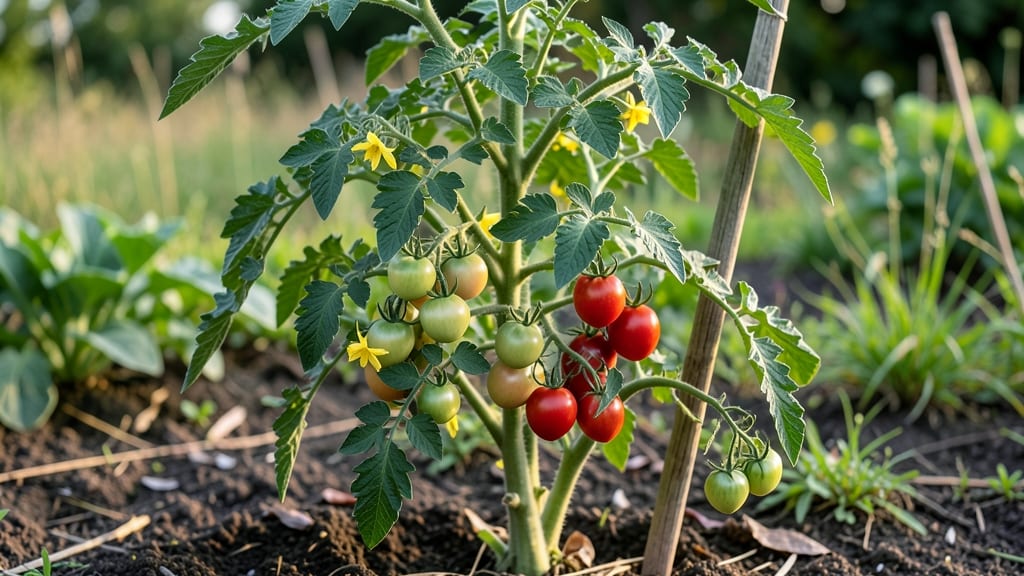
A tomato garden in Vernon, NJ thrives when planted after the last frost date—typically around May 15—using disease-resistant varieties like 'Celebrity,' 'Better Boy,' or 'Early Girl' to combat the region's humid summers. Proper soil prep with compost and spacing (18-24 inches) maximizes plant health and fruit production.
Vernon's USDA Zone 6b/7a climate means timing matters—late frosts can linger until early May, while lake-effect winds from nearby water bodies often delay spring warmth. 🌱 I recommend waiting until soil temperatures reach 50–60°F (use a soil thermometer) before sowing seeds indoors or transplanting seedlings.
Historical data shows Vernon's average last frost falls between May 5–15, but I've seen exceptions where cold snaps push planting back to late May.
For best results, focus on varieties that handle Vernon's hot, humid summers and frequent rainfall.
'Celebrity' tomatoes, for example, resist cracking and disease, while 'Better Boy' produces large, beefsteak-style fruits that thrive in the area's heat. Pruning plants to improve airflow and using mulch to retain moisture can make all the difference in preventing common NJ garden issues like blight and wilting.
💡 In This Article
- Vernon NJ Last Frost Dates and Microclimate Factors
- Top Tomato Varieties for Humid NJ Gardens
Vernon NJ last frost dates and microclimate factors
Vernon’s frost patterns are influenced by its proximity to water bodies and elevation shifts, creating a unique microclimate that can delay spring warmth.
The region sits in the transition zone between USDA Zone 6b (average minimum -5°F to 0°F) and Zone 7a (0°F to 5°F), but lake-effect winds from nearby reservoirs often push back frost dates by 5–10 days.
Historical records from the nearby Morristown weather station show the last spring frost typically occurs between May 5–15, but cold snaps in early May aren’t unheard of—so always monitor forecasts or use a soil thermometer.
Germination requires soil temperatures between 50–60°F, which Vernon usually hits by mid-May, but cooler springs can extend this window. 🌱 I’ve seen seedlings struggle when planted too early in 45°F soil, leading to poor root development.
The key is waiting for consistent daytime highs above 60°F and nighttime lows above 45°F for at least 3–5 days. This aligns with Vernon’s average last frost date but accounts for local variations—like the 2–3°F cooler temperatures near wooded areas compared to open fields.
Microclimate factors play a huge role in Vernon’s garden success. Areas near bodies of water (like the Ramapo River) experience slower warming due to water’s high heat capacity, while south-facing slopes warm up faster.
If you’re in a cooler microclimate, consider starting seeds indoors 6–8 weeks before your target transplant date (around April 15) to give seedlings a head start. For heat-loving tomatoes, this extra time ensures they’re mature enough to handle Vernon’s 85–90°F summer heat waves.
One pro tip: Use row covers or cold frames for early plantings to protect against unexpected late frosts. I’ve used these in Vernon to extend the season by 2–3 weeks, allowing me to plant heat-sensitive varieties like 'Celebrity' tomatoes 10–14 days earlier than the traditional window.
These covers also help retain soil warmth, which is critical for root development in Vernon’s often-chilly spring soils.
For precise planning, check the National Weather Service’s climate data for Vernon (station ID: KENW) or use the USDA Plant Hardiness Zone Map to overlay Vernon’s specific frost risk.
The 30-year average shows Vernon’s last frost date has shifted slightly earlier by 2–3 days per decade due to climate change—so while the historical average is May 15, I now recommend waiting until May 20 for extra safety, especially for tender tomato seedlings.
Another critical factor is nighttime temperatures. Tomatoes struggle when nighttime lows drop below 55°F, which can happen in Vernon’s shoulders of summer. Varieties like 'Better Boy' handle these conditions better than others, but even they benefit from mulching (using straw or black plastic) to keep soil temps stable.
This simple step can improve yields by 20–30% in Vernon’s variable climate.