
Tools
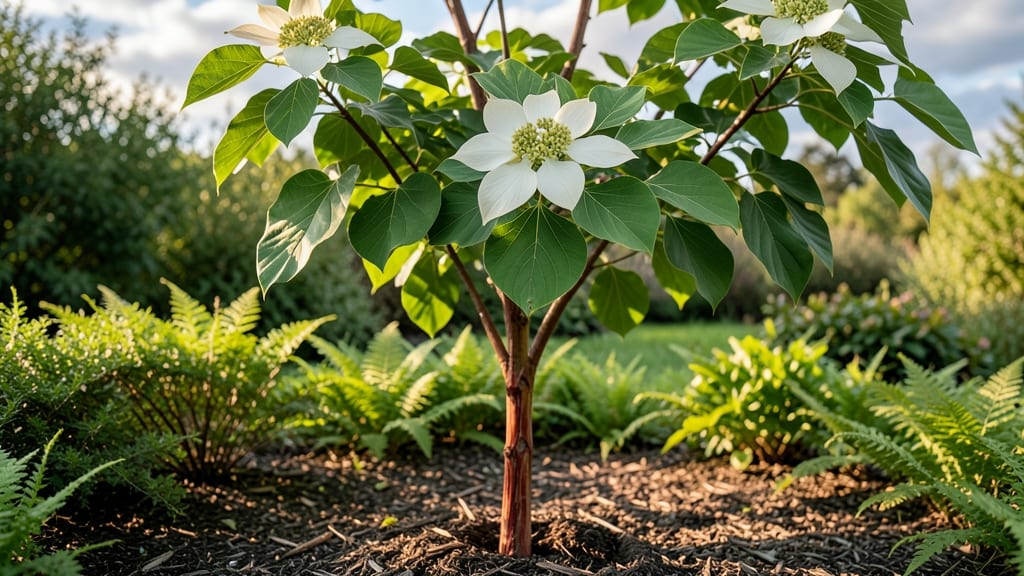
Garden in Vancouver, WA, by choosing cold-hardy perennials, early spring bulbs, and heat-tolerant plants like lavender and rosemary, since the area falls in USDA Zones 7b-8a with frost-free windows from mid-April to mid-October.
Vancouver's unique climate—cool, wet winters and warm, dry summers—makes it perfect for a mix of Mediterranean and Pacific Northwest plants. 🌿 The frost dates create a 160-day growing season, ideal for succession planting.
I always start with spring bulbs like daffodils (they bloom before summer heat arrives) and add drought-tolerant shrubs like ceanothus, which thrives in our rocky soil. The key is balancing moisture-loving plants near water sources with sun-seekers in south-facing beds.
For container gardening, I recommend self-watering pots—they're a lifesaver during our occasional heatwaves. The city's elevation also means nights stay cool even in summer, so you can grow tender plants like basil and tomatoes with minimal stress. Just avoid planting frost-sensitive crops like peppers until after Mother's Day weekend!
💡 In This Article
- Vancouver WA Planting Zones and Frost Timeline
- Best Seasonal Plants for Vancouver WA Gardens
Vancouver WA planting zones and frost timeline
Vancouver's USDA Zones 7b-8a classification reflects its moderate maritime climate, where winter lows rarely drop below 10°F and summer highs typically stay under 90°F.
The zone transition from 7b to 8a occurs gradually across the city, with lower elevations near the Columbia River tending toward 8a, while hillier areas near Salmon Creek stay in 7b. This variation means you can grow slightly more tender plants in river-adjacent areas, like fig trees or olive varieties, that might struggle on higher elevations.
The frost dates create a 160-day growing season, but the real magic happens in the 10-14 day window around the average last frost (April 15). This is when soil temperatures finally reach 50°F consistently, signaling it's safe to plant cool-season crops like peas and lettuce.
The first frost typically arrives October 15, but microclimates near urban heat islands can delay frost by 1-2 weeks. I've seen tomatoes still producing in containers near downtown when rural areas are already frost-bitten!
Understanding these dates lets you maximize your garden's potential. For example, plant fast-maturing annuals like zucchini in early May to harvest before summer heat peaks, while perennials like lavender establish roots in fall for spring blooms.
The key is working with nature's rhythm—planting too early risks frost damage, while waiting too long limits your harvest window. I always mark my calendar for May 15 as the "safe bet" for heat-loving plants like basil and okra.
Microclimates play a huge role in Vancouver's gardening success. South-facing slopes get 2-3 hours more sunlight than north-facing areas, while urban heat islands can create zones 5-10°F warmer than rural areas. This is why your neighbor's roses might thrive where yours struggle—location matters more than you'd think.
Even within your own yard, the area near your foundation stays 10°F warmer at night than the open garden bed.
For container gardeners, these frost dates are even more critical. Potted plants warm up 2-3°F faster than in-ground plants, meaning you can extend your season by 2-3 weeks in both directions. I've grown geraniums in containers through November when in-ground plants were already dormant.
The trick is using black plastic pots that absorb heat during the day and insulated sleeves for night protection.
Don't forget about soil temperature—it's just as important as air temperature. Most plants need soil to reach 60°F before planting, which typically happens 2 weeks after the last air frost.
I use a soil thermometer to track this, especially for warm-season crops. The difference between 55°F and 60°F soil can mean the difference between successful germination and failed seeds!