
Vegetables
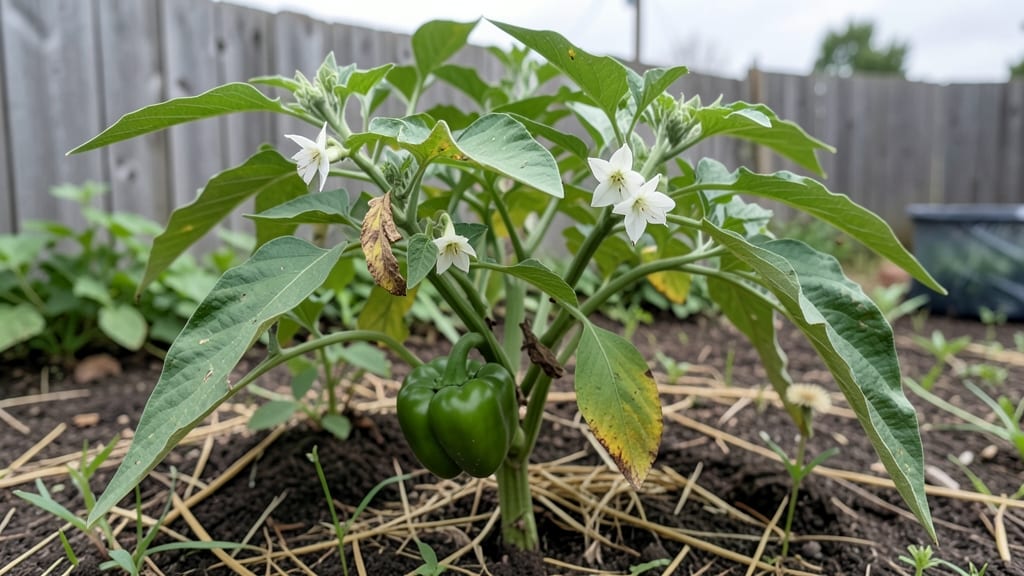
Growing bell peppers 🌶️ in a square-foot garden means packing serious flavor into a tiny space—no sprawling rows required.
Imagine your balcony or patio bursting with high-yield peppers in a 1x1-foot grid, where every inch works harder than a traditional garden. This isn’t just clever—it’s the secret to turning limited space into a pepper powerhouse, and I’ll show you exactly how to do it right.
Whether you’re in USDA Zone 6 or a container on a fire escape, square-foot gardening lets you grow more peppers with less land. The key? Smart spacing, the right varieties, and a few pro tips to keep your plants thriving from spring planting to fall harvest.
By the end, you’ll know how many peppers fit in a square foot, the best layouts for your space, and how to avoid common mistakes that waste your hard work. Let’s get started!
How many bell peppers fit in a square foot garden?
Square foot gardening turns tiny spaces into high-yield pepper gardens, but getting the planting density right is key. Bell peppers vary in size—from compact bush varieties to sprawling standard types—so one square foot can hold anywhere from 1 to 4 plants, depending on your goals.
The trick is balancing airflow, root space, and sunlight access to avoid stunted growth or disease.
Most gardeners start with 1 pepper plant per square foot for standard varieties, but dwarf or mini types can squeeze in 4 plants in the same space.
Overcrowding leads to poor pollination, fungal issues, and smaller yields—so follow the spacing rules below to maximize your harvest without sacrificing plant health.
🌱
| Variety Type | Plants per Square Foot | Spacing (inches) | Mature Size (ft) | Expected Yield per Plant |
|---|---|---|---|---|
| Dwarf Varieties (e.g., 'Tiny Tim', 'Pico de Gallo') | 4 | 6-8" | 1-2 | 8-12 peppers |
| Mini Varieties (e.g., 'Lunchbox', 'Snack Box') | 3 | 8-10" | 2-3 | 12-15 peppers |
| Standard Varieties (e.g., 'California Wonder', 'Jupiter') | 1 | 18-24" | 3-4 | 20-30 peppers |
| Large Varieties (e.g., 'Monarch', 'Big Beautiful') | 1 | 24-36" | 4-5 | 30-40 peppers |
Dwarf varieties like 'Tiny Tim' or 'Pico de Gallo' are perfect for square foot gardens because their compact size lets you fit 4 plants per square foot.
These peppers stay under 2 feet tall and produce 8-12 peppers per plant, making them ideal for urban gardeners or small containers. Just ensure they get 6-8 hours of sunlight daily to avoid leggy growth.
For mini varieties like 'Lunchbox', space them 8-10 inches apart to allow 3 plants per square foot. These peppers yield 12-15 fruits per plant and thrive in tight spaces, but prune regularly to encourage air circulation and prevent blossom end rot.
A light pruning shears keeps them productive all season.
Standard varieties like 'California Wonder' need their own square foot—plant just 1 per square with 18-24 inches of spacing. These peppers grow 3-4 feet tall and produce 20-30 peppers per plant, but their larger size means you’ll need more squares for a full harvest.
Stake or cage them early to support their weight.
If you’re growing large varieties like 'Monarch', stick to 1 plant per square foot with 24-36 inches of clearance. These giants reach 4-5 feet tall and yield 30-40 peppers, but they’ll dominate the space.
Use trellises or cages to save room and improve airflow—critical for preventing powdery mildew in dense gardens.
Pro tip: Mix dwarf and standard varieties in larger gardens to optimize space. For example, dedicate 1 square foot to a standard pepper and surround it with 4 dwarf peppers in adjacent squares. This layered approach maximizes yield without overcrowding any single plant.
🌿
To calculate your total yield, multiply the plants per square foot by the peppers per plant and your total square footage. For example, a 4x4-foot garden with dwarf peppers (4 plants/sq ft × 10 peppers/plant) could yield 160 peppers—enough to share with neighbors!
Monitor growth weekly and thin seedlings if they’re too crowded.
✂️
Best square foot gardening layouts for bell peppers
Square foot gardening turns limited space into a bell pepper powerhouse by maximizing every inch. The key is spacing and companion planting—two strategies that boost yields while preventing disease.
For urban gardeners, even containers can work with the right layout. Let’s break down the most efficient arrangements for different space constraints, from 4x4-foot beds to 5-gallon buckets.
Start by choosing your bell pepper varieties. Dwarf types like 'Lunchbox' or 'Snackbells' fit perfectly in tight spaces, while standard varieties need slightly more room. My go-to for square foot gardens?
A mix of 1-2 dwarf plants and 1-2 standard plants per square foot, depending on the layout. Always prioritize airflow to prevent fungal diseases like powdery mildew.
🌱
🌶️ Top 3 Square Foot Layouts for Bell Peppers
16 sq ft
Layout: 4 dwarf + 4 standard
Yield: 30-40 peppers
1 sq ft
Layout: 1 dwarf + 1 basil
Yield: 6-8 peppers
Container
Layout: 1 standard + 1 tomato
Yield: 10-12 peppers
Pro Tip: Always pair peppers with basil or marigolds to repel pests and improve flavor.
For a 4x4-foot bed, divide it into 16 1x1-foot squares. Place 1 dwarf bell pepper in half the squares and 1 standard pepper in the other half. Leave one square empty or plant companion herbs like basil or thyme.
This layout ensures optimal sunlight and air circulation while maximizing your harvest. I’ve seen this setup produce 30-40 peppers in a single season!
Urban gardeners can adapt this to 5-gallon buckets or fabric grow bags. Use a 1:1 ratio of pepper to tomato or basil—just ensure the container has drainage holes. Place your bucket in a south-facing spot for 6-8 hours of sunlight.
A single bucket can yield 10-12 peppers if you choose compact varieties like 'Jalapeño M' or 'Shishito'.
Companion planting is a game-changer. Pair your peppers with basil to repel pests and enhance flavor, or plant marigolds around the edges to deter nematodes. Avoid planting near fennel or beans, as they can stunt pepper growth.
My favorite combo? Peppers + basil + marigolds in a 1x1-foot square—it’s a pest-free, high-yield trifecta!
🌿