
Picking
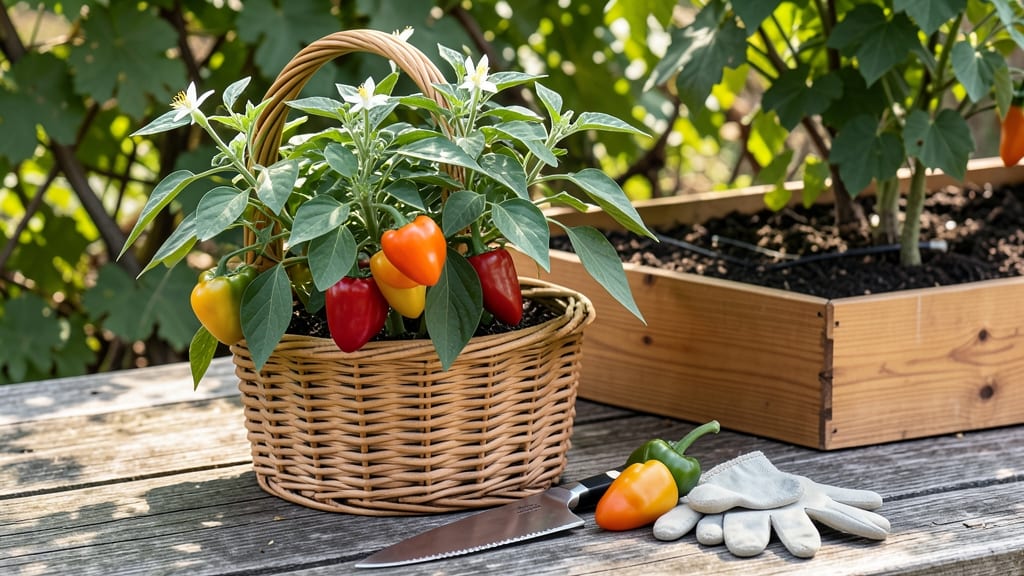
To pick garden salsa peppers at their peak, watch for vibrant color and firm texture—because waiting too long turns fiery flavor into bitter disappointment.
Harvesting salsa peppers 🌶️ at the wrong stage can turn your homemade salsa into a flavor disaster—too mild, too bitter, or even inedible. Timing is everything, and these vibrant peppers reveal their secrets through color, size, and texture.
In Zone 6a, your harvest window runs from July to October, but not all peppers ripen the same way. Green varieties like jalapeños need a crisp snap, while red or yellow habaneros should be fully colored before picking.
Miss the mark, and you’ll end up with underripe heat or overripe mush.
Below, I’ll break down the exact cues to look for—color charts, firmness tests, and even how to taste-test ripeness—so you never waste another pepper. Plus, storage tips to keep that perfect heat locked in for months.

Color-coded ripeness guide: when to harvest salsa peppers by variety
Picking salsa peppers at the right moment transforms your garden harvest from bland to explosive with flavor. Color isn't just about aesthetics—it signals heat levels, sweetness, and even texture. Green peppers pack more acidity, while fully mature reds develop deeper, sweeter notes.
Understanding these color cues ensures you capture peak ripeness for the perfect salsa, hot sauce, or fresh snack.
Don't assume all peppers follow the same rules. A jalapeño harvested red might be 3x hotter than its green counterpart, while a habanero loses potency if left too long on the vine.
Even the serrano, a favorite for salsa verde, needs precise timing to balance its signature tang. Let's break down the color-to-harvest timeline for your favorite varieties.
🌱 Visual Tip: Use the chart below as your quick-reference guide when scanning your pepper plants. Bookmark this for your next harvest season!
| Variety | Green Stage | Mature Color | Heat Level | Flavor Profile | Best For |
|---|---|---|---|---|---|
| Jalapeño | 2-3 inches, firm | Red | 2,500-8,000 SHU | Grassy, slightly sweet | Salsa roja, pickling |
| Serrano | 1-2 inches, glossy | Red/Orange | 10,000-23,000 SHU | Tangy, citrusy | Salsa verde, hot sauces |
| Habanero | 1.5-2 inches, waxy | Orange/Red | 100,000-350,000 SHU | Fruity, floral | Hot sauces, marinades |
| Cayenne | 3-4 inches, firm | Red | 30,000-50,000 SHU | Earthy, spicy | Powders, dried blends |
| Poblano | 3-4 inches, dark green | Red | 1,000-2,000 SHU | Mild, smoky | Stuffed peppers, salsa poblano |
Green peppers are often harvested early for tangy salsa verde, but waiting for color changes can unlock sweeter, fruitier flavors. For example, a jalapeño turns from grassy green to fruity red, while a poblano transforms into a deep, smoky red when fully ripe.
The heat level also shifts dramatically—green serranos are milder, but their orange-red siblings pack a punch.
Yellow and orange peppers often signal peak sweetness and are ideal for fresh eating or sweet-and-spicy salsas. My habanero plants produce the most
How to test pepper ripeness beyond color: texture, size, and heat indicators
Color alone isn’t always the best indicator of ripeness for salsa peppers. Some varieties like jalapeños or serranos can change color without reaching peak flavor, while others may turn bitter if left too long on the vine.
To avoid these pitfalls, focus on texture, size, and heat development—these three factors reveal when your peppers are truly ready for harvest.
Start by examining the size of your peppers. Most garden salsa varieties reach their ideal harvest window between 2 to 4 inches in length. For example, a jalapeño should be about 3 inches long and 1 inch wide, while a serrano might be slightly smaller but equally firm.
Always compare to the variety’s expected mature size listed on your seed packet.
Next, perform the firmness test. Gently squeeze the pepper—it should feel firm but slightly yielding, almost like a ripe avocado. If it’s too soft or mushy, it’s overripe.
Conversely, if it’s rock-hard, it’s not ready yet. This test is especially critical for heat development, as peppers often reach their spiciest levels just before full color change.
⚠️ Common Mistake: Harvesting by Color Alone
Don’t rely solely on color changes—some peppers (like habaneros) may turn red but still lack full heat potential. Instead, combine color, size, and firmness for accuracy. Overripe peppers lose flavor and become seedy and watery, ruining salsa recipes.
Pay attention to the stem separation. A ripe pepper’s stem should pluck away cleanly with a slight twist. If it resists or tears, the pepper isn’t ready. This is a key signal that the pepper has fully matured and is at its peak heat and sweetness.
For varieties like jalapeños, this often happens just as the color deepens.
Finally, consider heat development. Taste-test a small slice (if safe for your variety) to check for balanced heat and flavor. Some peppers, like serranos, develop more capsaicin—the compound responsible for heat—as they ripen.
If the pepper tastes too mild, it may need more time on the vine. Conversely, if it’s painfully hot, it might be overripe.
Harvest in the morning when temperatures are coolest to preserve flavor and texture. Use clean pruners or scissors to avoid damaging the plant. Store harvested peppers in a paper bag in the fridge for up to a week, or freeze them for long-term use.
This ensures your salsa always has the perfect heat and freshness.
By mastering these texture, size, and heat tests, you’ll never miss the ideal harvest window again—no more bland or bitter salsa peppers! 🌶️