
Tools
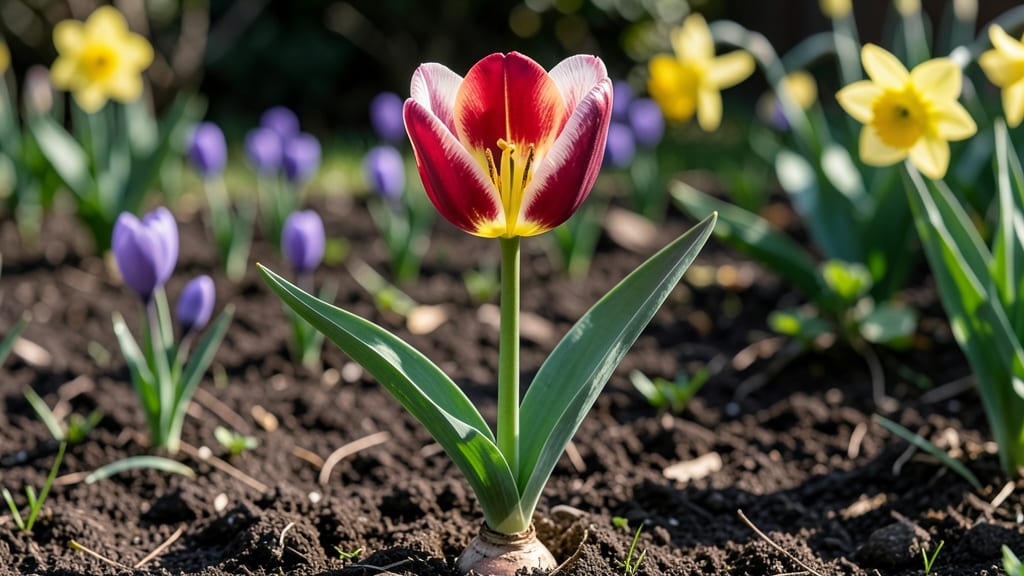
Understanding spring garden weather means timing plantings after your region's last average frost date, which shifts dramatically from early March in Zone 9 to late May in Zone 3.
Your local frost dates aren't just numbers—they're the difference between thriving plants and wasted effort. 🌱 In warmer southern zones, you might start cool-season crops like lettuce by mid-February, while northern gardeners wait until early June for tomatoes to safely go into the ground.
I always check my USDA zone map first, then verify with my local cooperative extension service for hyper-local adjustments. Even within the same zone, microclimates near lakes or hills can shift frost dates by weeks, so don't rely solely on general guidelines.
Pro tip: Use cold frames or row covers to extend your planting window in cooler zones. These simple tools can add 2-4 weeks of growing time for heat-loving plants like peppers and eggplants.
The key is balancing patience with opportunity—waiting too long risks shorter harvests, but starting too early can leave tender seedlings vulnerable to surprise frosts.
💡 In This Article
- How Frost Dates Impact Spring Planting Schedules
- Zone-Specific Spring Garden Prep Checklist
How frost dates impact spring planting schedules
Frost dates aren't just random calendar markers—they represent the biological threshold where most plants can survive. When temperatures drop below 28°F, even cold-hardy crops like kale or spinach suffer cell damage as ice crystals form in their tissues.
This process, called freeze injury, disrupts cell membranes and stops photosynthesis. In my Zone 5 garden, a late spring frost in May can turn tender tomato seedlings into crispy snacks overnight—something I learned the hard way after planting too early!
The USDA's frost risk maps calculate these dates based on 30-year climate averages, but real-world conditions vary. For example, Zone 7's last frost typically falls around April 15, but mountain areas in that zone might see frost until May 10.
This is why gardeners in areas like Denver or Asheville need to adjust their schedules. The National Weather Service's Frost/Freeze Forecast provides weekly updates that can shift planting windows by 1-2 weeks, depending on weather patterns.
Cool-season crops like broccoli and peas actually prefer cooler temperatures for germination, thriving when soil temps stay below 75°F. Warm-season plants like cucumbers and beans, however, stall below 50°F.
This is why I always start cool-season seeds indoors 6-8 weeks before the last frost, while waiting until soil warms to 60°F before planting tomatoes. The soil thermometer becomes my most reliable tool—never trust air temperature alone!
Here's where things get tricky: black frost (radiation frost) occurs on clear nights when heat escapes rapidly, while white frost (advection frost) brings cold air masses. Urban areas often experience heat islands that delay frost by 1-2 weeks compared to rural zones.
I've noticed my downtown raised beds stay frost-free 5 days longer than my backyard garden, even though we're in the same USDA zone.
For maximum success, I recommend this three-step approach: First, consult your USDA zone map to get a baseline. Second, check your local cooperative extension service for microclimate adjustments—they often have hyper-local frost data.
Finally, monitor weekly forecasts for the next 10 days before planting heat-sensitive crops. This layered approach has helped me extend my growing season by nearly 3 weeks in my Zone 6 garden.
Remember: The 10-day rule applies to most plants—waiting 10 days after your last average frost date gives a safety margin for those unexpected late frosts. In my experience, this extra patience prevents more heartbreak than any frost cloth ever could. 🌿