
Tools
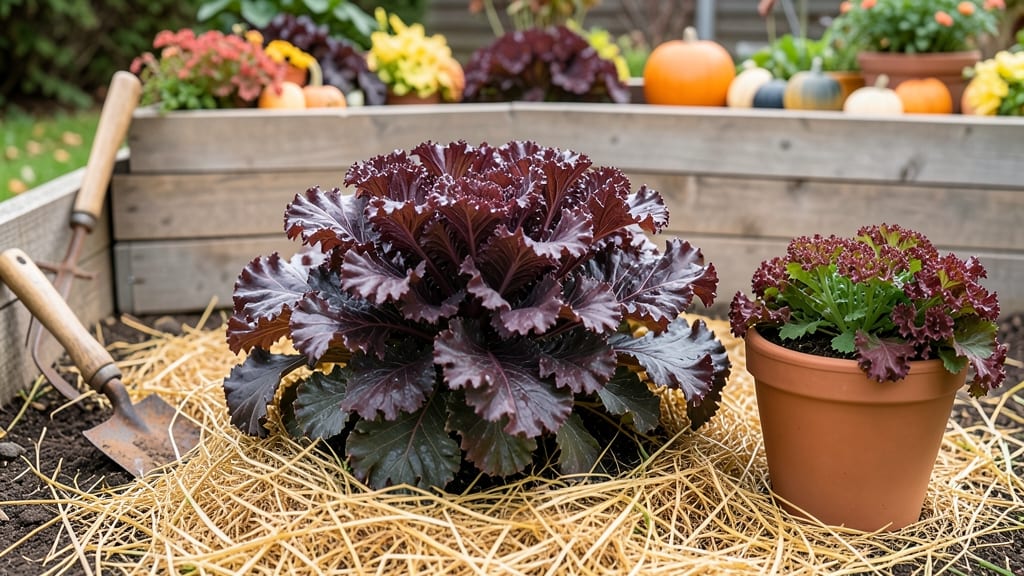
Planting a fall garden in Zone 8A starts after the first frost, usually around mid-October, with hardy crops like kale and broccoli lasting until late November. Check your local frost dates and soil temperatures to time your planting for the best harvest before winter.
Zone 8A's mild winters create a perfect window for fall gardening, but timing is everything. 🔥 The average first frost arrives between October 15-30, depending on elevation and microclimates—coastal areas often stay warmer longer.
I always test soil temperatures (aim for 50-60°F) before planting greens, as roots need consistent warmth to establish. This 6-8 week window after frost is your sweet spot for cool-season crops that sweet up in cold weather.
For maximum yield, I recommend planting broccoli and kale in early October, followed by spinach and lettuce in late October. The key is succession planting—sow new seeds every 2-3 weeks to stagger harvests.
Frost actually improves flavor in many greens, so don't rush to cover them unless temperatures drop below 25°F. A simple row cover extends the season by 2-4 weeks, giving you fresh harvests well into December.
💡 In This Article
- Zone 8A Frost Dates and Temperature Guidelines
- Best Fall Vegetables and Planting Schedule for Zone 8A Gardens
Zone 8A frost dates and temperature guidelines
Understanding frost timing in Zone 8A requires looking at both air and soil temperatures. The USDA defines Zone 8A as having average last frost dates between December 15-31 and first frost dates between October 15-30, but these are just averages.
Coastal areas like San Diego often experience first frosts in December, while inland valleys may see frost as early as October 15. The key difference lies in elevation—every 1,000 feet gain typically delays frost by 3-5 days.
Soil temperature is equally critical for fall planting success. Most cool-season crops thrive when soil stays between 50-60°F. Below 45°F, root development slows dramatically, while above 70°F, many greens bolt prematurely.
I've found that using a soil thermometer at 4-inch depth (where most roots grow) gives the most accurate reading. For example, broccoli seeds won't germinate below 40°F, while kale can tolerate soil temps down to 35°F.
This explains why some crops like Brussels sprouts need early October planting—they require 80-100 days to mature before winter chill sets in.
The science behind frost timing involves radiative cooling—clear nights with calm winds allow heat to escape rapidly. Urban areas often stay 5-10°F warmer than rural zones due to the "heat island" effect, creating microclimates where frost arrives later.
For precise timing, I recommend checking your local cooperative extension service for 30-year climate averages, then adjusting by ±5 days based on recent weather patterns. A simple frost cloth can push back hard freezes by 2-4°F, buying you extra weeks of harvest potential.
What most gardeners miss is how frost improves flavor in many crops. The cold converts starches to sugars in vegetables like carrots and beets—this is why homegrown winter squash tastes sweeter after frost.
However, temperatures below 25°F will damage most greens, while 28-32°F is the sweet spot for frost-tender varieties like spinach. The key is to plant succession crops every 2-3 weeks after your first frost date, ensuring you always have fresh growth emerging as older leaves mature.
Consider these regional variations when planning:
- Coastal Zone 8A (e.g., Los Angeles): First frost often arrives December 1-15
- Inland Valleys (e.g., San Joaquin Valley): First frost typically October 20-November 5
- Mountain Foothills (e.g., Santa Cruz Mountains): First frost can occur as early as October 1
For maximum success, I always recommend planting frost-sensitive crops like lettuce 4-6 weeks before your expected first frost date, while hardy greens like collards can handle planting until November 15.
The 60-day rule is my golden guideline: If a crop needs 60 days to mature, plant it 60 days before your average first frost date. This simple calculation eliminates guesswork and ensures you'll have harvestable crops before winter sets in permanently.