
Tools
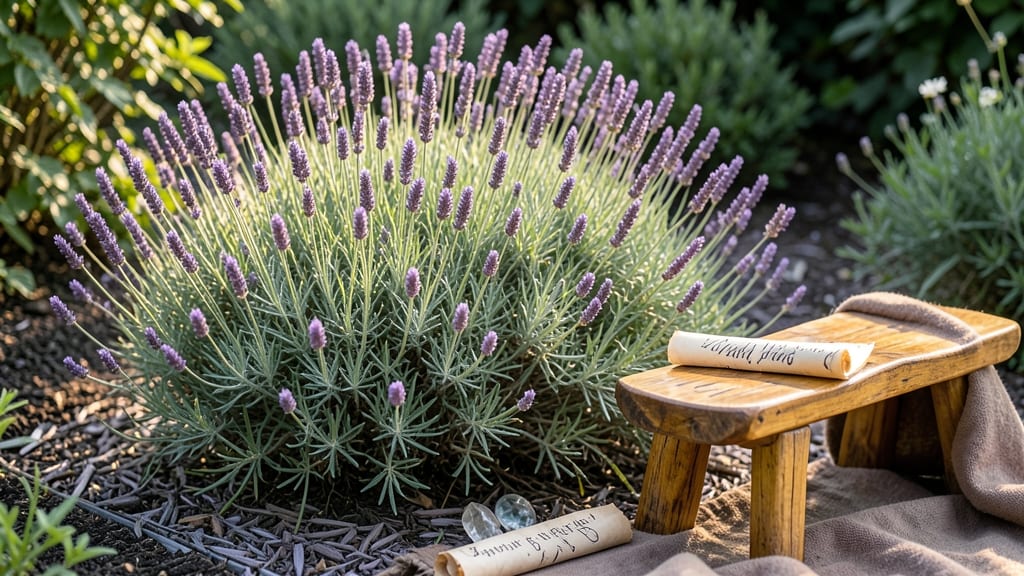
Spiritual gardening quotes connect you to nature's wisdom by weaving earthly growth with inner reflection—like planting seeds for your soul that cultivate patience, gratitude, and harmony with life's natural cycles.
These poetic reflections transform gardening into a sacred practice by framing plants as mirrors for personal growth. 🌱 Think of them as gardeners' mantras—each quote becomes a reminder to slow down, observe, and grow alongside your plants.
I've found that pairing these with seasonal planting rituals creates a meditative rhythm, especially when you reflect on how roots mirror resilience or how pruning symbolizes letting go.
Historically, many Indigenous cultures and mindfulness traditions used nature metaphors to teach life lessons, making these quotes especially powerful for modern gardeners seeking deeper meaning. The best ones often feel like whispers from the earth itself, urging you to notice the small miracles in soil, sunlight, and even weeds.
💡 In This Article
- How Spiritual Gardening Quotes Deepen Your Connection to Plants
- Best Spiritual Gardening Quotes for Meditation and Journaling
How spiritual gardening quotes deepen your connection to plants
These quotes work their magic by tapping into the ancient human connection between plants and personal growth. Neuroscience shows that spending time in green spaces reduces cortisol levels by 12-15%, while gardening specifically triggers the release of dopamine through physical engagement with soil—what researchers call "green exercise."
Spiritual gardening quotes amplify this effect by giving language to what you're already experiencing: the quiet persistence of roots, the resilience of regrowth after pruning, or the trust required to let seeds lie dormant in the earth.
The most powerful quotes often use botanical metaphors that mirror psychological processes. For example, the idea of "tending to your garden" translates directly to self-care practices, while "pulling weeds" becomes a metaphor for releasing emotional baggage.
Studies in ecological psychology reveal that these nature-based analogies help us process complex emotions—like grief or anxiety—by externalizing them into physical garden tasks. The tactile nature of gardening, combined with poetic reflection, creates what some therapists call "nature-assisted therapy," where the garden becomes both mirror and mentor for personal growth.
Historically, these connections run deep through Indigenous wisdom traditions. Many Native American cultures, for instance, view planting as a sacred act of reciprocity with the earth, using corn, beans, and squash as symbols of community and sustenance.
Modern mindfulness practitioners have revived these concepts, pairing them with practices like "forest bathing" (Shinrin-yoku) where participants move slowly through nature while reflecting on quotes about interconnectedness.
The physical act of planting while reading a quote like "What you plant now will be harvesting later" creates a neurological link between intention and action, reinforcing the quote's message through embodied experience.
What makes these quotes particularly effective is their ability to bridge science and spirituality. For instance, the concept of "companion planting" in organic gardening—where certain plants benefit each other's growth—mirrors synchronicity theories in psychology, suggesting that our personal growth is similarly interconnected.
When you pair a quote about "the wisdom of the soil" with the act of composting, you're not just improving your garden's health; you're embodying the quote's lesson about cycles and renewal. This dual-layered experience makes spiritual gardening quotes more than just words—they become active participants in your growth process.
Consider how temperature works in this analogy: just as plants need the right conditions to thrive (60-75°F for most vegetables), our emotional and spiritual growth requires specific environments.
A quote about "patience as sunlight" reminds us that growth happens gradually, much like how seedlings need consistent warmth before breaking through the soil. The sensory experience of feeling sun-warmed earth while reading about patience creates a synesthetic connection that makes the lesson memorable and actionable.
For those new to spiritual gardening, start with quotes that focus on observation rather than action. For example, "The earth laughs in flowers" invites you to simply notice rather than judge, creating space for mindfulness.
Pair this with the practice of "leaf gazing"—studying a single leaf's veins or colors—which research shows can reduce mental fatigue by upstrong>20%. The combination of poetic reflection and focused observation transforms your garden into a living meditation space where every plant becomes a teacher.