
Advice
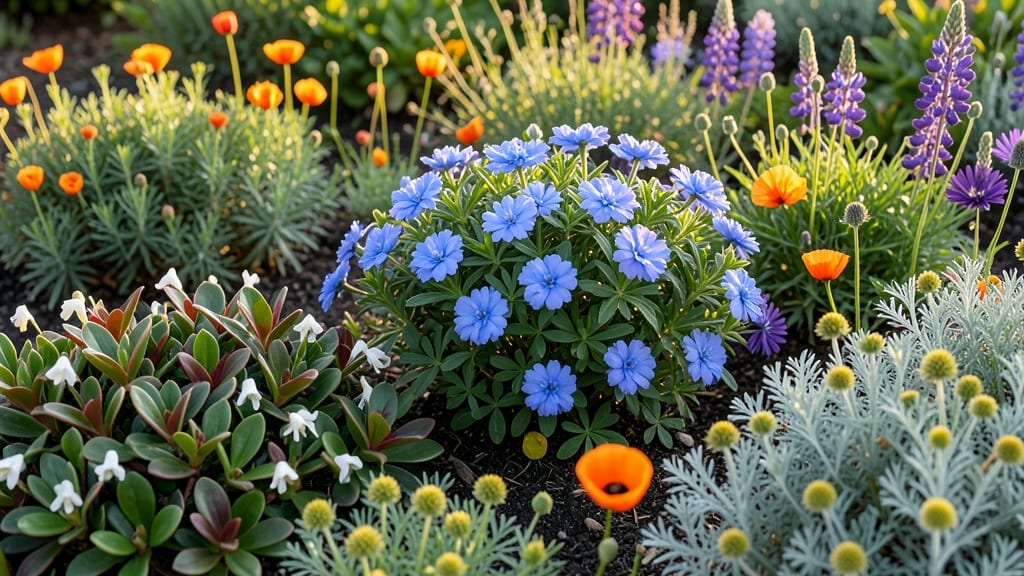
Gardening in Northern California thrives with Mediterranean climates—cool, wet winters and warm, dry summers—requiring drought-tolerant plants like lavender, ceanothus, and manzanita, while microclimates demand zone-specific adjustments for soil, water, and sunlight needs.
Northern California's diverse geography creates unique growing conditions that can vary dramatically even within short distances. 🌿 Coastal areas like San Francisco experience milder temperatures and higher humidity, while inland regions such as Sacramento face hotter summers and drier conditions.
These microclimates affect everything from frost dates to watering schedules—what thrives in a foggy coastal garden may struggle in the Central Valley's intense sun.
I've learned to match plants not just to the general region, but to the specific conditions of each garden spot, whether it's a sunny patio or a shady corner.
For example, coastal gardens can often support more moisture-loving natives like coyote brush, while valley gardens need California buckwheat that handles heat better. The key is observing your space for at least a season before making planting decisions—temperature swings and wind patterns can create unexpected challenges.
Many gardeners here swear by native plant nurseries for their region-specific knowledge and hardy selections that require less supplemental water once established.
💡 In This Article
- Northern California Microclimates Explained
- Top Drought-Resistant Plants for Northern California Gardens
Northern California microclimates explained
Northern California's gardening success hinges on understanding its three dominant microclimates: coastal, inland valley, and high-elevation zones. Coastal areas like San Francisco experience 50-60°F average annual temperatures with summer highs rarely exceeding 75°F, thanks to ocean breezes that create a cooling effect.
Inland regions such as Sacramento, however, can see summer temperatures soar to 95-105°F with intense sun exposure that demands shade-tolerant plants or afternoon watering. High-elevation areas above 3,000 feet (like parts of the Sierra foothills) experience cooler nights and earlier frost dates, creating a shorter growing season.
The Mediterranean climate pattern—wet winters and dry summers—creates dramatic seasonal shifts. Coastal areas receive 20-30 inches of rainfall annually, while inland regions get only 10-15 inches, requiring careful irrigation planning.
Frost risk varies dramatically: coastal areas might see 5-10 frost-free days per year, while inland valleys can experience 100+ frost-free days.
These variations explain why USDA Hardiness Zones 8-10 exist across Northern California—what thrives in Zone 9b Sacramento may struggle in Zone 10a coastal areas due to different temperature extremes and moisture availability.
Wind patterns add another layer of complexity. Coastal gardens often battle 20+ mph winds that dry soil quickly and stress plants, while inland areas face heat stress without wind relief.
I've noticed that even within a single city like Oakland, microclimates shift dramatically: the Berkeley hills get cooler and wetter than the flatlands near the bay.
This is why gardeners here swear by site-specific observations—planting what works in a neighbor's yard might fail in yours due to these subtle but critical differences. The solution? Start with a 30-day observation period to note your specific conditions before selecting plants.
Soil composition varies just as dramatically. Coastal areas often have sandy, acidic soils that drain quickly, while valley soils tend to be clay-heavy and alkaline. High-elevation areas may have well-draining volcanic soils.
These differences affect water retention and nutrient availability—coastal gardens might need organic matter amendments to improve water-holding capacity, while valley soils often require gypsum to break up compaction. The key is testing your soil before planting to understand its native characteristics and adjust accordingly.
Watering schedules must adapt to these microclimates. Coastal gardens might need deep watering every 5-7 days during summer, while inland areas require daily watering in peak heat. High-elevation gardens often benefit from morning watering to prevent evening evaporation.
I've found that drip irrigation systems with timers are the most efficient solution—they deliver water directly to roots where it's needed most, reducing waste from wind or evaporation. The 10-30-30 rule (watering for 10 minutes, 3 times a week) works well for most established plants in these zones.
Understanding these microclimates helps explain why some plants thrive where others fail. For example, manzanita and toyon love coastal conditions but may struggle in hot inland valleys without extra care. Meanwhile, California buckwheat handles valley heat beautifully but might get leggy in coastal shade.
The solution? Choose plants that match your specific microclimate's sun exposure, soil type, and moisture patterns. Native plant nurseries are your best resource—they understand these nuances and can recommend varieties that will flourish in your particular corner of Northern California.
Remember: what works in one microclimate might fail in another. The secret to successful gardening here is observation and adaptation. Start small, pay attention to how your plants respond, and adjust your approach based on what you learn from your unique growing conditions. 🌱