
Planting
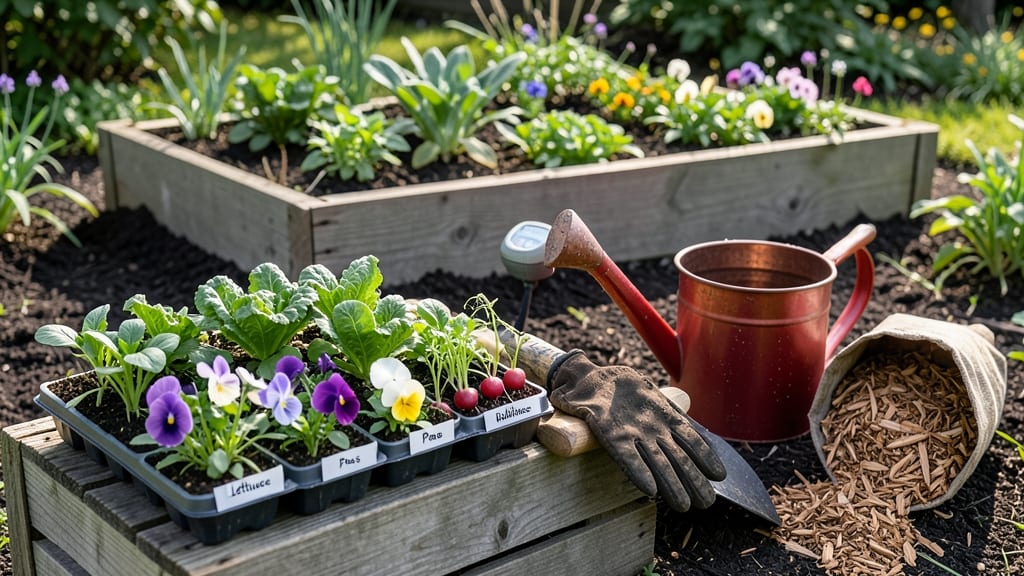
To plant a garden in your zone at the perfect time means avoiding the costly mistakes of planting too early or too late—timing is everything for a harvest you’ll actually enjoy.
Picture this: you’ve spent weeks preparing your soil, your seedlings are ready, and then—one unexpected frost wipes out everything. Or worse, you plant in the heat, and your greens bolt before you can harvest. These are the moments that make or break a gardener’s season.
Your USDA zone and last-frost date are the two most important numbers in your planting calendar. In Zone 6a, like many gardeners, that means waiting until after April 15 for most warm-season crops—but cooler-weather plants can go in as early as March.
The trick is knowing which plants thrive in the chilly shoulder seasons and which need the full heat of summer.
Below, I’ll break down the exact dates for your zone, how to adjust for early frosts or late springs, and the three key rules that keep my garden productive year after year—no guesswork, just results.
How to find your planting zone and exact dates by month
Planting your garden at the right time ensures strong growth and bountiful harvests. The first step is identifying your USDA Plant Hardiness Zone, which divides North America into 13 zones based on average annual minimum temperatures.
This zone determines your last frost date, a critical marker for planting schedules.
To find your zone, use the USDA Plant Hardiness Zone Map (available online) and enter your ZIP code. For example, I live in Zone 7b, where the average last frost date is around April 15.
This date becomes the foundation for calculating when to plant cool-season vs. warm-season crops.
Next, check your local frost-free growing season length—this tells you how many days you have between the last spring frost and first fall frost. In my zone, we have about 180 frost-free days, which helps me plan which plants to grow and when to start them indoors.
For cool-season crops like lettuce and peas, plant them 4-6 weeks before your last frost date. Warm-season crops, such as tomatoes and peppers, need to wait until 2 weeks after the last frost when soil temperatures reach at least 60°F.
Here’s a quick reference for calculating your planting windows:
Once you’ve identified your zone and frost dates, use these as your planting benchmarks. For instance, in Zone 6a, I plant cool-season crops like carrots in early April and switch to warm-season crops like beans in late May.
Always double-check local weather patterns, as microclimates can shift frost dates by weeks.
For warm-season crops, count backward from your first frost date to determine when to start seeds indoors. For example, tomatoes need 60-85 days to mature, so in Zone 6a, I start them indoors by March 15 to transplant after the last frost.
Don’t forget about fall planting! Many crops, like kale and radishes, thrive in cooler weather. Plant these 6-8 weeks before your first frost date. In my zone, that means seeding them by September 1 for a late fall harvest.
Use a garden journal to track your planting dates and outcomes. Over time, you’ll refine your schedule based on what works best in your unique climate. Adjust for early or late frosts by using row covers or choosing cold-hardy varieties.
With your zone and frost dates in hand, you’re ready to create a customized planting calendar tailored to your garden’s needs. Happy planting! 🌱
Best planting months for 10 most popular vegetables by zone
Planting your garden at the right time ensures healthy growth and bountiful harvests. Your USDA hardiness zone determines when to plant popular vegetables like tomatoes and lettuce, but even within zones, timing varies.
For example, cool-season crops like spinach thrive in early spring, while warm-season crops like peppers need summer heat. Let’s break down the best months for planting 10 favorite vegetables across Zones 3-10.
Most gardeners follow the rule of thumb: plant cool-season crops 4-6 weeks before the last frost date and warm-season crops 2-3 weeks after. However, zones 3-5 have shorter growing seasons than zones 8-10.
In Zone 3, for instance, you might start lettuce in early April, while in Zone 9, you could plant it year-round with minimal frost risk. Always check your local frost dates for precise timing.
Comparison Table: Best Planting Months by Zone