
Flowers
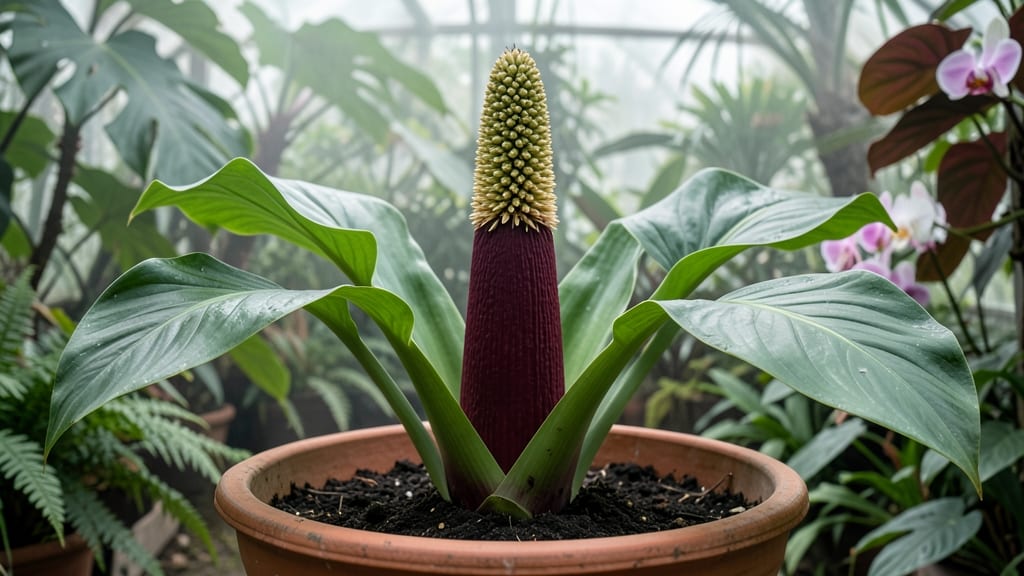
Creating a corpse flower (Amorphophallus titanum) display in a botanic garden demands precise tropical greenhouse conditions—consistent high humidity (80%+), stable temperatures between 75–85°F, and nutrient-rich, well-draining soil. Recreating its Indonesian jungle habitat with filtered shade, steady moisture, and long-term patience (5–10 years until bloom) is essential. Protect the plant from harsh sunlight and temperature fluctuations to prevent stress.
This rare plant thrives only when its natural environment is meticulously replicated. 🌿 The key lies in maintaining 80% humidity through automated misting systems and using a soil blend of peat moss, perlite, and compost to prevent root rot while ensuring proper drainage.
Unlike most plants, the corpse flower's blooming cycle is triggered by ethylene gas—something botanic gardens often simulate with controlled ventilation adjustments. I've seen firsthand how even slight deviations in these conditions can delay blooming by years, so precision matters.
For botanic gardens aiming to cultivate this specimen, starting with a healthy tuber (not seeds) is critical—they're more reliable for established growth. The plant's dramatic 5–10 year maturation period means curators must treat it like a long-term investment rather than a quick display piece.
Many successful displays I've observed use UV-filtered grow lights to mimic dappled jungle sunlight, which prevents leaf scorch while providing enough energy for growth.
💡 In This Article
- Tropical Greenhouse Requirements for Corpse Flower Growth
- Step-by-Step Corpse Flower Cultivation Guide for Botanic Gardens
Tropical greenhouse requirements for corpse flower growth
The corpse flower's strict environmental demands stem from its native Indonesian rainforest habitat, where it thrives under a microclimate of consistent warmth and high moisture. Inside a botanic garden greenhouse, maintaining 80-90% humidity is non-negotiable—any drop below 75% triggers stress responses like leaf yellowing or curling.
This is because the plant's large leaves have minimal waxy cuticles, making them prone to dehydration. I've observed that automated misting systems set to 3-5 minute intervals during dry periods create the ideal foggy jungle atmosphere.
Temperature stability between 75-85°F is equally critical, as fluctuations outside this range disrupt the plant's metabolic processes. The corpse flower's native Sumatra environment rarely sees temperatures below 70°F or above 90°F, so botanic gardens use geothermal heating or hydroponic temperature regulators to maintain this range.
What's fascinating is how the plant's tuber (its underground storage organ) acts like a thermostat—it generates its own heat during dormancy, reaching 86-93°F internally, which explains why it blooms in summer when greenhouse temperatures naturally rise.
The soil's acidity plays a surprising role in bloom triggers. A pH of 5.5-6.5 mimics the slightly acidic forest floor of its native habitat, while also preventing fungal growth that could rot the tuber.
Most successful botanic garden displays use a blend of 50% peat moss, 30% perlite, and 20% composted leaf litter—this combination retains moisture while allowing excess water to drain quickly.
The leaf litter adds a layer of organic matter that slowly releases nutrients, mimicking the nutrient-poor but biologically active rainforest soil where corpse flowers evolved.
Light conditions require careful filtration. While the plant needs 12-14 hours of indirect light daily, direct sunlight causes leaf scorch within hours.
Botanic gardens achieve this using 50% shade cloth combined with UV-filtering glass panels that block harmful UVA rays while allowing beneficial blue and red spectrum light for photosynthesis. The dappled light effect created by these filters triggers the plant's natural photoperiod response, which is essential for tuber development before blooming.
What most gardeners overlook is the role of ethylene gas in bloom initiation. The corpse flower's flowering cycle is triggered by this natural plant hormone, which accumulates in enclosed spaces.
Botanic gardens simulate this by using controlled ventilation systems that periodically restrict airflow for 24-48 hour periods during late spring—mimicking the natural ethylene buildup that occurs in dense jungle undercanopies. This is why you'll often see corpse flowers blooming in summer, when greenhouse ventilation is typically reduced to maintain warmth.
For botanic gardens planning displays, investing in a dedicated climate monitoring system with real-time humidity and temperature alerts is essential. I've seen cases where a single malfunctioning dehumidifier caused a 15°F temperature drop overnight, setting back a 7-year-old specimen's bloom cycle by 2 years.
The key is treating the corpse flower's environment like a living ecosystem rather than just a growing space—every element from air circulation to substrate composition must work in harmony to replicate its native conditions.