
Tools
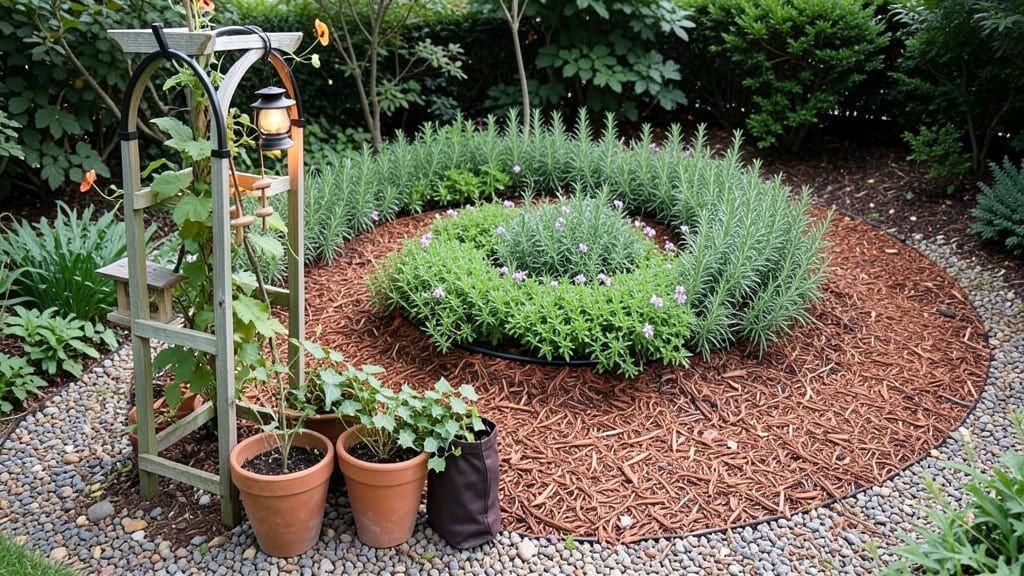
Small garden layout ideas maximize space by using vertical gardening, raised beds, and multi-functional zones like edible borders and tiered planters to create lush, productive areas without sacrificing style or usability.
Creating a stylish yet functional small garden starts with smart planning. Vertical gardening transforms walls into green canopies, while raised beds keep soil healthy and weeds at bay. 🌿 I’ve found that combining these with edible borders—like thyme or nasturtiums—adds both beauty and practicality.
The key is balancing aesthetics with utility, so every inch feels intentional and inviting.
For instance, a spiral herb garden fits perfectly in tight corners, while tiered planters let you grow more in less space. Many urban gardeners swear by pocket gardens—small, self-contained areas that double as seating or decorative accents. The goal? Make your garden feel spacious, even when square footage is limited.
💡 In This Article
- Design Principles for Compact Garden Spaces
- Top Space-Saving Garden Layouts for Different Needs
Design principles for compact garden spaces
At the heart of small garden design is the concept of layering by height—a technique inspired by forest ecosystems where sunlight reaches all levels.
Start with a tall focal point like a trellis (3-4 feet high) for climbing plants such as jasmine or pole beans, then add mid-height shrubs (18-24 inches) like rosemary or lavender, and finish with ground covers like creeping thyme or moss.
This creates visual depth, making a tiny space feel expansive while maximizing sunlight exposure for all plants. 🌿
The rule of thirds applies here too—divide your space into three equal zones: one for seating or pathways (using stepping stones or gravel), one for plants, and one for storage (like a small bench with hidden planters).
Pathways should be no wider than 2 feet to avoid wasting space; curved edges soften the look while guiding movement naturally. For example, a 2-foot-wide gravel path between raised beds creates accessibility without crowding plants.
Focal points like arbors, obelisks, or small pergolas (even DIY versions made from bamboo) draw the eye upward, creating an illusion of height. Place them near seating areas to frame views and add architectural interest.
The science behind this is visual psychology—our brains perceive vertical space as more open than horizontal space, so even a 6-foot-tall trellis can make a 4x4-foot garden feel roomy. 💫
Don’t overlook multi-functional elements—like a raised bed with built-in seating (using cinder blocks or pallets) or a pocket garden that doubles as a side table. These hybrid designs eliminate wasted corners while serving dual purposes.
For instance, a 12-inch-deep planter along a fence can hold herbs and succulents while providing a stylish border. The key is to prioritize versatility over single-purpose features.
Lighting plays a subtle but powerful role in small gardens. Solar-powered string lights (hung at varying heights) add warmth and extend usability into evenings, while uplighting (placed at the base of tall plants) accentuates vertical growth.
This technique, called scaping, uses light to create the illusion of more space—similar to how interior designers use mirrors to expand rooms. 🌟
Finally, edible borders—like nasturtiums or chives—blend beauty with utility. They grow well in narrow strips (6-12 inches wide) along pathways or between pavers, adding color and harvestable greens without demanding extra space. The result? A garden that’s both productive and polished, with every plant serving a purpose. ✨