
Tools
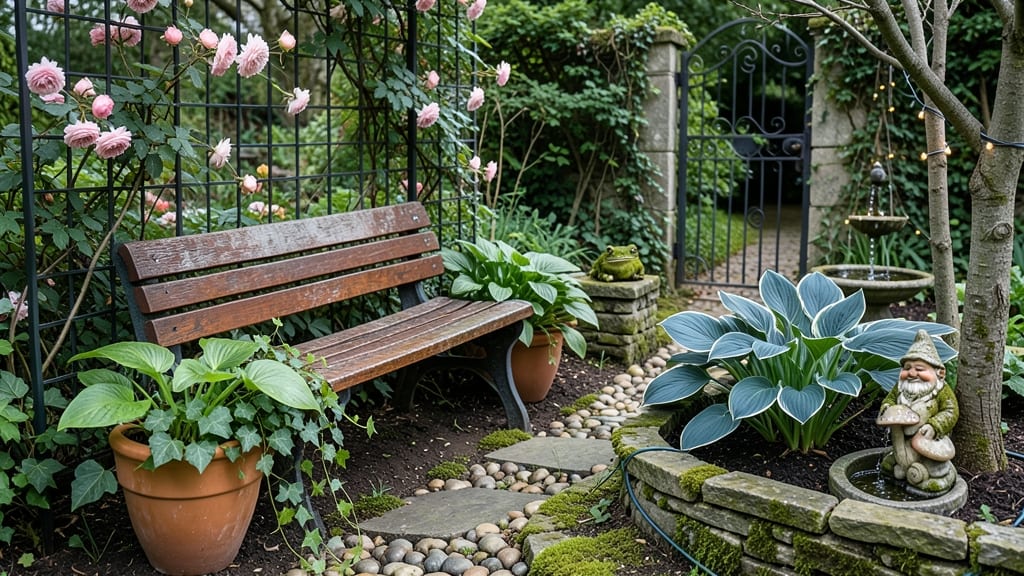
Seattle’s secret gardens offer hidden oases like Volunteer Park Conservatory, Discovery Park’s native meadows, and Kubota Garden’s serene Japanese-inspired spaces, where rare plants thrive in the Pacific Northwest’s unique climate zones.
Seattle’s secret gardens aren’t just pretty—they’re living laboratories where microclimates dictate what grows best. 🌿 The city’s mix of coastal fog, urban heat islands, and rain shadows creates pockets where tropical plants coexist with hardy natives.
For example, Volunteer Park’s conservatory nurtures orchids that would wilt in most of the city, while Discovery Park’s wind-swept meadows showcase salt-tolerant grasses. These hidden spots prove that Seattle’s plant diversity isn’t just luck—it’s science.
What makes these gardens special is their curated plant collections. Volunteer Park’s rhododendrons bloom in spectacular waves each spring, while Kubota Garden’s maple alleys create stunning autumn displays. Even lesser-known spots like Washington Park Arboretum’s hidden groves offer quiet escapes with rare ferns and drought-resistant succulents.
Each location tells a story of how Seattle’s climate shapes its green spaces.
💡 In This Article
- How Seattle’s Microclimates Shape Hidden Garden Plantings
- Best Secret Gardens in Seattle for Plant Lovers
How Seattle’s microclimates shape hidden garden plantings
Seattle’s secret gardens thrive because they’re strategically planted to exploit the city’s dramatic microclimates—tiny weather variations that create distinct growing conditions within just a few blocks. 🌧️ The Pacific Northwest’s famous rainfall (about 38 inches annually) gets distributed unevenly: Volunteer Park’s conservatory, for instance, receives 40% more moisture than nearby neighborhoods due to its elevated position and lack of urban runoff.
This allows tropical plants like Cattleya orchids (native to South America) to flourish in its humid, glass-enclosed environment, where temperatures hover around 75-80°F year-round—warmer than Seattle’s average 52°F.
The soil composition plays an equally crucial role. Discovery Park’s native meadows sit on sandy, well-drained soil perfect for coastal prairie grasses like Pacific reedgrass, which thrives in the high-salinity winds blowing off Puget Sound.
Meanwhile, Kubota Garden’s Japanese-inspired spaces use imported volcanic soil from Japan to mimic the acidity levels (pH 5.5-6.5) needed for azaleas and camellias. The garden’s stone pathways also help regulate temperature swings—critical for protecting delicate plants from Seattle’s sudden 10°F temperature drops between day and night.
Designers select plants based on three key factors: light exposure, wind patterns, and seasonal extremes. Volunteer Park’s conservatory uses shade-loving plants like ferns and calatheas because its north-facing windows create low-light conditions.
In contrast, Washington Park Arboretum’s hidden groves feature sun-loving rhododendrons that bloom spectacularly in March-April when Seattle’s 12 hours of daylight combine with 50°F temperatures—ideal for photosynthesis. The wind patterns matter too: Discovery Park’s exposed location means only wind-resistant plants like beach strawberries and sea thrift survive.
What most visitors don’t realize is how these microclimates create seasonal plant waves. Kubota Garden’s cherry blossoms peak in late April when the garden’s microclimate warms 3°F faster than downtown Seattle.
Meanwhile, Volunteer Park’s Christmas cactus (yes, it grows here!) blooms in December because its conservatory maintains consistent humidity—something rare in Seattle’s dry winter air. These carefully curated plantings aren’t just decorative; they’re climate solutions that prove Seattle’s gardens can thrive despite its unpredictable weather.
For plant lovers, understanding these microclimates reveals why some gardens feel like miniature ecosystems. The Volunteer Park Conservatory’s tropical section mimics the humidity of a rainforest, while Discovery Park’s coastal garden feels like a windswept dune.
Even the Japanese maples in Kubota Garden are chosen for their ability to tolerate both drought and soggy soil—a rare dual adaptability that mirrors Seattle’s wet winters and dry summers. This level of precision planting is what makes these secret gardens so special.
The science behind it all comes down to plant hardiness zones and site-specific conditions. While Seattle falls in USDA Zone 8a, these gardens push boundaries by creating micro-zones that support plants from Zone 10 (tropical) to Zone 4 (hardy) within the same city.
It’s a masterclass in adaptive horticulture—and it’s all happening in plain sight if you know where to look.