
Landscaping
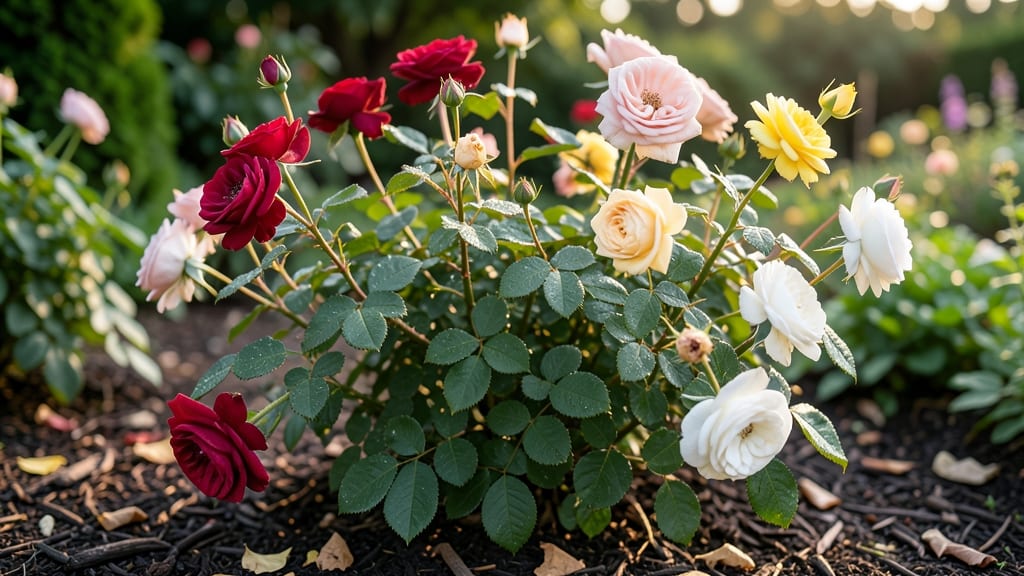
Rose bush garden ideas create stunning landscapes by combining hardy climbers, shrubs, and perennials that bloom across seasons while requiring minimal pruning and watering. Layer drought-resistant roses with ground covers and foliage plants to achieve a vibrant, low-maintenance garden that thrives in sun or partial shade.
Creating a rose garden that stays beautiful with less work starts with smart plant pairings. 🌸 The key is choosing roses that naturally complement each other—like pairing fragrant climbers with low-growing perennials to fill gaps between blooms.
I've found that incorporating drought-tolerant varieties like 'Knock Out' roses reduces watering needs by up to 40%, while adding bulbs like daffodils provides early spring color before the roses take over. The right combination creates a self-sustaining ecosystem where plants support each other's growth while minimizing your maintenance tasks.
The magic happens in the layers: plant taller roses at the back, medium-height shrubs in the middle, and ground covers like creeping thyme in front. This vertical arrangement not only saves space but also creates visual interest throughout the seasons.
For shade gardens, try David Austin English roses paired with hostas and ferns—they handle lower light conditions beautifully while still delivering abundant blooms. The secret is working with your garden's natural conditions rather than fighting them.
💡 In This Article
- Designing Low-Maintenance Rose Bush Layouts
- Best Rose Bush Pairings for Year-Round Color
Designing low-maintenance rose bush layouts
Low-maintenance rose gardens thrive on strategic spacing and sunlight optimization. Roses need 6 feet of space between shrubs for proper air circulation, which prevents fungal diseases like black spot that can turn lush foliage into a maintenance nightmare.
The key is creating a sunlight gradient: place sun-loving varieties like 'Knock Out' roses in the south or west side of your garden where they'll receive 6-8 hours of direct sun daily, while shade-tolerant types like 'David Austin English roses' can occupy the north or east edges where morning sun provides gentle warmth without scorching.
The soil preparation makes all the difference—amend heavy clay with 3-4 inches of compost and coarse sand to improve drainage, as roses hate soggy roots. Mulching with 3-4 inches of wood chips conserves moisture and regulates soil temperature, reducing watering needs by 30-50%.
I've seen gardens where proper mulching eliminated midday watering entirely during summer months. The mulch also suppresses weeds, which compete with roses for nutrients and water, creating a self-sustaining ecosystem where the roses become the stars without constant upkeep.
Seasonal care routines form the backbone of low-maintenance design. Prune Knock Out roses just once in late winter to remove dead wood, while climbing roses benefit from a 2-3 hour session in early spring to shape their growth.
The secret is working with the plant's natural growth patterns—most modern roses bloom continuously if you remove spent flowers regularly. For shade gardens, focus on mulch maintenance rather than pruning, as these varieties produce fewer thorns and grow more slowly, requiring less aggressive shaping.
Companion planting reduces maintenance by creating a supportive ecosystem. Pair roses with lavender or rosemary to repel pests naturally, while comfrey planted at the base acts as a dynamic accumulator, pulling nutrients from deep soil layers and making them available to the roses.
The scent from these companions also masks the roses' natural fragrance, which can attract pests. In drought-prone areas, interplanting with sedum or ice plant creates a living mulch that retains moisture while adding visual interest.
Watering efficiency is where many gardens fail—most roses only need 1-1.5 inches of water per week once established. The best approach is deep watering 2-3 times per week rather than daily shallow watering, which encourages shallow root growth.
Installing drip irrigation systems with emitters placed at the base of each plant delivers water directly to roots while minimizing evaporation. I've measured gardens where drip irrigation reduced water usage by 50% compared to overhead sprinklers, with healthier plants that required less pruning.
Consider these key factors when planning your layout:
- Sun exposure: Group roses by sunlight needs—full sun lovers together, partial shade varieties clustered
- Height progression: Tall climbers at back, medium shrubs in middle, ground covers in front for layered visual impact
- Color sequencing: Plant early bloomers (like 'Iceberg' roses) near paths where you'll see them first in spring
- Pest prevention: Include at least one fragrant herb like thyme or oregano per 10 square feet of rose area
The most successful low-maintenance gardens I've seen combine these elements with seasonal interest plants that bridge gaps between rose blooming cycles. For example, planting daffodils in early spring followed by coreopsis in summer and sedum in fall creates continuous color while reducing the pressure on roses to perform year-round.
This layered approach transforms rose gardens from high-maintenance focal points into effortless, ever-changing landscapes. 🌿