
Tools
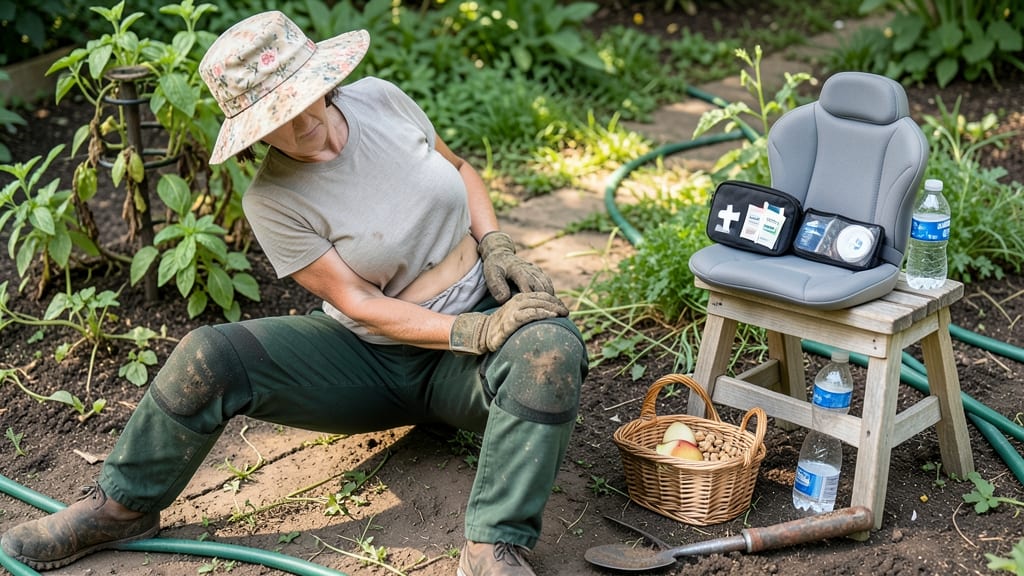
Treating lower back pain after gardening starts with gentle stretches like the cat-cow or knee-to-chest to relieve tension, followed by 15-20 minutes of heat therapy using a warm towel or heating pad. Rest and proper posture during gardening can prevent flare-ups.
When you're dealing with lower back pain from gardening, the key is addressing both immediate discomfort and long-term prevention. 🌿 The cat-cow stretch helps mobilize your spine by gently arching and rounding your back, while the knee-to-chest pose releases tension in the lumbar area.
Heat therapy works by increasing blood flow to the sore muscles, which speeds up healing and reduces stiffness. I've found that combining these methods with short breaks during gardening sessions can make a noticeable difference.
Additionally, using ergonomic tools like long-handled weeders or knee pads can significantly reduce strain on your lower back.
If pain persists after trying these methods, consider modifying your gardening routine to avoid prolonged bending or heavy lifting. 💫 For example, breaking tasks into smaller intervals or using raised garden beds can help maintain better posture and reduce the risk of flare-ups.
Always listen to your body—pushing through pain often leads to more severe issues down the line.
💡 In This Article
- How Gardening Triggers Lower Back Pain
- Best Immediate Relief Techniques for Gardeners
How gardening triggers lower back pain
The lumbar spine is designed to handle movement, but gardening's repetitive motions create a perfect storm for strain. When you bend forward to weed or dig, your lower back muscles—like the erector spinae—contract to stabilize your spine, while the psoas and hip flexors shorten from the forward lean.
This creates a muscle imbalance where overworked muscles fatigue faster than they recover. Studies show that prolonged bending at 45-60 degrees increases spinal compression by up to 75%, putting immense pressure on lumbar discs.
Twisting motions—like turning to reach for tools—are even riskier. Each twist can generate 3,300 newtons of force on your spine, equivalent to lifting a 335-pound weight while bent over.
The lumbar facet joints (small shock absorbers in your lower back) bear the brunt, leading to inflammation when these movements repeat hourly. Even "light" tasks like deadheading flowers require repetitive micro-movements that cause tiny tears in muscle fibers, a process called microtrauma, which accumulates over time.
Poor ergonomics make matters worse. Most gardeners use tools that force awkward postures—like reaching too far for a trowel or gripping a rake with bent wrists. This triggers referred pain from your lower back into your legs (sciatica-like symptoms) when nerves get pinched.
The sacroiliac joints (where your spine meets your pelvis) also bear extra weight when you stand on one leg to prune or kneel asymmetrically. Even sitting on a hard surface (like a plastic stool) can compress your lower back by 20-30% compared to standing with proper posture.
Heat and humidity play a hidden role too. On 80°F+ days, muscles already working hard become 20% less efficient due to dehydration and electrolyte loss. The multifidus muscles (deep stabilizers in your lower back) weaken faster when overheated, reducing their ability to protect your spine during sudden movements.
That's why gardeners often feel stiffer in the afternoon—their bodies are fighting dehydration while compensating for poor mechanics.
Consider this: A 2018 study in the Journal of Occupational Rehabilitation found that gardeners experience 3x more lower back injuries than office workers, even though gardening isn't classified as "heavy labor." The difference?
Gardening combines static postures (like kneeling), dynamic movements (digging), and vibration (from tools like hedge trimmers), creating a unique biomechanical challenge. Your back isn't built for 60 minutes of sustained bending—it's designed for short bursts of movement followed by recovery.
Here's what's actually happening when you feel that sharp pain after gardening: Your proprioceptors (nerve endings that sense position) get overwhelmed by the constant shifting of your center of gravity.
When you stand up too quickly from bending, your lumbar spine can't stabilize fast enough, causing a spasm as your body's protective reflex kicks in. This is your nervous system's way of saying, "Slow down—you're pushing past safe limits!" 💫