
Plants
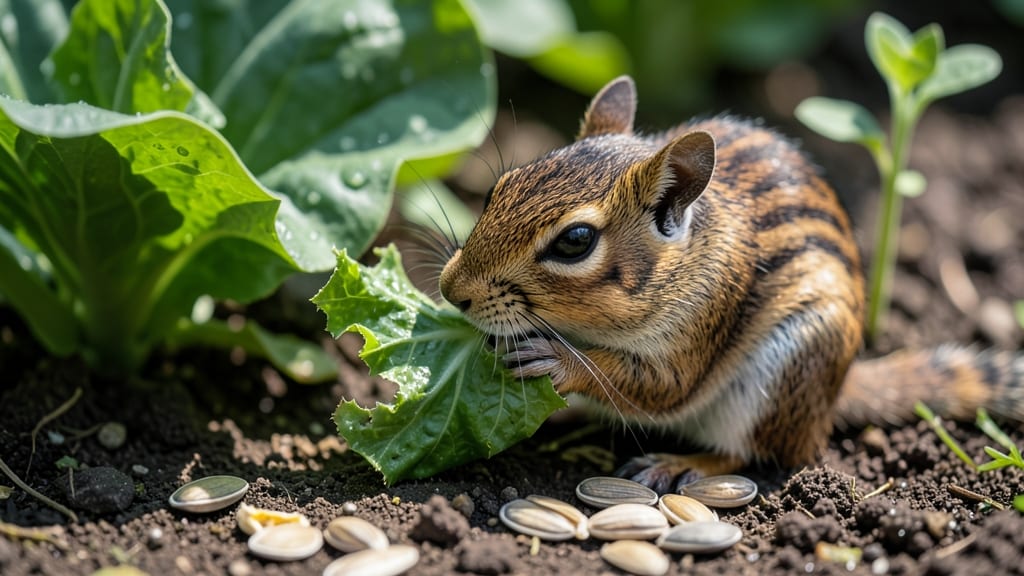
Chipmunks eat garden plants aggressively, targeting seeds, bulbs, fruits, and vegetables like tomatoes, beans, and lettuce. Their foraging habits can devastate young seedlings and stored harvests, especially in spring and fall when food is scarce.
These small rodents are notorious for their relentless appetite, especially when natural food sources dwindle. 🌱 Chipmunks prefer tender young shoots, ripe fruits, and freshly planted seeds because they're packed with easy-to-digest nutrients.
Their burrowing habits also create additional damage by uprooting shallow-rooted plants, making them a persistent challenge for gardeners.
What makes them particularly troublesome is their ability to adapt—once they discover a food source, they'll return repeatedly. This behavior peaks during early spring and late fall when other food options are limited, so proactive measures during these seasons are crucial for protecting your garden.
💡 In This Article
- Chipmunk Diet: What Garden Plants Are Most Vulnerable?
- Effective Chipmunk Deterrents for Garden Protection
Chipmunk diet: what garden plants are most vulnerable?
Chipmunks are opportunistic foragers with a diet heavily influenced by carbohydrate-rich foods, making garden plants their prime target. Their natural preference leans toward seeds—especially sunflower, corn, and squash seeds—which contain high-energy fats and proteins.
A single chipmunk can consume up to 30-40 seeds per day, often burying excess for later, which disrupts germination and seedling growth. 🌱
Their sharp incisors allow them to gnaw through bulbs and tubers like tulips, daffodils, and potatoes with ease, leaving behind jagged holes. Studies show chipmunks can strip an entire bulb garden in just 2-3 days during peak foraging seasons.
Soft vegetables such as lettuce, spinach, and peas are also vulnerable because their tender leaves provide quick, nutrient-dense meals without requiring much chewing effort.
Fruits like tomatoes, berries, and melons are particularly tempting due to their natural sugars, which chipmunks crave for rapid energy. A mature tomato plant can lose 30-50% of its fruit yield if chipmunks have unobstructed access.
The rodents' burrowing habits further compound the damage—they dig shallow tunnels (typically 4-6 inches deep) to access roots or hidden seeds, often collapsing plant stems in the process.
Seasonal behavior plays a critical role in their destructive patterns. In spring, chipmunks emerge from hibernation with a voracious appetite after months without food, while fall offers abundant seed sources before winter.
Their foraging efficiency is remarkable: a single chipmunk can process 1-2 pounds of plant material weekly, making them one of the most persistent garden pests for homeowners.
What sets chipmunks apart from other rodents is their dual foraging strategy: they both eat and cache food. Unlike squirrels, which primarily bury nuts, chipmunks scatter seeds and bulbs across their territory, creating a multi-season threat24-48 hours of a successful raid.
Understanding these patterns helps gardeners anticipate and mitigate damage. For example, planting hard-shelled seeds (like sunflower seeds in mesh bags) or using raised beds with wire mesh barriers can significantly reduce losses.
The key is disrupting their access to both food and shelter—because once they find an easy meal, they'll exploit it relentlessly. 💫