
Flowers
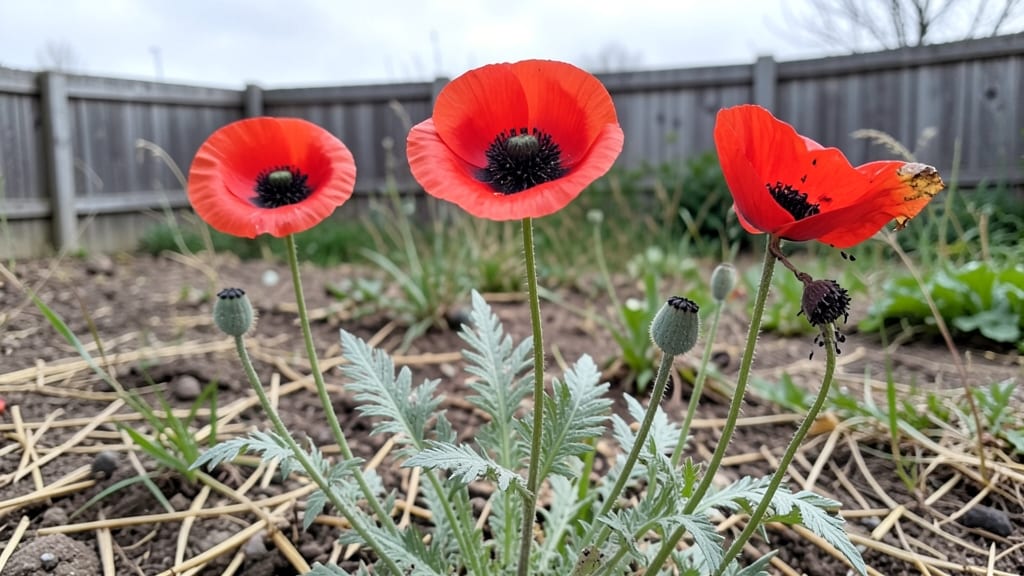
Growing poppies in your garden brings a burst of bold color that brightens every spring landscape with minimal fuss.
Imagine transforming your garden into a vibrant, dreamy landscape with minimal effort—poppy seeds deliver breathtaking color in just weeks, making them the ultimate fast-growing annual for effortless beauty. These delicate 🌸 blooms thrive in USDA Zone 6a and beyond, turning even the simplest patch of soil into a showstopper.
What makes poppies so special is their ability to self-seed, ensuring year-after-year blooms with almost no maintenance. Whether you're a seasoned gardener or a beginner, these hardy flowers adapt to most soil types and require surprisingly little care once planted.
In this guide, you'll discover the best planting times for your region, simple soil prep tips, and how to coax those iconic poppy faces to open in just 60 days. Let’s get your garden glowing with effortless charm!
How to plant and grow poppy seeds for maximum color impact
Poppies are one of the easiest fast-growing annuals to transform your garden into a vibrant dreamland with minimal effort. Their delicate papery petals and bold colors bloom in just 60-90 days, making them perfect for spring and summer gardens.
Whether you're planting California poppies or oriental poppies, following a few key steps ensures your poppies thrive and deliver maximum color impact all season long.
The secret to growing healthy poppies lies in understanding their natural growing habits. Unlike many flowers, poppies hate being transplanted, so direct sowing is ideal. They also prefer well-draining soil and full sun exposure, which helps prevent common issues like rot or weak stems.
With the right approach, you’ll enjoy stunning blooms that attract pollinators and add height to your garden beds.
Step-by-Step Guide to Planting Poppy Seeds
- Choose the Right Time: Plant poppy seeds after the last frost (typically March-April in most USDA Zone 6a regions). This ensures warm soil and no frost damage to delicate seedlings.
- Prepare the Soil: Poppies thrive in sandy, well-draining soil. Mix in compost or sand if your soil is heavy or clay-like to prevent root rot. Avoid over-fertilizing—poppies prefer lean soil.
- Sow Seeds Directly: Scatter seeds 1/4 inch deep and 6-12 inches apart (check variety spacing). Lightly cover with soil and do not disturb after planting—poppies need light to germinate.
- Water Gently: Keep soil moist but not soggy until germination (usually 7-14 days). Use a fine mist or watering can to avoid displacing seeds. Once established, reduce watering to once a week.
- Provide Full Sun: Poppies need 6+ hours of direct sunlight daily. A south-facing spot is ideal. In hot climates, afternoon shade helps prevent wilting.
- Minimize Fertilizer: Poppies grow best with minimal fertilizer. Apply a light 5-10-10 feed once in early spring, but avoid overfeeding—it leads to leafy growth over blooms.
- Deadhead for Longer Blooms: Remove spent blooms regularly to encourage continuous flowering. This prevents the plant from self-seeding excessively and redirects energy to new flowers.
- Watch for Pests: Poppies are generally pest-resistant, but keep an eye out for slugs or aphids. Handpick pests or use neem oil if needed.
One of the biggest poppy-growing myths is that they require constant care. In reality, overwatering and rich soil are the top culprits behind poor blooms. Poppies are drought-tolerant once established, so let the soil dry out between waterings. This natural resilience makes them perfect for low-maintenance gardens.
For maximum color impact, consider planting poppies in groups or drifts. This creates a wavy, natural effect that mimics wildflower meadows. Pair them with low-growing perennials like lavender or thyme to frame their tall, delicate stems.
Their bright blooms also contrast beautifully with dark foliage, such as purple basil or black mondo grass.
If you’re growing poppies in containers, choose large pots (at least 12 inches deep) with drainage holes. Use a lightweight potting mix and plant 3-5 seeds per pot for a fuller look.
Keep containers in a sunny spot and water every 5-7 days, as potted poppies dry out faster than in-ground plants.
Poppies also make excellent cut flowers. Harvest blooms in the early morning when dew is present for the longest vase life. Cut stems at a 45-degree angle and place them in cool water to extend their freshness.
Their unique shapes add drama to bouquets, especially when mixed with delicate greenery like eucalyptus or ferns.
To ensure your poppies return year after year, let some seed pods mature and drop naturally. These will self-seed in the following season, creating naturalized patches of color. However, be mindful—poppies can spread aggressively in ideal conditions, so thin seedlings in spring if needed.
With these simple steps, your garden will burst into vibrant color in just a few months. Poppies are a rewarding choice for both beginner and experienced gardeners, offering effortless beauty with minimal upkeep. Happy planting! 🌸
Best poppy seed varieties for different garden styles and climates
Choosing the right poppy varieties can transform your garden from ordinary to extraordinary. Each type offers unique heights, colors, and bloom times that suit different climates and design aesthetics. Whether you're creating a wildflower meadow or a structured cottage garden, the perfect poppy will elevate your space with minimal effort.
I’ve grown three standout varieties in my own garden—California poppies, oriental poppies, and Icelandic poppies—each thriving in different conditions. Let’s compare them so you can pick the best fit for your garden style and climate zone.
California poppies are my go-to for drought-prone areas like the Southwest or Mediterranean climates. Their bright orange and yellow blooms create a golden carpet in spring, and they thrive with almost no water once established. Plant them in well-draining soil and watch them spread effortlessly.
For a more dramatic, cottage-garden look, oriental poppies are unbeatable. These tall, boldly colored flowers add height and texture to borders, and their late-spring blooms extend the season. Just ensure they get full sun and consistent moisture during their growing phase.
Icelandic poppies are perfect for small spaces like rock gardens or containers. Their delicate cup-shaped blooms last from summer into fall, making them ideal for cool climates where other poppies might struggle. They’re also self-seeding, so they’ll return year after year with minimal care.
No matter which variety you choose, poppies bring instant color and joy to any garden. Mix them with lavender or salvia for a low-maintenance, pollinator-friendly display that will have your neighbors asking for tips!