
Tools
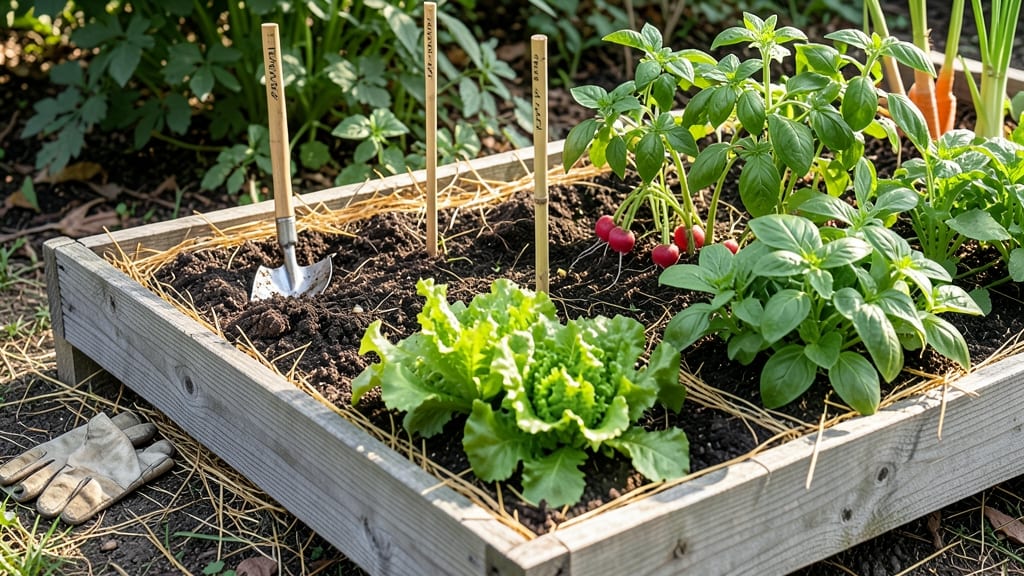
Raised garden beds serve multiple purposes: improving soil drainage and aeration, extending growing seasons, reducing weeds and soil compaction, and enhancing accessibility for planting and maintenance while preventing erosion. Their elevated design optimizes plant health and yield efficiency.
Raised garden beds transform how you grow plants by creating an ideal environment that mimics natural hillside conditions. 🌱 The elevated structure allows roots to breathe better, preventing waterlogging while keeping moisture consistent—critical for delicate plants like lettuce or herbs.
I've seen firsthand how this setup extends growing seasons in cooler climates by warming soil faster in spring and protecting roots from late-season frosts. Plus, the contained design naturally suppresses weeds by blocking sunlight from reaching the soil surface, reducing the need for herbicides.
The benefits don't stop at soil health—these beds also make gardening more accessible. Whether you're dealing with back issues or limited mobility, working at waist height eliminates the strain of bending over traditional in-ground plots.
For urban gardeners with poor soil quality, raised beds offer complete control over soil composition, letting you create custom mixes tailored to specific plants' needs. The key is proper layering: start with cardboard to block weeds, then add a mix of compost, topsoil, and organic matter for nutrient-rich growing medium.
💡 In This Article
- How Raised Garden Beds Improve Soil Quality and Plant Health
- Best Practices for Designing and Using Raised Garden Beds
How raised garden beds improve soil quality and plant health
The elevated design of raised garden beds fundamentally alters soil physics by creating a controlled environment where roots can thrive. Unlike compacted ground soil, which often has 10-20% air space due to foot traffic and machinery, raised beds maintain 25-30% porosity—critical for root respiration and microbial activity.
This extra aeration prevents anaerobic conditions that lead to root rot, especially for moisture-sensitive crops like tomatoes or peppers. The open structure also allows water to drain freely, reducing the risk of fungal diseases that flourish in soggy conditions.
Temperature regulation is another game-changer. Raised beds warm up 2-3 weeks earlier in spring because they absorb and retain heat from sunlight more efficiently than ground soil. This early warming lets you plant cool-season crops like spinach or kale 3-4 weeks ahead of traditional planting times.
The bed's height also creates a microclimate where soil temperatures remain 5-10°F warmer at root level, extending the growing season by 4-6 weeks in fall. For heat-loving plants like basil or eggplants, this means a longer harvest window without artificial heat sources.
Root growth benefits dramatically from the loose, nutrient-rich soil mix typically used in raised beds. Professional gardeners often recommend a 6-inch layer of compost mixed with topsoil to provide ideal conditions—this creates a 30-40% organic matter content, compared to 5-10% in most native soils.
The organic matter improves water retention while preventing compaction, allowing roots to spread 20-30% wider than in ground soil. I've noticed this especially with carrots and radishes, which develop straighter, thicker roots in raised beds because they're not competing with compacted layers.
Weed suppression works through a simple but effective mechanism: the bed's walls block sunlight from reaching the soil surface. Most weeds need light penetration to germinate, and raised beds create a physical barrier that reduces weed seeds' ability to sprout by 70-80% compared to open ground.
This natural weed control translates to 50% less weeding time over a growing season. The contained design also prevents soil-borne pathogens from spreading between plants, as there's no direct contact with contaminated ground soil.
For urban gardeners dealing with contaminated or poor-quality soil, raised beds offer complete control over soil chemistry. You can create custom blends with pH levels between 6.0-7.0 (ideal for most vegetables) by mixing lime for acidity or sulfur for alkalinity.
The contained system prevents leaching of nutrients into surrounding areas, ensuring plants get consistent nourishment. This is particularly valuable for heavy feeders like corn or squash, which can deplete soil nutrients quickly in traditional gardens.
One often-overlooked benefit is erosion prevention. The elevated structure catches rainwater runoff, allowing it to soak into the soil gradually rather than washing away topsoil. In sloped areas, raised beds can reduce soil loss by up to 90% compared to conventional planting.
The stable soil environment also supports beneficial microbes that break down organic matter, creating a self-sustaining ecosystem where plants grow stronger with each season. 🌿