
Tools
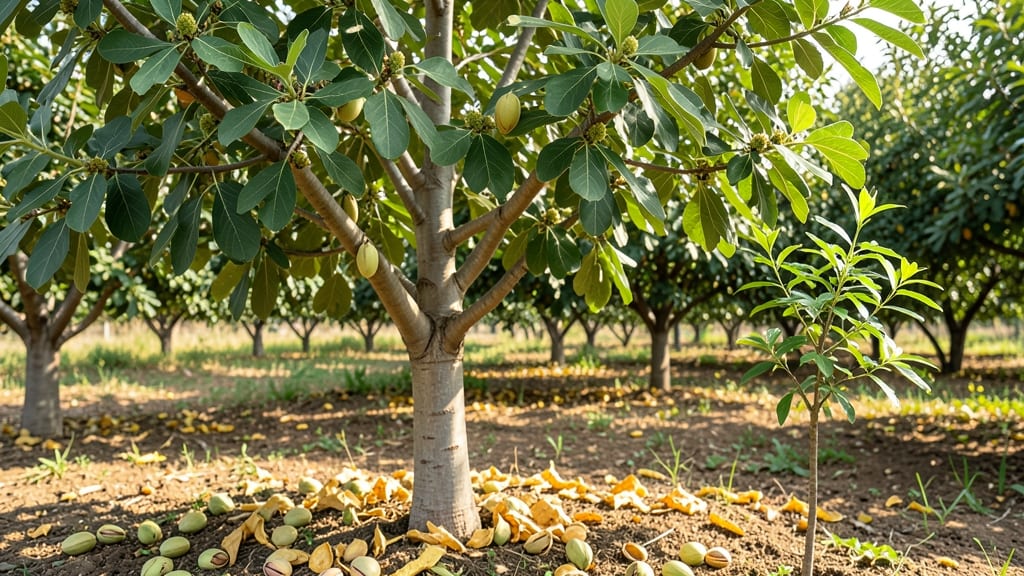
Incorporating pistachio shells into your garden transforms them from waste into a powerful, organic soil enhancer that boosts plant health through natural mulching, pest control, and nutrient enrichment.
Pistachio shells break down slowly, enriching soil with potassium and other minerals over time while their rough texture creates air pockets that improve drainage and root growth. 🌱 The shells also act as a natural barrier against pests like slugs and ants, thanks to their bitter compounds.
I've seen gardeners use them as a free, effective alternative to store-bought mulch—just crush them slightly for better coverage.
Beyond mulching, these shells have clever uses like creating raised garden beds or even repelling pests when ground into a fine powder. Their versatility makes them a sustainable choice for eco-conscious gardeners looking to reduce waste while improving their yard's health.
💡 In This Article
- How Pistachio Shells Improve Soil and Plant Growth
- Creative Ways to Use Pistachio Shells Beyond Mulch
How pistachio shells improve soil and plant growth
Pistachio shells contain high levels of potassium—about 1,000-1,500 ppm—which is released gradually as the shells decompose. This slow-release mechanism mimics natural fertilization, providing plants with a steady nutrient supply without the risk of over-fertilization.
The shells also contain smaller amounts of phosphorus and calcium, further enriching the soil's mineral content over time.
The coarse, fibrous texture of pistachio shells creates air pockets in the soil, improving aeration and drainage. This is particularly beneficial for heavy clay soils where waterlogging can suffocate plant roots.
The shells' rough surface also encourages beneficial soil microbes to colonize, breaking down organic matter more efficiently. 🌱 For example, a 2-inch layer of crushed shells around tomato plants can reduce soil compaction by up to 30% while maintaining moisture levels.
One of the most surprising benefits is pest deterrence. Pistachio shells contain natural compounds like tannins that repel slugs, ants, and other soft-bodied insects. When crushed and scattered around garden beds, these shells create a physical barrier that pests avoid.
The shells' bitter taste acts as a deterrent, similar to how diatomaceous earth works but without harming beneficial insects like bees or ladybugs.
The decomposition process also affects soil pH levels. Pistachio shells have a slightly alkaline nature (pH ~7.5-8.0), which can help neutralize acidic soils over time. This makes them particularly useful for acid-loving plants like blueberries or hydrangeas when used in moderation.
The shells' slow breakdown means their effects last for months, unlike fast-acting fertilizers that require frequent reapplication.
For container gardening, pistachio shells can be mixed into potting soil at a ratio of 1:4 (shells to soil) to improve drainage and prevent root rot. Their porous structure helps retain moisture while allowing excess water to escape, creating an ideal growing medium for herbs and small vegetables.
This dual benefit of moisture control and nutrient release makes them a dual-purpose amendment for both in-ground and potted plants.
What makes pistachio shells unique is their dual functionality—they work as both a physical soil enhancer and a biological activator. The shells' structure creates habitat for earthworms and beneficial fungi, while their chemical composition provides a slow-release nutrient boost.
This synergy between physical and chemical properties is what sets them apart from traditional mulches like straw or wood chips.