
Landscaping
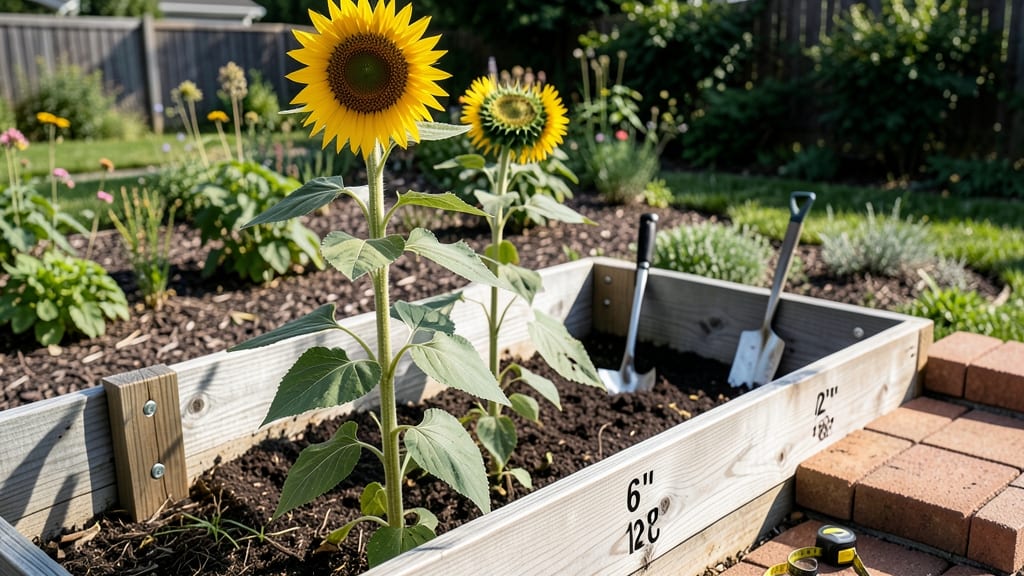
Optimal raised garden bed heights by plant type: root depth requirements
When building raised garden beds, one of the most critical decisions is height—because it directly impacts your plants' root systems. Shallow-rooted greens like lettuce and herbs thrive in 6-12 inches of soil, while deep-rooted crops such as asparagus or carrots need 18-24 inches to reach their full potential.
Getting this wrong means stunted growth, poor yields, or even plant death.
I’ve learned this the hard way—once, I planted carrots in a bed that was only 10 inches deep, and they grew twisted and undersized. Root depth matters more than you think, and it’s not just about height but also soil volume.
A taller bed gives roots room to spread and access nutrients, especially in dense or rocky native soil.
Here’s the key: most vegetables fall into three root-depth categories—shallow (<12"), medium (12-18"), and deep (>18"). Let’s break it down so you can design beds that work for your specific plants. The summary-table below shows exact height recommendations for common crops, along with soil volume calculations to avoid over- or under-building.
For shallow-rooted greens, a 6-12 inch bed is perfect—it’s cost-effective and easy to maintain. But if you’re growing asparagus or sweet potatoes, skip the shallow bed. These plants need 18-24 inches of soil to produce edible yields.
I once tried growing asparagus in a 12-inch bed, and the spears were thin and sparse. Don’t make that mistake!
Calculating soil volume is just as important as height.
Practical considerations for raised bed height: accessibility, materials, and drainage
Choosing the right raised bed height isn’t just about fitting your favorite plants—it’s about balancing ergonomics, material durability, and drainage efficiency. Standard heights range from 6 to 12 inches, but waist-height beds (24–36 inches) are gaining popularity for their back-saving benefits.
The trade-off? Deeper beds require more soil and materials, which can impact costs and construction complexity.
Your garden bed height should align with your physical needs and the plants you’re growing. For example, a 12-inch bed works well for leafy greens and herbs, while deep-rooted crops like asparagus or carrots need at least 18 inches of soil depth.
But before committing, consider whether you’ll need to add a second tier later—or if waist height is worth the extra effort.
Standard Height (6–12 inches)
- Lower material costs
- Easier to build and fill with soil
- Ideal for shallow-rooted plants
- Limited root depth for deep crops
- Bending required for maintenance
- Less soil volume per square foot
Waist Height (24–36 inches)
- Reduces back strain for planting/harvesting
- Accommodates deep-rooted plants
- Better soil volume for higher yields
- Higher material costs (more lumber/bricks)
- Requires heavier soil fill
- Drainage challenges if not planned
When selecting materials for raised beds, consider their longevity and drainage properties. Cedar resists rot but can warp over time, while composite lumber lasts longer but costs more. Bricks or stones add permanence but require precise leveling to avoid water pooling.
Always include drainage holes at the bottom if your bed sits on a hard surface, and line the base with gravel or perforated pipe to prevent soggy roots.
For accessibility-focused gardens, waist-height beds (24–36 inches) are a game-changer, especially for children, elderly gardeners, or those with mobility challenges. However, if you’re on a budget, start with a 12-inch bed and add height later by stacking soil bags or using removable side panels.
Just ensure your design supports the extra weight—especially after watering.
One often-overlooked factor is drainage planning. Tall beds (over 18 inches) need sloped sides or internal drainage layers to avoid waterlogging. Test your site’s drainage by digging a small hole: if it fills with water in under an hour, amend the soil with sand or perlite before building.
For clay-heavy areas, consider raised beds with built-in French drain systems to keep roots happy.
Ultimately, the best raised bed height depends on your garden goals, physical comfort, and planting plans. Start with a 12-inch bed for versatility, then adjust based on what you grow and who uses the garden.
And remember: you can always add height later with soil or removable panels—there’s no rush to build the perfect bed overnight!