
Pests
Peter Rabbit in Mr McGregor’s Garden captures the classic tale of a bold bunny’s daring raid on a Victorian-era vegetable patch, where his love of fresh carrots and lettuce leads to a thrilling escape from the garden’s gruff but fair caretaker.
Peter Rabbit in Mr McGregor’s Garden isn’t just a whimsical children’s story—it’s a vivid snapshot of 19th-century gardening, packed with botanical details that reflect Beatrix Potter’s own gardening expertise. 🌱 The garden’s lush produce, from tender lettuce to sweet radishes, mirrors Victorian gardening techniques, where vegetables were grown year-round in carefully tended plots. Potter’s attention to seasonal cycles—like the strawberries ripening just as Peter’s mischief peaks—adds authenticity that delights both kids and plant enthusiasts.
Beyond its charm, the tale offers timeless gardening wisdom. McGregor’s well-maintained borders and strategic plantings (like thorny roses to deter intruders) teach modern gardeners about natural pest control and thoughtful design.
Potter’s story subtly reinforces respect for cultivated spaces, making it a perfect tool for teaching children about plant care and the rewards of patience in gardening.
💡 In This Article
- The Hidden Botany of Mr McGregor’s Vegetable Patch
- Gardening Lessons from Peter Rabbit’s Misadventures
The hidden botany of mr McGregor’s vegetable patch
Beatrix Potter’s garden in Peter Rabbit wasn’t just a storybook setting—it was a meticulously researched Victorian vegetable patch, where each plant served both narrative and botanical purpose.
The carrots Peter devours, for example, would have been the long, slender varieties popular in the 1890s, like the "Paris Market" type, which grew up to 12 inches and had a sweeter flavor than modern hybrids.
Potter included these details from her own gardening journals, where she noted how carrots thrived in well-drained soil—just like McGregor’s carefully tended beds.
The lettuce in the garden would have been crisphead types, like "Iceberg" or "Bibb," which were staples of Victorian salads.
These varieties grew close to the ground, making them easy for a small rabbit to nibble—unless, of course, they were protected by thorny rose bushes, a common Victorian gardening tactic to deter pests.
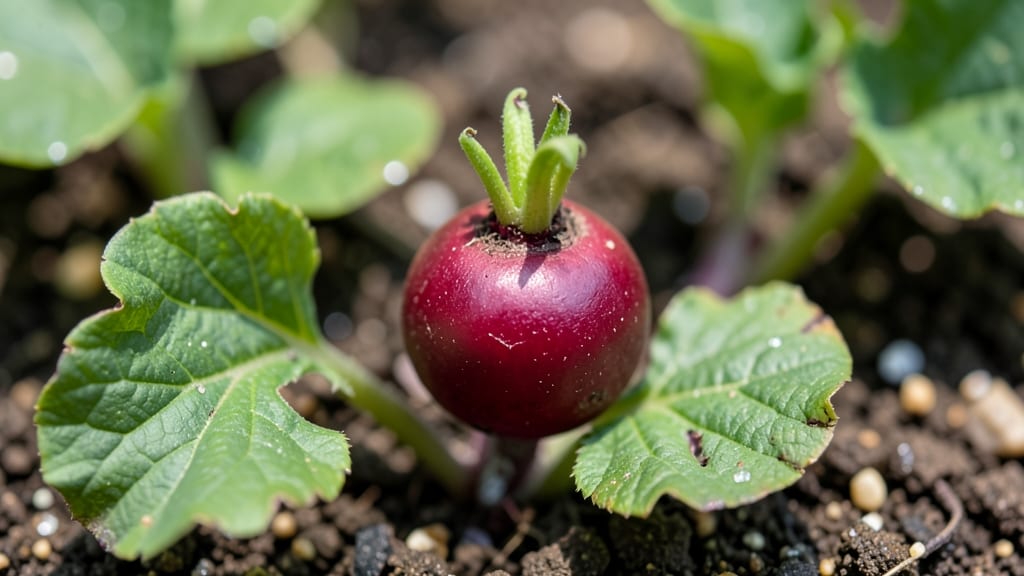
The radishes, likely the quick-maturing "French Breakfast" type, would have been planted in early spring and harvested within 30 days, adding a peppery crunch to Peter’s forbidden feast.
Potter’s attention to seasonal cycles is equally precise. The strawberries ripening in June align with the natural growing season of the "Royal Sovereign" variety, a favorite in Victorian gardens.
These berries would have been planted in raised beds to improve drainage, a technique Potter herself used in her Hill Top Farm garden.
The story’s timing—Peter’s raid occurring during strawberry season—wasn’t arbitrary; it reflected the peak of the garden’s productivity, when the harvest was most tempting (and most vulnerable to hungry bunnies).
What makes Potter’s botanical details so remarkable is how they reflect real Victorian gardening practices. She included companion planting techniques, like growing carrots near onions to repel pests, and used stone borders (like McGregor’s) to define garden edges—a practical solution that also added aesthetic appeal.
Even the watering can McGregor uses was a nod to the era’s reliance on manual irrigation, as indoor plumbing wasn’t yet standard in rural gardens.
The garden’s layout also mirrors the "kitchen garden" model of the time, where vegetables were grown in neat, accessible rows for easy harvesting. McGregor’s straight paths weren’t just for aesthetics—they allowed for efficient movement and reduced soil compaction, a key concern for Victorian gardeners.
Potter’s illustrations even show mulched beds, a technique used to retain moisture and suppress weeds, further proving her expertise.
For modern gardeners, Potter’s attention to detail offers a masterclass in historical horticulture. Her garden wasn’t just a backdrop—it was a living, breathing character, where every plant played a role in the story and reflected real-world growing conditions.
The next time you plant carrots or strawberries, you’re continuing a tradition that began with Potter’s careful observations and love for the natural world. 🌱