
Tools
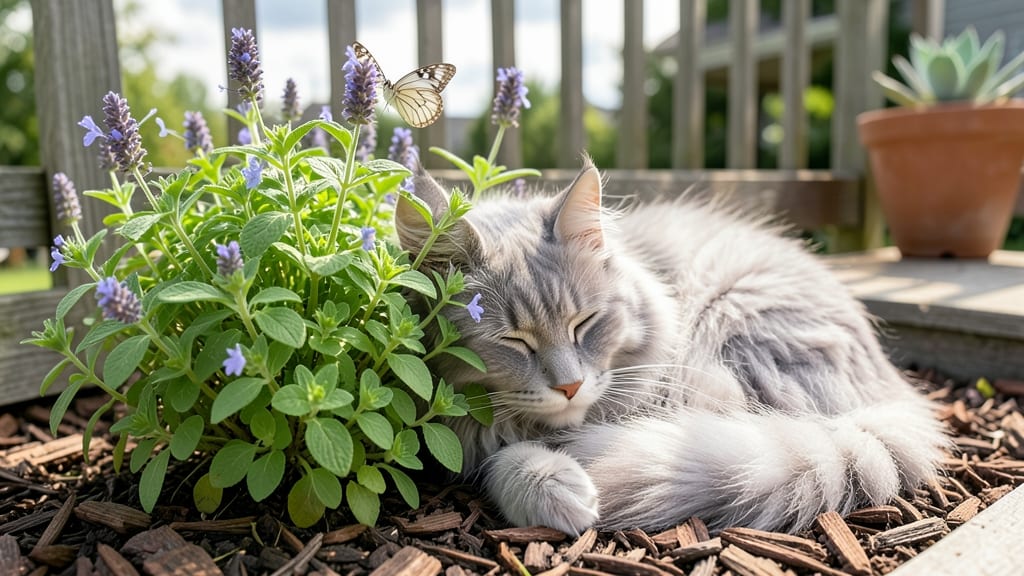
Creating a pet-friendly garden means selecting non-toxic plants, securing chemicals, and designing safe zones with water and shade. Skip dangerous blooms like lilies or azaleas, and choose safer options such as sunflowers or catnip instead.
Your garden can be a paradise for both you and your furry friends—if you plan it right. 🌿 The key is starting with plants that won’t harm curious paws, like pet-safe grasses (wheatgrass) or herbs (parsley).
I always recommend grouping toxic plants in locked areas or raised beds, and using organic mulch to prevent accidental ingestion from the soil. Even something as simple as a shallow water dish can turn a garden into a safe retreat for pets to explore.
Beyond plants, think about your pet’s natural behaviors. Dogs love digging, so add a designated sandpit with pet-safe soil. Cats need vertical space—catnip-filled shelves or climbing towers can redirect their instincts away from your prized roses.
And never underestimate the power of fresh air: a breeze-breaking trellis or shaded hammock keeps them cool while you enjoy your outdoor space.
💡 In This Article
- Toxic Plants to Avoid for Pets in Gardens
- Pet-Safe Garden Design Tips for Outdoor Spaces
Toxic plants to avoid for pets in gardens
Many garden plants contain compounds that can cause serious health issues in pets. For instance, lilies—often prized for their elegant blooms—contain toxic glycosides that trigger severe kidney failure in cats, even from minimal ingestion.
Azaleas and rhododendrons produce grayanotoxins, which disrupt a pet’s nervous system, causing vomiting, weakness, and even coma in extreme cases. The mechanism behind these toxins varies: lilies damage kidneys through oxidative stress, while azaleas affect sodium channels in nerve cells, leading to muscle tremors.
Other common offenders include sago palms (cycasin toxicity), which can cause liver failure in dogs within days, and foxglove (digitalis), whose cardiac glycosides mimic natural heart chemicals but in lethal doses.
Even seemingly harmless plants like mushrooms contain amatoxins that destroy liver cells. 🌿 Symptoms of poisoning often appear within hours—drooling, nausea, lethargy—but delayed signs (like seizures or organ failure) can take days to develop. This is why immediate vet care is critical if you suspect ingestion.
What makes these plants particularly dangerous is their accessibility. Pets explore with their mouths, and plants with strong aromas (like lavender or mint) or juicy stems (such as hostas) are especially tempting.
For example, hostas contain insoluble calcium oxalates that cause oral irritation and swelling, making it painful for pets to eat—but that doesn’t stop them from trying. The key is to recognize high-risk plants by their leaves (e.g., sago palms’ fan-shaped fronds) or flowers (e.g., lily petals that droop at night).
If you’re unsure about a plant’s safety, the ASPCA’s toxic plant database is a reliable resource. It categorizes plants by toxicity level and includes photos for quick identification.
For example, while daffodils are toxic, their bulbs are more dangerous than the flowers, so planting them in raised beds can reduce risk. Always check both the plant and its soil—mulch from toxic plants (like cocoa bean hulls) can also pose a hazard if ingested.
For pets with specific sensitivities, even non-toxic plants can cause issues. For example, some dogs are allergic to grass pollen, leading to skin irritation or respiratory distress. Always monitor your pet’s behavior after introducing new plants, especially in the first few weeks when they’re most curious. 🐾