
Tools
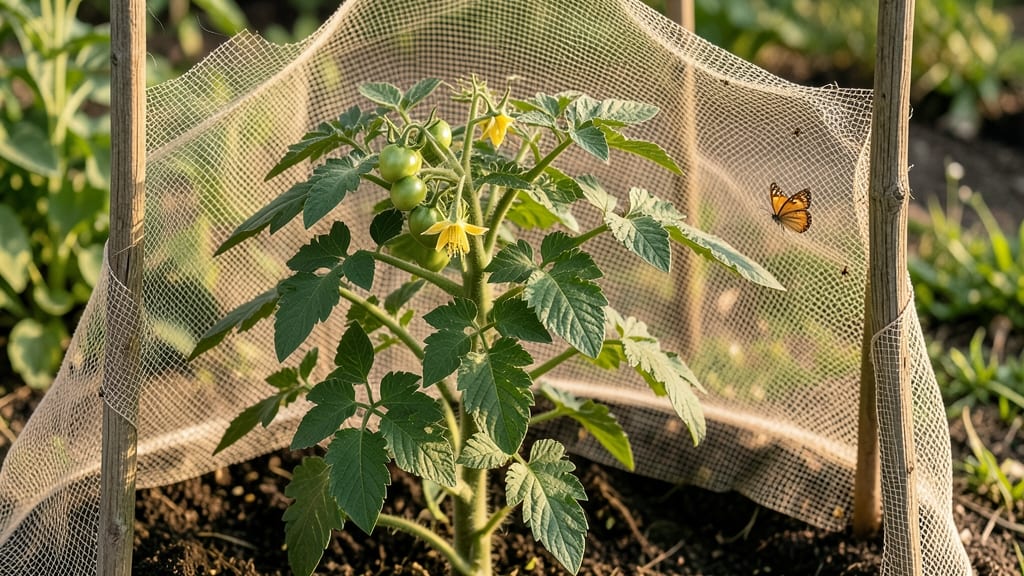
Pest netting for gardens creates a protective barrier against insects, birds, and small animals while maintaining essential sunlight, water, and airflow for healthy plant growth. Opt for durable mesh, accurate measurements, and secure attachment methods for maximum effectiveness.
This lightweight yet sturdy barrier works by physically blocking pests while letting vital elements reach your plants. 🌱 For vegetable gardens, I recommend 16-20 mesh to deter most insects while allowing pollinators like bees to pass through.
The right fabric—like UV-resistant polypropylene—extends the netting's lifespan, especially in sunny climates where degradation happens faster. Proper installation with heavy-duty staples or weights prevents gaps where pests could sneak in, making the difference between a thriving harvest and a ruined crop.
When choosing between different types, consider your biggest threats: fine mesh (16-20) stops aphids and whiteflies, while coarser mesh (20-30) keeps out larger birds and squirrels. For raised beds, I often use hoop frames covered with netting for easy removal during harvest time.
The key is balancing protection with accessibility—you want to shield your plants without smothering their growth.
💡 In This Article
- How to Select the Right Pest Netting Fabric and Mesh Size
- Step-by-Step Guide to Installing Garden Pest Netting
How to select the right pest netting fabric and mesh size
The mesh size determines what pests your netting can block—think of it like a sieve where smaller holes catch tiny insects while larger gaps let beneficial pollinators through.
For most vegetable gardens, 16-20 mesh (holes measuring 0.025-0.035 inches) creates the perfect balance: it stops aphids, whiteflies, and cabbage worms while allowing bees to pass. 🌿 This size range blocks 90% of common garden pests without restricting airflow, which is crucial for plant health.
If you're growing berries or fruits, you might need 20-30 mesh to keep out birds and larger insects like hornworms.
Fabric choice affects durability and UV resistance. Polypropylene is the gold standard for garden netting because it's lightweight yet strong, with UV stabilizers that extend its life to 3-5 years in sunny climates. Polyester alternatives are cheaper but degrade faster—expect 1-2 years of use unless you're in a shaded area.
The weave pattern matters too: monofilament (single-strand) netting is more visible to birds but stronger, while multifilament (braided) is less noticeable but can snag more easily. For windy areas, opt for 3-ounce weight fabric to prevent flapping and tearing.
Climate plays a surprising role in fabric performance. In humid regions, mold-resistant treatments are essential—look for netting labeled "fungus-resistant" to prevent rot. In dry climates, UV protection becomes critical since sunlight accelerates fabric breakdown.
I've seen polypropylene netting lose 50% of its strength after just one season in full sun without UV inhibitors. For greenhouses, consider shade cloth combined with netting to filter light while blocking pests, though this reduces airflow slightly.
Color matters more than you'd think. White or light-colored netting reflects sunlight, reducing heat buildup that can stress plants underneath. Darker fabrics absorb heat, creating microclimates that might encourage pests.
For high-value crops like tomatoes, I recommend white polypropylene with 20 mesh—it balances visibility for birds while still blocking insects. The trade-off? Lighter colors may show dirt more easily, so plan for occasional rinsing.
Don't overlook the edges—the weakest point in any netting system. Reinforced hem stitching prevents unraveling, while 1-inch wide borders make securing the netting to frames or stakes much easier. For permanent installations, choose fabric with grommet holes every 12 inches to simplify attachment.
These small details can mean the difference between a netting that lasts a season and one that fails after a single storm.
Pro tip: Test your netting before full installation. Hold it up to a bright light—you should see uniform holes with no gaps larger than 0.04 inches. If you spot irregular weaves, that fabric may have stretched or degraded.
For organic gardens, look for netting labeled "OMRI-listed" to ensure it meets organic farming standards without synthetic coatings.
Remember, the right mesh size and fabric aren't just about blocking pests—they're about creating an ecosystem where your plants thrive while keeping unwanted visitors out.
The best choice depends on your specific threats, climate, and crop types, but starting with 16-20 mesh polypropylene gives you the broadest protection for most home gardens. 💫