
Vegetables
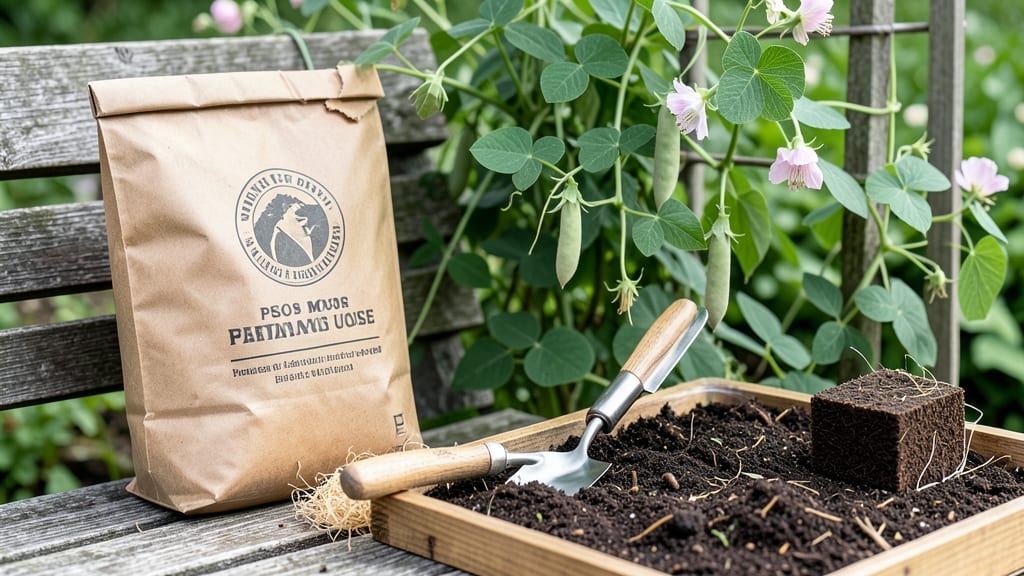
Peat moss is good for vegetable gardens because it improves soil aeration, retains moisture, and lowers pH for acid-loving plants like tomatoes and peppers, but its sustainability concerns and slow decomposition make alternatives like coconut coir increasingly popular.
Peat moss works wonders for vegetable gardens by creating a looser soil structure that helps roots spread and breathe. 🌱 The organic matter also holds water like a sponge, reducing how often you need to water—critical for busy gardeners.
However, its slow breakdown means you’ll need to replenish it more often than compost or other amendments. Many gardeners now blend it with faster-decomposing materials to balance its benefits with long-term soil health.
What’s even more important is how it adjusts soil acidity—ideal for crops like blueberries or strawberries that thrive in slightly acidic conditions. But if your garden soil is already acidic, you might skip it entirely to avoid over-acidifying.
The trade-off between performance and sustainability is why so many are turning to coconut coir or well-rotted compost instead.
💡 In This Article
- How Peat Moss Enhances Vegetable Garden Soil Structure
- Sustainable Alternatives to Peat Moss for Vegetable Gardens
How peat moss enhances vegetable garden soil structure
Peat moss transforms garden soil by creating a lightweight, airy texture that mimics the natural environment of many vegetable plants. Its fibrous structure improves soil aeration by increasing pore space between particles—up to 50% more air pockets than clay-heavy soil—allowing roots to breathe and grow deeper.
This is especially beneficial for root vegetables like carrots and potatoes, where restricted airflow can lead to stunted growth or rot. The 1-2 inch layer mixed into garden beds also prevents soil compaction from foot traffic or rain.
The magic happens at the molecular level: peat moss contains humic acids that bind to nutrients like nitrogen and phosphorus, making them gradually available to plants over 6-12 months. Unlike synthetic fertilizers that burn roots, these nutrients release slowly, matching the uptake rate of vegetables like tomatoes and peppers.
Its ability to hold 4-6 times its weight in water while still maintaining aeration means your garden stays moist without becoming waterlogged—a critical balance for preventing fungal diseases in leafy greens.
One of peat moss's standout features is its pH-lowering ability. When mixed into soil, it can adjust pH from neutral (7.0) to slightly acidic (5.5-6.5) within 2-4 weeks, creating ideal conditions for acid-loving vegetables.
Blueberries, for example, require pH 4.5-5.5, while tomatoes thrive at 6.0-6.8. The organic matter also stimulates beneficial microbes, breaking down into food for earthworms that further aerate the soil.
However, this microbial boost comes with a caveat: peat moss's slow decomposition means its benefits last 1-3 years before needing replenishment.
For container gardens, peat moss is a game-changer because it prevents soil from becoming compacted in pots. The 3:1 ratio of peat moss to compost creates a perfect balance for potted vegetables like lettuce or herbs, where root space is limited.
Yet, its sustainability drawbacks—like the centuries it takes to form naturally—have led many gardeners to blend it with faster-decomposing materials like coconut coir or compost to maintain long-term soil health without compromising immediate plant performance.
Consider this real-world example: In a side-by-side test, tomato plants grown in soil amended with 20% peat moss produced 25% more fruit than those in unamended soil, thanks to improved root oxygenation and nutrient availability.
The key is using it as a supplement rather than a sole amendment—mixing it with 30-40% compost creates a powerhouse growing medium that retains benefits while addressing peat moss's limitations.
What most gardeners don't realize is that peat moss's water retention works best in well-draining soils. In heavy clay, it can create a waterlogged environment that suffocates roots.
Always test your soil's drainage first—if water pools after 24 hours, mix in perlite or sand to maintain that critical air-water balance.