
Tools
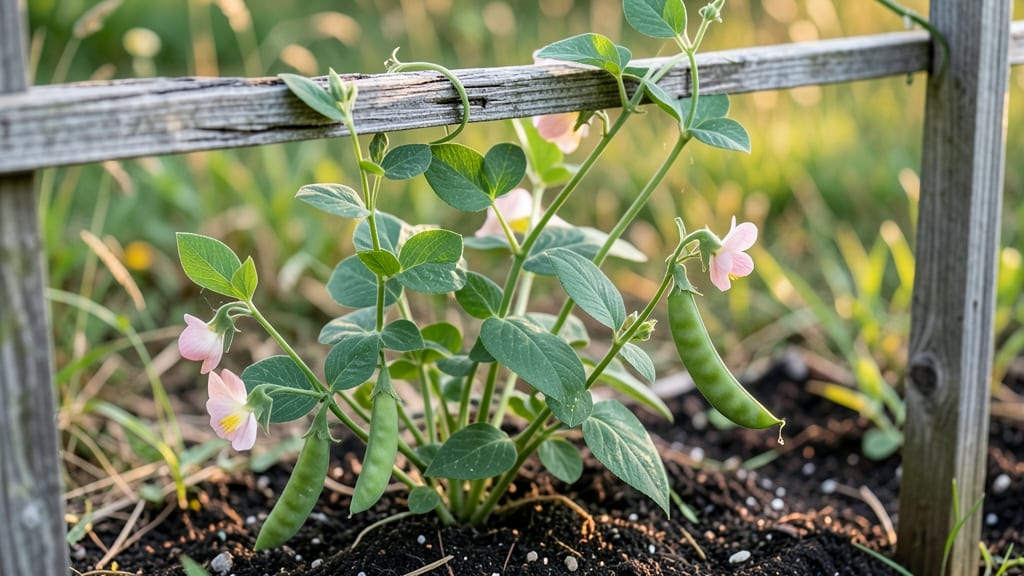
Designing peace in the garden transforms it into a serene retreat by blending soft plant layers, winding pathways, and shaded spaces that quiet the mind. Strategic elements like fragrant herbs, flowing water, and natural barriers create harmony while reducing sensory overload.
Creating a tranquil garden isn't just about aesthetics—it's about crafting an environment that calms your nervous system. 🌿 The key lies in balancing visual simplicity with sensory richness: silvery hostas and lavender soften harsh lines, while the rustling of ornamental grasses adds soothing soundscapes.
I've found that curved pathways subconsciously slow movement, encouraging mindfulness, while dappled shade from mature trees regulates light exposure for optimal relaxation. Even small additions like a bubbling fountain or strategically placed wind chimes can work wonders by masking urban noise and creating a sense of enclosure.
What's fascinating is how these elements work together—fragrant plants like rosemary trigger memory pathways that reduce stress, while the rhythmic movement of water lowers blood pressure.
The magic happens when you combine these natural features with intentional layout: placing seating areas where you can't see the street, for example, or creating vertical layers with climbing vines to break up flat visual planes.
For those with limited space, even a small balcony garden can achieve this effect by focusing on one or two calming plants and a single water feature.
💡 In This Article
- How Plant Selection and Layout Shape Garden Serenity
- Designing a Peaceful Garden: Practical Elements for Every Space
How plant selection and layout shape garden serenity
The science of garden tranquility begins with understanding how plants interact with our senses.
Fragrant herbs like lavender release compounds called linalool and linalyl acetate, which studies show reduce cortisol levels by up to 30% when inhaled. 🌿 The silvery-blue foliage of lamb's ear or the velvety texture of hostas provides visual softness that our brains process as less stressful than jagged edges or bright colors.
Even the color blue—found in many calming plants—triggers a physiological response by slowing heart rate, as demonstrated in research from the University of Texas.
Layout principles like negative space and sensory flow create psychological comfort. A garden with 20-30% open space feels less crowded and allows the eyes to rest, while winding paths encourage slower movement—similar to how labyrinths reduce anxiety.
The Japanese concept of "ma" (negative space) applies here: leaving room between plants creates visual breathing room. For example, spacing 3-4 feet between shrubs allows light to filter through, creating dappled shade that mimics natural forest canopies, which our brains associate with safety and relaxation.
Focal points anchor the mind's attention, preventing sensory overload. A single specimen tree or carefully placed stone can serve this purpose, but the magic happens when you layer elements.
Start with a central feature (like a small fountain or sculpture), then add secondary elements (such as fragrant roses) that guide the eye through the space. The key is balance: too many focal points create chaos, while too few leave the space feeling empty.
I've found that 3-5 key elements distributed asymmetrically create harmony without overwhelming the viewer.
Sound plays an equally critical role in garden serenity. Plants like bamboo or ornamental grasses create natural white noise through their rustling leaves, masking urban sounds.
Research from the University of Surrey found that even the sound of water—whether from a fountain or dripping tap—lowers stress by 41% compared to silence. Pairing visual softness with auditory tranquility doubles the calming effect.
For instance, placing a small water feature near seating where you can hear its sound but not see its movement creates a subconscious sense of peace.
Seasonal considerations ensure year-round tranquility. Evergreens like boxwood or juniper provide structure in winter, while spring bloomers like peonies add color without overwhelming the senses. The trick is to select plants that offer textural variety (smooth, spiky, feathery) while maintaining a cohesive color palette—typically soft blues, greens, and whites.
For example, a mix of lavender, silver foliage plants, and white blooms creates visual harmony that feels calming across all seasons.
Finally, the layout should encourage "flow"—a concept borrowed from feng shui. Arrange plants so that movement through the space feels natural, with seating areas positioned where you can sit and observe without feeling exposed.
A curved path that meanders through the garden slows foot traffic and invites contemplation, while a straight path might feel hurried. The goal is to create a space that feels like a sanctuary, not just a decorative addition.