
Tools
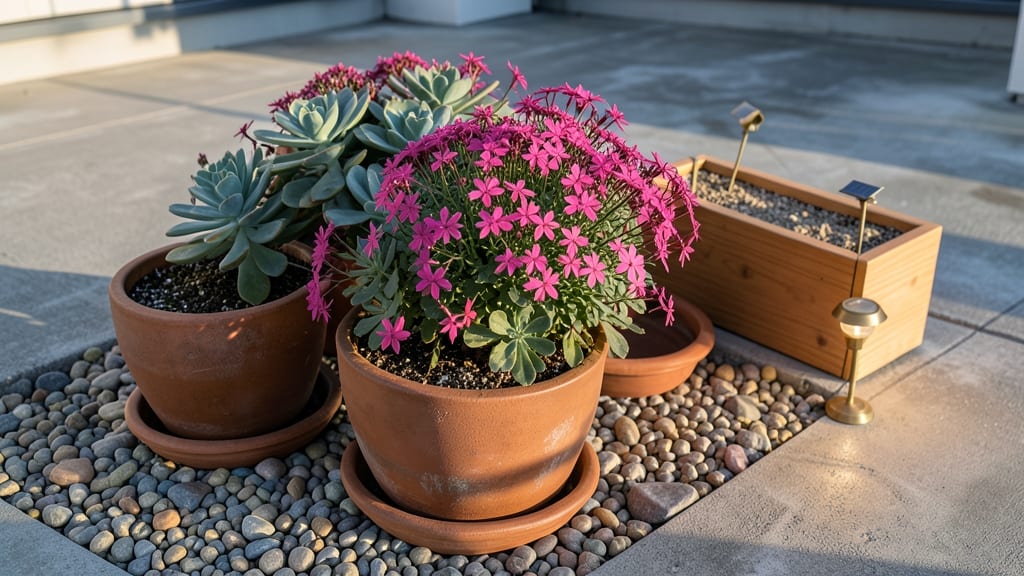
A roof terrace garden transforms limited outdoor space into a lush oasis by combining vertical planters, lightweight containers, and hardy plants—all while keeping structural loads under 20-40 lbs per square foot through smart weight distribution and waterproofing solutions.
A roof terrace garden thrives on creativity and precision.
The key lies in choosing lightweight materials like plastic or composite planters (which weigh far less than ceramic) and prioritizing drought-tolerant plants such as succulents or herbs that require minimal watering. 🌿 I’ve seen terraces double as both functional spaces and green retreats by strategically placing heavier elements near load-bearing walls while using hanging baskets for decorative accents.
The real magic happens when you pair this with a waterproof membrane—this simple step prevents leaks that could ruin your deck and your plants.
For urban gardeners, the challenge often becomes balancing aesthetics with practicality. Tiered systems work wonders for maximizing vertical space without adding excessive weight, while native plants adapt better to windy conditions.
I always recommend starting with a small section—say, a 4x4-foot area—to test both your design and the structure’s capacity before expanding. This approach helps avoid costly mistakes while letting you refine your layout over time.
💡 In This Article
- Designing a Roof Garden Within Structural Weight Limits
- Best Space-Saving Plant Layouts for Roof Terraces
Designing a roof garden within structural weight limits
Understanding your roof's load-bearing capacity is the foundation of a safe and thriving terrace garden. Most residential roofs are designed to handle 20-40 lbs per square foot for live loads (like plants and people), but this varies dramatically based on your building's age and construction.
For example, older buildings with wooden decks often have stricter limits (10-20 lbs/sq ft) compared to modern concrete structures (up to 80 lbs/sq ft). The key is knowing your specific threshold—consulting a structural engineer or checking your building plans is wise before adding weight.
Container weight plays a surprisingly large role in staying within limits. A 10-gallon fabric grow bag filled with potting mix weighs about 15-20 lbs when saturated, while the same volume in a lightweight plastic pot might only weigh 8-12 lbs.
Soil type matters too: coconut coir mixes (which retain 30-50% less water than traditional peat-based soils) can cut container weight by 20-30% while still supporting healthy plants. I've found that combining 50% perlite or vermiculite with potting mix creates an airy medium that reduces overall weight without sacrificing drainage.
Plant selection directly impacts your weight budget. A mature rosemary bush in a 12-inch pot might weigh 10 lbs, while a similarly sized olive tree could exceed 30 lbs due to its dense foliage and deeper root system.
Drought-resistant plants like lavender, sedum, or thyme are ideal—they thrive with 30-50% less water than traditional garden plants, reducing both container weight and irrigation demands. For heavier specimens, consider root-pruning techniques during repotting to limit root growth while maintaining plant health.
Common weight distribution mistakes can turn a beautiful garden into a structural hazard. Placing all heavy containers in one corner creates uneven stress points, while clustering them along load-bearing walls spreads the weight more safely.
I've seen terraces where gardeners placed 20-gallon pots near deck edges, only to discover the joists couldn't support the concentrated load. A simple rule: distribute weight evenly across at least three support points for every 100 lbs of plant material.
For extra safety, use adjustable metal stands that can be repositioned as your garden grows.
Reinforcing your deck without sacrificing usability requires strategic upgrades. Adding additional joists (spaced 12-16 inches apart) can increase load capacity by 30-50%, while composite decking (which weighs 40% less than traditional wood) reduces overall structural demands.
For existing decks, epoxy-coated steel plates placed under heavy containers can help redistribute weight. I recommend testing your deck's capacity with a temporary load test—place 50-lb sandbags in your planned container locations for 24 hours to check for sagging or creaking before committing to permanent installations.
Waterproofing isn't just about protecting your interior—it's also a weight management strategy. Traditional soil gardens require 10-15 lbs per cubic foot of water retention capacity, while hydroponic systems can reduce this by 70-80%.
Consider wicking beds that use 50% less soil while maintaining moisture levels, or fabric grow bags that drain excess water automatically. These systems keep your terrace lighter while still providing abundant growing space for herbs, lettuces, and shallow-rooted vegetables.