
Advice
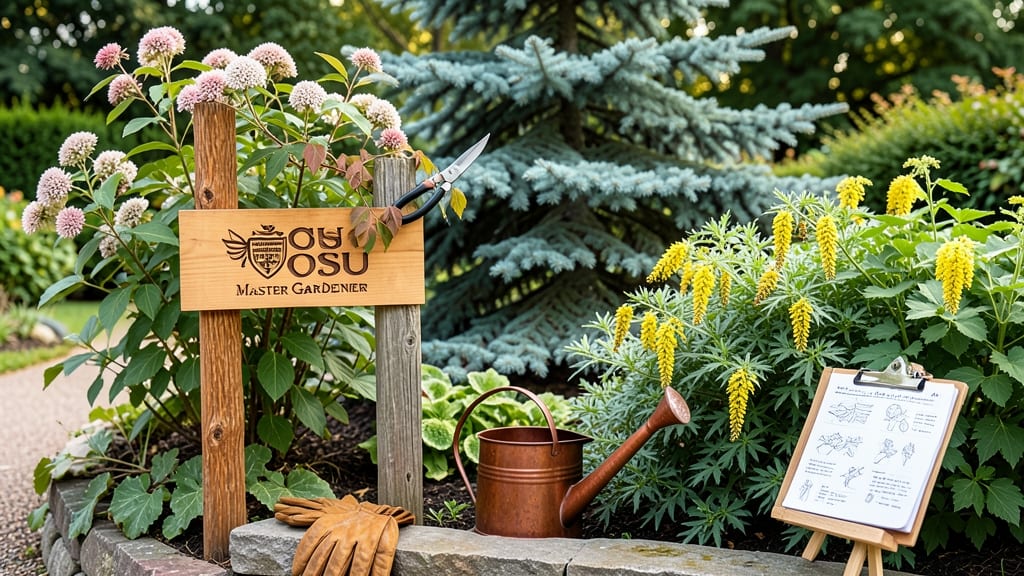
The Oregon State University Master Gardener program trains volunteers in sustainable gardening practices, plant diagnostics, and community education through a science-backed 40-60 hour curriculum. Participants must complete an exam and fulfill annual volunteer hours in their local county.
This program stands out because it blends hands-on learning with real-world impact—think diagnosing plant diseases at community clinics or teaching youth gardening workshops. 🌱 The training dives deep into topics like organic pest control and soil health, giving volunteers the tools to tackle common gardening challenges with confidence.
What's special is how it connects science with action, ensuring graduates can actually apply what they learn in their own gardens or neighborhood projects.
Beyond the classroom, OSU Master Gardeners become part of a statewide network, sharing expertise through plant clinics, school programs, and public events. The commitment extends beyond certification, with many volunteers dedicating hundreds of hours yearly to local food banks, urban gardens, and environmental education initiatives.
It's not just about growing plants—it's about growing community through gardening.
💡 In This Article
- Core Curriculum and Training Structure for OSU Master Gardeners
- Step-by-Step Application Process and Volunteer Requirements
Core curriculum and training structure for OSU Master Gardeners
The OSU Master Gardener curriculum is designed like a scientific toolkit, blending classroom theory with hands-on practice. You'll dive into botany fundamentals—like plant anatomy and physiology—where you'll learn how roots absorb water through osmosis and how leaves convert sunlight into energy via photosynthesis.
This isn't just memorization; you'll dissect plant stems to see vascular bundles or observe fungal infections under microscopes in lab sessions. The program covers entomology too, teaching you to distinguish between beneficial insects (like ladybugs) and pests (such as aphids) using magnifying lenses and field guides.
What makes the training stand out is its emphasis on diagnostic skills. You'll spend hours in plant clinics practicing how to identify diseases by examining leaf spots, root rot patterns, or insect damage up close.
For example, you'll learn to differentiate between powdery mildew (white fungal growth) and downy mildew (gray, fuzzy patches) by their texture and growth patterns.
The program even includes a soil health module where you'll analyze soil samples for pH, nitrogen levels, and organic matter content—using tools like pH meters and texture tests with water and sand. 🌱 Classes combine online modules with in-person workshops, ensuring you get both the science and the practical experience.
The curriculum also tackles sustainable gardening techniques head-on, teaching organic pest control methods like companion planting (marigolds repelling nematodes) and beneficial insect habitats. You'll learn how to create compost tea or use neem oil sprays, with demonstrations showing exactly how these work at the cellular level.
What's unique is the program's focus on evidence-based solutions—no guesswork, just science you can trust. For instance, you'll measure how much water different plants need by tracking soil moisture with tensiometers (devices that measure soil suction).
Hands-on components include diagnostic labs where you'll process real plant samples from community members, and field days at OSU's botanical gardens. These experiences let you apply what you've learned in controlled settings before working with the public.
The program even covers extension education principles, teaching you how to communicate complex gardening concepts to diverse audiences—whether it's explaining soil microbes to kids or helping seniors with accessible garden designs. This dual focus on science and outreach is what sets OSU Master Gardeners apart.
One standout feature is the plant pathology section, where you'll study how pathogens enter plants through stomata or wounds, and how environmental factors like humidity accelerate disease spread. You'll learn to create disease management plans that consider both the plant's biology and the local ecosystem.
For example, you'll calculate how much copper fungicide to use based on leaf surface area measurements, ensuring effectiveness without harming beneficial insects.
The training even includes a module on invasive species, teaching you to identify and report them using the iNaturalist app—a tool many volunteers use in their service work.
What most people don't realize is how the curriculum evolves with new research. OSU regularly updates modules based on the latest studies—for instance, incorporating recent findings about mycorrhizal fungi (soil fungi that boost plant growth) or climate-adaptive gardening techniques.
This ensures you're always working with the most current, effective methods. The program's blend of rigorous science and practical application means you'll leave with both the knowledge and confidence to solve real gardening problems in your community.