
Advice
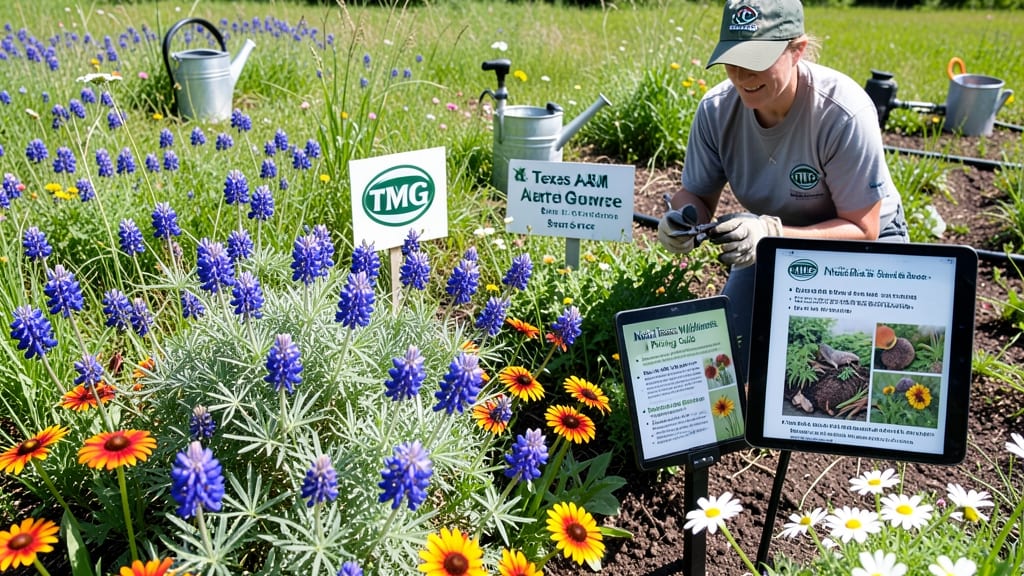
The Texas Master Gardener Program trains volunteers in horticulture to provide research-based gardening expertise, requiring 40+ hours of classroom training, a 50-hour internship, and ongoing community service hours annually.
The Texas Master Gardener Program is a Texas A&M AgriLife Extension initiative that transforms passionate gardeners into certified community educators. 🌱 Through the 40-hour curriculum, volunteers dive into plant science, pest management, and sustainable gardening techniques—all backed by university research.
The 50-hour internship lets you apply knowledge while working directly with local gardens, schools, or extension offices. What sets this program apart is its focus on real-world impact: volunteers must complete 25 hours of service annually to maintain certification, ensuring expertise stays current and community needs are met.
This program isn't just about gardening—it's about building a network of knowledgeable volunteers who can tackle everything from urban food deserts to school garden programs. The training covers everything from soil health to native plant ecosystems, giving you the tools to address specific regional challenges.
Whether you're a hobbyist looking to give back or a professional wanting to expand your horticulture credentials, this program offers a structured path to make a lasting difference in your community.
💡 In This Article
- Texas Master Gardener Program Training Curriculum Breakdown
- How to Apply and Succeed as a Texas Master Gardener Volunteer
Texas Master Gardener program training curriculum breakdown
The Texas Master Gardener Program's 40-hour curriculum is designed by Texas A&M AgriLife Extension to equip volunteers with science-backed horticulture knowledge.
The training covers six core modules: botany (plant structure and function), soil science (composition and management), pest management (integrated approaches), plant pathology (disease diagnosis), horticultural practices (pruning, propagation), and communication skills for public education.
Each module includes hands-on labs where you'll analyze soil samples, identify plant diseases, and practice diagnostic techniques using microscopes and field guides.
What makes this program unique is its emphasis on Texas-specific horticulture challenges. For example, the pest management section dedicates significant time to native invasive species like Chinese tallow and giant salvinia, which disrupt local ecosystems.
You'll also study water conservation techniques tailored to Texas' drought-prone regions, including drip irrigation systems and native plant landscaping.
The curriculum even covers urban gardening solutions for food deserts, where volunteers often work with limited space and soil quality. 🌿 Classes are typically held in weekly 2-3 hour sessions over 8-10 weeks, with some counties offering hybrid online/in-person formats.
The certification process requires passing exams in each module with at least 80% accuracy. These aren't just memorization tests—they include practical components like diagnosing plant diseases from photographs or designing a 250-square-foot demonstration garden plan.
What most applicants don't realize is that the program also teaches public speaking fundamentals, preparing you to lead workshops or answer questions from community members. This ensures volunteers can effectively translate complex horticultural concepts into actionable advice for gardeners of all skill levels.
Texas A&M AgriLife Extension delivers the curriculum through a mix of instructor-led lectures and guest experts from fields like entomology and landscape architecture. For instance, the plant pathology section often features a Texas A&M plant pathologist demonstrating how to collect and analyze tissue samples for fungal infections.
The program also incorporates case studies from real Texas gardens, showing how theory applies to common problems like black spot on roses or sod webworm infestations. This hands-on approach ensures you graduate with both book knowledge and practical experience.
One often-overlooked aspect is the regional specialization built into the curriculum. While core topics remain consistent, local instructors tailor 20% of the content to address regional priorities.
For example, volunteers in the High Plains focus more on drought-resistant plants and wind erosion control, while those in East Texas study humidity-adapted pest management. This localization ensures your training directly addresses the gardening challenges in your specific area of Texas.
After completing the classroom portion, the program transitions to the 50-hour internship, where you'll apply your knowledge under supervision. This phase often includes tasks like maintaining demonstration gardens, staffing plant clinics, or assisting with school garden programs.
The internship isn't just about gaining experience—it's also where you'll discover your specific areas of interest within horticulture, whether that's native plant restoration, urban agriculture, or youth education. Many graduates say this practical phase is where they truly solidify their understanding of the curriculum's concepts.