
Container Gardens
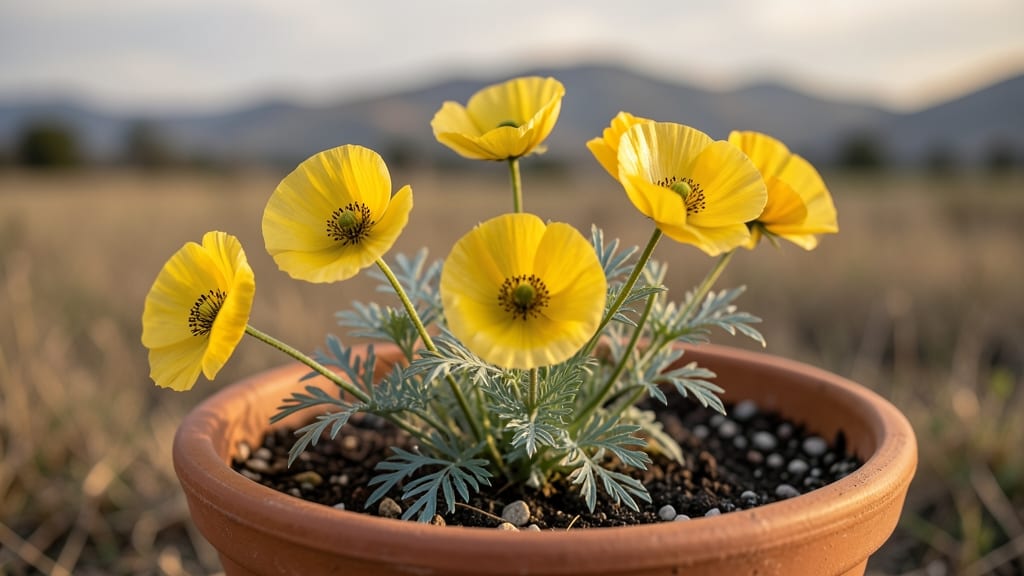
Pasadena’s botanical gardens offer stunning plant collections, including the Huntington Library’s desert landscapes, Descanso’s rare cacti, and Japanese gardens, with seasonal blooms, educational exhibits, and peaceful walking paths for all visitors.
These gardens aren’t just beautiful—they’re living classrooms where you can explore everything from arid desert ecosystems to humid tropical glasshouses. 🌵 The Huntington Library’s 12-acre desert garden, for example, recreates California’s Mojave with native plants like Joshua trees, while Descanso’s collection of 3,000+ cacti and succulents includes species from five continents.
Many gardens also host special events, like orchid shows or holiday displays, making them perfect for families or plant lovers looking to expand their knowledge.
What sets Pasadena’s gardens apart is their blend of scientific rigor and accessible beauty. Whether you’re admiring the Japanese gardens at Descanso or wandering through the Conservatory’s tropical glasshouse, each visit becomes an immersive experience.
Plus, their strategic locations—like the Huntington’s proximity to the Rose Bowl—make them easy to combine with other local attractions.
💡 In This Article
- History and Botanical Highlights of Pasadena’s Premier Gardens
- Planning Your Visit: Events, Entry Fees, and Best Seasons
History and botanical highlights of Pasadena’s premier gardens
The Huntington Library, Garden, and Art Museum began as a private collection in 1919, donated by industrialist Henry E. Huntington.
Its desert garden spans 12 acres and replicates California’s Mojave ecosystem with native plants like Joshua trees (Yucca brevifolia), which can live over 150 years and grow up to 40 feet tall.
The garden’s layout mimics natural topography, with slopes and rock formations that create microclimates perfect for drought-resistant species. 🌵 What’s fascinating is how the Huntington’s horticulturists use drip irrigation systems that mimic natural rainfall patterns, delivering just 10-15% of typical garden water usage.
Descanso Garden, established in 1937, focuses on rare cacti and succulents, with a collection of 3,000+ species from five continents.
Their Japanese garden, designed in the 16th-century tea ceremony style, features a 12-foot stone lantern and a pond stocked with koi fish that create ripples for the sound of flowing water.
The garden’s cactus greenhouse maintains 30-40% humidity and 70-80°F temperatures year-round, allowing delicate species like the Madagascar palm (Dypsis decaryi) to thrive. This controlled environment prevents the 50% mortality rate that many cacti face in outdoor desert conditions.
What makes these gardens scientifically significant is their role in plant conservation. The Huntington’s Pinetum houses 1,000+ pine species, many of which are endangered due to climate change.
Meanwhile, Descanso’s succulent propagation program has reintroduced 12 rare species to their native habitats in the last decade. 🌱 The Pasadena Conservatory’s tropical glasshouse, with its 100-foot-long palm collection, demonstrates how plants from humid rainforests (90% humidity) can be preserved in urban environments using advanced CO₂ monitoring systems that maintain optimal growing conditions.
The gardens also reflect Pasadena’s history as a hub for horticultural innovation. The Huntington’s 1920s-era citrus grove was one of the first in Southern California to use disease-resistant rootstock, saving the local citrus industry from citrus canker outbreaks.
Descanso’s 1940s Japanese garden restoration incorporated traditional karesansui (dry landscape) techniques, which use carefully placed rocks to represent water—a method still studied by modern landscape architects. These historical practices continue to influence contemporary gardening techniques today.
Visitors can experience these collections through themed tours that highlight their botanical significance. The Huntington offers "Desert Ecology Walks" led by horticulturists who explain how plants like the creosote bush (Larrea tridentata) release chemicals that inhibit competing plants—a survival strategy called allelopathy.
At Descanso, the "Succulent Science Tour" demonstrates how CAM photosynthesis (a water-conserving process) allows plants to thrive with as little as 1 inch of rain per year. These educational programs make complex botanical concepts accessible to all ages.
Each garden’s unique climate control systems reveal the engineering marvels behind their plant displays. The Huntington’s desert garden uses geothermal heating in winter to prevent frost damage to sensitive species, while the Conservatory’s tropical glasshouse employs dehumidifiers to prevent fungal growth during Southern California’s 90°F+ summers.
These systems ensure that visitors can explore plants from polar tundras to tropical rainforests all in one region, creating a living global botanical library. 🌍