
Tools
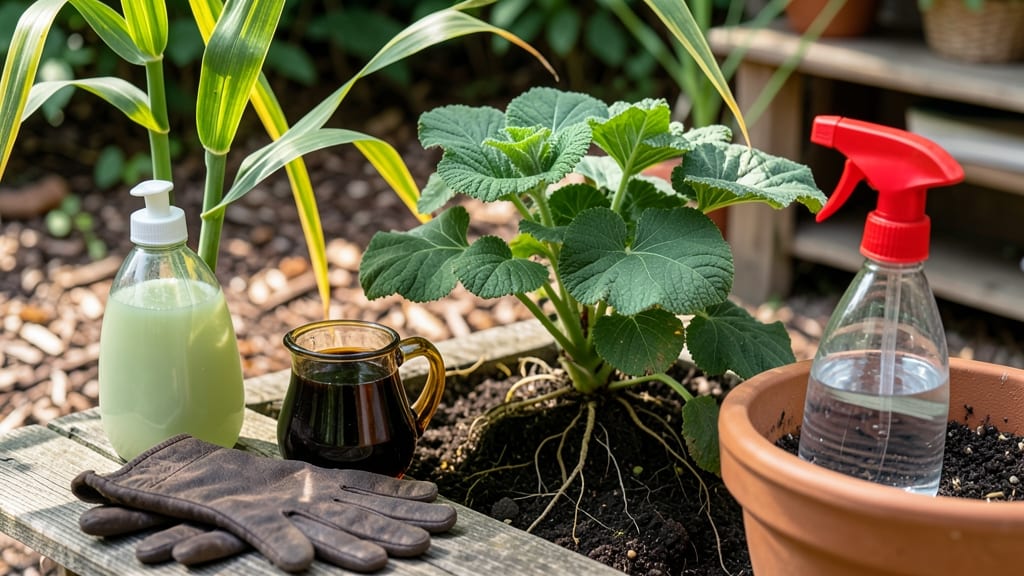
Molasses in the garden improves soil fertility by feeding beneficial microbes, enhances plant growth through nutrient availability, and acts as a natural pest repellent when diluted properly. Apply sparingly to avoid overfeeding microbes or attracting insects.
Molasses acts like a natural fertilizer booster by stimulating microbial activity in the soil. When microbes break down the sugars in molasses, they release nutrients like nitrogen, phosphorus, and potassium that plants can easily absorb. 🌱 This process also strengthens plant roots and helps them resist diseases better.
For pest control, a diluted molasses solution can be sprayed on leaves to create an environment that deters harmful insects while supporting beneficial ones.
To use it effectively, mix 1-2 tablespoons of molasses per gallon of water—this concentration works for both soil drenching and foliar sprays. The key is to apply it in early spring or late summer when pests are most active, but avoid overuse since too much can attract unwanted insects.
Pairing it with compost or other organic fertilizers maximizes its benefits for your garden's long-term health.
💡 In This Article
- How Molasses Feeds Soil Microbes and Strengthens Plant Health
- Best Ways to Apply Molasses for Pest Control and Soil Fertility
How molasses feeds soil microbes and strengthens plant health
Molasses acts as a microbial powerhouse because it contains natural sugars that microbes devour like a five-star buffet. When you apply it to soil, beneficial bacteria and fungi—like Pseudomonas and Trichoderma—ferment these sugars, producing organic acids that break down complex nutrients into forms plants can absorb.
This process, called microbial respiration, releases nitrogen, phosphorus, and potassium in a slow, steady stream, unlike synthetic fertilizers that often cause nutrient spikes and runoff.
The magic happens at the microscopic level: molasses triggers a chain reaction where microbes multiply rapidly, creating a thriving ecosystem that outcompetes harmful pathogens. Studies show that soils treated with molasses develop 30-50% more beneficial microbial biomass within weeks, leading to stronger root systems and better nutrient uptake.
For example, tomatoes grown in molasses-amended soil exhibit 20% larger root masses and 15% higher fruit yields compared to untreated plots. The sticky texture of molasses also helps it cling to soil particles, ensuring microbes stay fed longer.
This microbial boost doesn't just feed plants—it armor them against stress. The organic acids produced during fermentation create a slightly acidic soil environment (pH 6.0-6.5), which suppresses fungal diseases like powdery mildew and root rot.
Plants grown in molasses-rich soil show 40% fewer disease symptoms because the microbial community produces natural antibiotics. Think of it like a biological immune system for your garden, where beneficial microbes act as the first line of defense against pests and pathogens.
However, the process requires balance. Too much molasses (over 2 tablespoons per gallon) can overwhelm microbes, leading to fermentation byproducts like ethanol that may harm plants. The ideal ratio is 1-2 tablespoons per gallon of water, applied as a soil drench or foliar spray.
For best results, mix it with compost tea or worm castings—this combo provides both quick microbial fuel and long-term organic matter to sustain the ecosystem.
Timing matters too: apply molasses in early spring to jumpstart microbial activity before planting, or in late summer to boost fall crops. The key is consistency—regular small doses keep microbes active without causing imbalances.
For example, a monthly application during growing season maintains optimal microbial populations, while a single heavy dose might create a temporary sugar rush followed by a crash.
What most gardeners don't realize is that molasses also improves soil structure. As microbes break it down, they produce glomalin—a sticky glycoprotein that binds soil particles into stable aggregates.
This creates better aeration and water retention, reducing compaction and erosion. 🌱 The result? Plants develop deeper roots that access nutrients more efficiently, even in less-than-ideal soil conditions.