
Fertilization
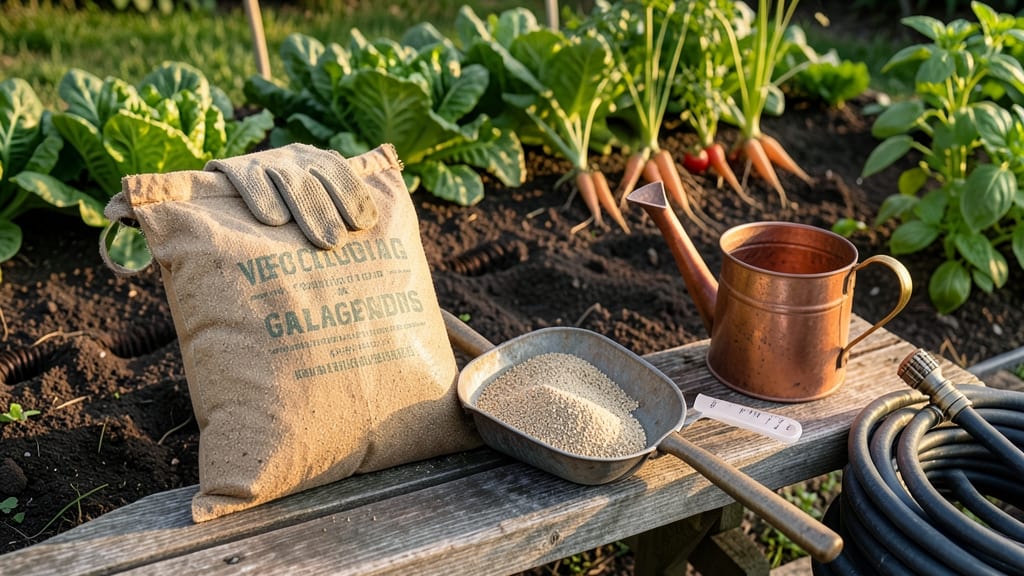
Calculating how much fertilizer for garden requires balancing plant needs with soil conditions—begin with 1 pound of 10-10-10 fertilizer per 100 square feet for annuals, reduce to half that amount for perennials, and always verify with soil tests to prevent over-application or nutrient burn.
Figuring out the right amount of fertilizer for garden isn't one-size-fits-all—it's about matching your plants' hunger with what your soil can handle. 🌱 For example, heavy feeders like tomatoes or peppers might need extra nitrogen early in the season, while flowering plants benefit more from phosphorus.
I always recommend testing your soil first because clay-heavy soil holds nutrients differently than sandy loam, which might need more frequent but lighter applications. The key is observing your plants: yellowing leaves often signal nitrogen deficiency, while crispy brown edges mean you've overdone it.
Another pro tip is to split applications throughout the growing season. Spring focuses on nitrogen for leafy growth, summer shifts to phosphorus for blooms, and fall adds potassium to strengthen roots.
Organic options like composted manure or worm castings provide slow-release nutrients that mimic natural soil ecology—perfect if you're avoiding synthetic chemicals. Just remember: less is often more with fertilizers, especially in established gardens where soil already has residual nutrients.
💡 In This Article
- Fertilizer Application Rates by Plant Type and Soil Conditions
- Testing Soil and Adjusting Fertilizer for Garden Health
Fertilizer application rates by plant type and soil conditions
Understanding how much fertilizer for garden works starts with recognizing that different plants have unique nutritional needs. For instance, vegetables like tomatoes and peppers are heavy nitrogen feeders during early growth but shift toward phosphorus as they fruit.
A 10-10-10 balanced fertilizer applied at 1 pound per 100 square feet works well for annuals, but you'll need to adjust for specific stages—like adding 20-20-20 (higher phosphorus) when flowers appear.
Perennials and shrubs, however, typically require only half that amount because their root systems are established and less aggressive in nutrient uptake.
The soil's texture and organic matter content dramatically alter how nutrients behave. Sandy soil drains quickly, so nutrients like nitrogen wash away within days unless you use slow-release granules or organic matter like compost.
In contrast, clay soil holds nutrients tightly, which can lead to buildup and potential toxicity if over-fertilized. A simple test is to squeeze a handful of moist soil—if it crumbles easily, it's likely sandy; if it forms a tight ball, it's clay.
Adjusting application rates by 20-30% based on soil type prevents over- or under-fertilization, ensuring plants absorb what they need without waste.
Granular fertilizers spread evenly across the soil surface and watered in work best for established gardens, while liquid fertilizers dissolve quickly and are ideal for container plants or immediate nutrient boosts.
For example, a 5-gallon container of soil might need only 1 teaspoon of granular 10-10-10 per feeding, but the same container would require 1 tablespoon of liquid fertilizer mixed into water. The key is consistency—granular feeds last 6-8 weeks, while liquids need weekly applications during peak growth seasons.
Seasonal adjustments are critical too. Early spring focuses on nitrogen for leafy growth, but by midsummer, phosphorus becomes priority for flowering plants like roses or vegetables. Trees and shrubs often thrive on a fall application of potassium-rich fertilizer (like 5-10-10) to strengthen roots before winter dormancy.
Overlooking these shifts can lead to lush foliage but poor fruiting—a common mistake in vegetable gardens where gardeners prioritize green growth over reproductive stages.
Visual cues help fine-tune your approach. Dark green leaves with slow growth signal nitrogen deficiency, while crispy leaf edges or yellowing between veins indicate over-fertilization. For flowers, weak stems or sparse blooms often mean phosphorus is lacking.
By observing these signs and adjusting rates—like reducing nitrogen by 50% if leaves are already vibrant—you'll create a balanced ecosystem that mirrors natural nutrient cycles. 🌿
Consider this real-world example: A 10x10-foot vegetable bed (100 square feet) planted with tomatoes, peppers, and basil might start with 1 pound of 10-10-10 in early spring. After the first harvest, switch to 0.5 pounds of 5-10-10 to support fruiting.
Meanwhile, nearby marigolds (which are light feeders) might only need 0.25 pounds of the same fertilizer spread lightly around their base. This precision ensures each plant gets exactly what it needs without competition or waste.