
Vegetables
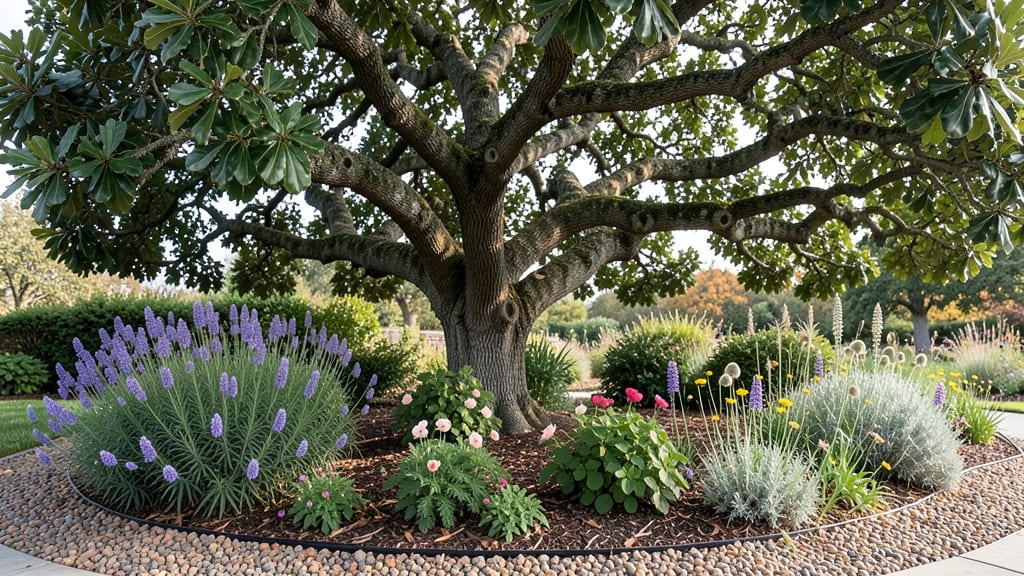
The Mendocino CA Botanical Gardens showcases breathtaking seasonal displays, native California plants, and serene coastal trails winding through vibrant landscapes. This year-round destination features rare botanical collections, themed gardens, and guided nature walks perfect for plant enthusiasts.
This coastal garden stands out for its carefully curated collections that highlight California's unique ecosystems. 🌿 The Coastal Garden features salt-tolerant plants thriving near the ocean, while the Redwood Grove offers a magical forest experience with towering ancient trees.
What makes it special is how the gardens transform with each season—spring brings wildflower meadows, summer showcases drought-resistant species, and autumn delivers fiery foliage displays. The hidden trails provide peaceful exploration opportunities away from crowded tourist spots, making it ideal for both casual visitors and serious plant lovers.
The gardens also serve as an educational resource, with expert-led tours that explain the ecological relationships between different plant species. Whether you're visiting for the vibrant blooms or the tranquil trails, the Mendocino CA Botanical Gardens offers a refreshing escape into nature's beauty. 🌸
💡 In This Article
- Exploring Mendocino Botanical Gardens' Unique Plant Collections
- Best Times to Visit Mendocino Botanical Gardens for Peak Blooms
Exploring mendocino botanical gardens' unique plant collections
What sets Mendocino Botanical Gardens apart is its meticulously curated collection of 1,200+ plant species, including rare native California flora and globally significant specimens. The gardens prioritize plants adapted to the region's unique microclimates—from foggy coastal areas to inland valleys.
For example, the Coastal Garden features 20+ salt-tolerant species like Arctostaphylos (manzanita) and Eriogonum (wild buckwheat), which thrive in the salty, windy conditions near the ocean. These plants have evolved specialized leaves to reduce water loss, like the thick, waxy coatings you can see under magnification.
The Redwood Grove is another standout, home to 300-year-old coast redwoods reaching heights of 200+ feet.
These ancient trees create a cathedral-like canopy that filters light differently than open meadows, creating a cooler, more humid microclimate perfect for ferns and mosses. 🌲 The gardens also feature a Native Grassland section where you'll find Nassella pulchra (purple needlegrass), a species critical to California's ecosystem that once covered 50% of the state before agriculture.
The rhythmic sway of these grasses creates a mesmerizing visual rhythm when the wind blows.
Seasonal transformations are a highlight—spring brings 15+ species of wildflowers like Lupinus albifrons (silky lupine) in vibrant purples and yellows, while summer showcases drought-resistant succulents that store water in their leaves. The Autumn Garden features Clevelandia ios (Cleveland sage) with its aromatic foliage that releases citrusy scents when brushed.
These seasonal changes aren't just beautiful; they demonstrate real ecological processes like phenology—the study of how plants time their life cycles with environmental cues.
What most visitors don't realize is how the gardens use plant pairings to demonstrate ecological relationships. For instance, the Hummingbird Garden combines Penstemon spectabilis (beardtongue) with Salvia spathacea (hummingbird sage) to show how these plants co-evolved with specific pollinators.
The tubular flowers attract hummingbirds whose long beaks access the nectar while spreading pollen. This 300-million-year-old plant-animal relationship is visible in action during spring migrations when these birds visit in droves.
The gardens also feature rare conifers like Pinus radiata (Monterey pine) and Sequoia sempervirens (coast redwood) that were nearly extinct in the wild. Conservation efforts here focus on seed banking and controlled pollination to maintain genetic diversity.
You can see these techniques in action during the weekend workshops where garden staff demonstrate how they propagate endangered species. The 10,000-square-foot greenhouse plays a crucial role in these efforts, maintaining optimal 65-75°F temperatures and 70-80% humidity for delicate propagation.
For the most immersive experience, consider the hidden trail system that winds through these collections. The 0.75-mile Hidden Trail connects themed gardens while offering unexpected views of the Russian River Valley in the distance.
Along the way, you'll encounter mycorrhizal relationships—symbiotic connections between plant roots and fungi—that enhance nutrient uptake. These invisible networks are what allow many of these plants to thrive in the nutrient-poor soils characteristic of coastal California. 🌿