
Tools
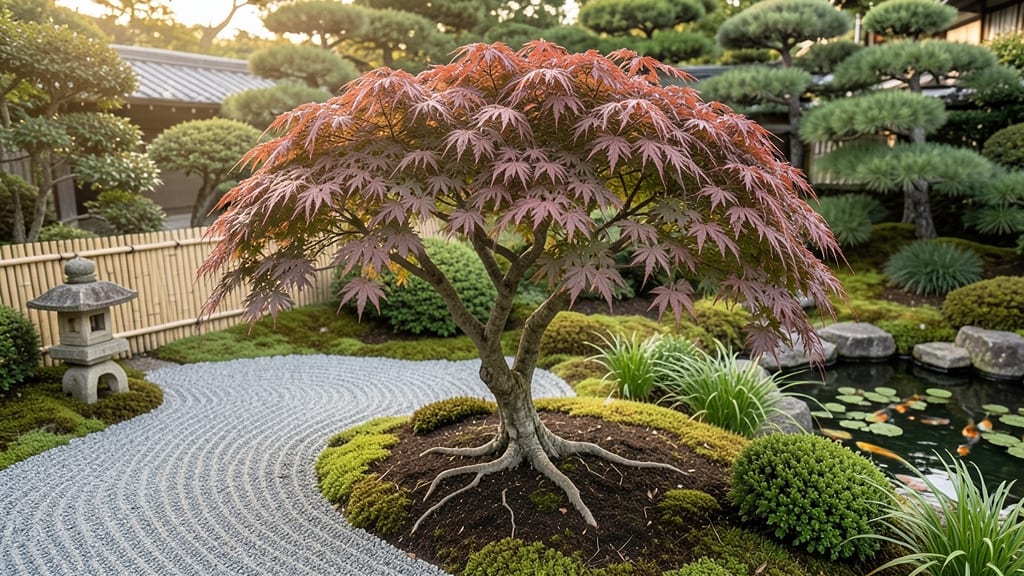
Japanese gardens in Staten Island provide peaceful retreats through spaces like the Greenbelt Native Plant Center’s Zen-inspired pathways and Snug Harbor Cultural Center’s seasonal koi ponds, combining local plant life with authentic Japanese aesthetics for year-round relaxation.
These gardens stand out because they adapt traditional Japanese techniques to Staten Island's climate and available plant species. 🌿 The Greenbelt Center, for example, incorporates native shrubs like witch hazel alongside classic maples, while Snug Harbor's koi ponds reflect the island's coastal geography with carefully placed rocks and waterfalls.
Many visitors are surprised to find how accessible these spaces are—most require just a short drive from the ferry terminals, making them perfect for a quick escape from city life.
The real magic happens in how these gardens balance cultural authenticity with local practicality. 🍃 While maintaining elements like lantern-lit pathways and raked gravel, designers here prioritize low-maintenance plants that thrive in Staten Island's humid summers and occasional salt spray from nearby waterways.
This thoughtful adaptation ensures the gardens remain vibrant throughout all four seasons, offering something special whether you visit during cherry blossom season or quiet winter reflection.
💡 In This Article
- Design Principles Behind Staten Island’s Japanese Gardens
- Best Times to Visit Staten Island’s Japanese-Inspired Gardens
Design principles behind Staten Island’s Japanese gardens
At the heart of Staten Island's Japanese gardens lies the wabi-sabi philosophy, which embraces imperfection and transience as sources of beauty. Unlike the meticulously manicured gardens of Kyoto, local designers here incorporate natural irregularities—like slightly uneven stones or weathered wood—to create spaces that feel organic and timeless.
The Greenbelt Native Plant Center's Zen sections, for example, use raked gravel patterns (called kare-sansui or "dry landscapes") that mimic wind-blown sand, a technique borrowed from 15th-century Japanese tea gardens but adapted for Staten Island's clay-heavy soil.
Water features play a crucial role in these gardens, but with a Staten Island twist. Traditional Japanese gardens often use ponds shaped like islands to symbolize the connection between heaven and earth, but here, designers incorporate coastal elements like miniature waterfalls that mimic local topography.
At Snug Harbor's koi ponds, the water flows in gentle curves rather than straight lines—a nod to shakkei (borrowed scenery)—while the rocks are strategically placed to create natural barriers that prevent salt spray from damaging the plants during winter storms. 🌊 The koi themselves are carefully selected for cold-water tolerance, with varieties like the Niigata koi that thrive in temperatures down to 35°F.
The integration of native flora is where Staten Island's gardens truly shine. While classic Japanese gardens rely on imported species like Japanese maples (Acer palmatum), local designers here blend these with hardy native plants that require less water and maintenance.
The Greenbelt Center, for instance, uses witch hazel (Hamamelis virginiana) alongside traditional maples because it blooms in late winter, providing color when many other plants are dormant.
This hybrid approach not only reduces upkeep but also creates a more resilient ecosystem that can handle Staten Island's humid summers and occasional salt exposure from nearby waterways.
Another key adaptation is the use of seasonal plant rotations.
In Kyoto, gardeners might plant wisteria that blooms in spring, but in Staten Island, designers incorporate clethra (Clethra alnifolia)—a native shrub that produces fragrant white flowers in late summer when many traditional Japanese plants have finished blooming.
The result is a garden that feels authentically Japanese while remaining vibrant throughout all four seasons, with something new to discover in each visit. 🌸
Lighting plays a subtle but important role in these gardens, particularly during evening visits. Unlike the dramatic lantern lighting of Kyoto's temples, Staten Island's gardens use solar-powered LED lights embedded in the gravel paths, casting a soft glow that enhances the wabi-sabi aesthetic without overwhelming the natural surroundings.
This practical choice also aligns with the island's focus on sustainability, using energy-efficient solutions that don't require extensive wiring or maintenance.
What makes these gardens unique is how they preserve Japanese traditions while solving local challenges. For example, the use of decorative stones (tobi-ishi)—often brought from Japan—is balanced with locally sourced bluestone that requires less frequent replacement due to Staten Island's climate.
This thoughtful adaptation ensures that visitors can experience the tranquility of a Japanese garden without the high maintenance typically associated with such spaces. 💫