
Landscaping
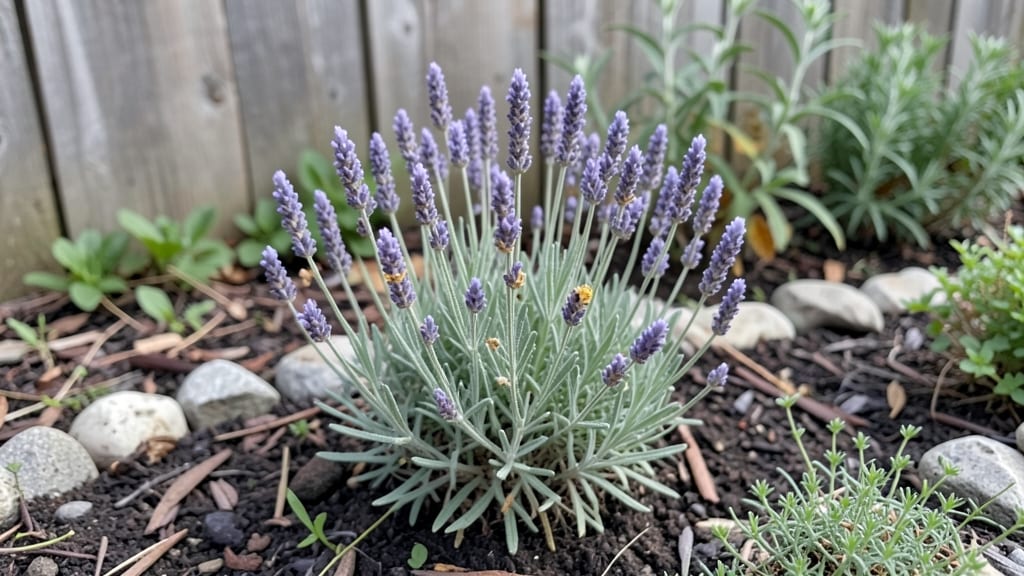
A memorial garden design becomes a quiet place where love lingers in every stone and leaf. ✨ I still remember the first time I walked through one—how the scent of lavender and the rustle of ornamental grasses made grief feel lighter, not heavier.
This isn't just about planting; it's about creating a space where memories grow alongside the plants.
The beauty of these gardens lies in their simplicity: a mix of evergreen shrubs for year-round presence, wildflowers that bloom in waves, and smooth stones to spell out names or dates.
You don't need a large yard—even a small corner with a bench and a few favorite plants can become a sanctuary. The key is choosing plants that thrive in your climate and hold meaning for the person being honored.
What you'll end up with is a living tribute that evolves with the seasons. The first spring after planting will bring bursts of color, summer will fill the air with fragrance, and autumn leaves will create a natural carpet of gold and red.
It's a place to sit, remember, and find peace without the weight of traditional memorials.
Whether you're designing for a loved one or creating a personal reflection space, this approach works for any size or budget. The most meaningful gardens often start small—just like the memories they honor.
📚 In This Guide
- What you need
- Instructions
- Tips and common mistakes
- Wrapping up and next steps
What you need
- ● Soil & Mulch: Topsoil (2–4 cubic yards, depending on garden size)
- ● Organic mulch (cedar or pine, 2–3 bags)
- ● Plants & Flora: Perennials (e.g., lavender, roses, or coneflowers—5–10 plants)
- ● Shrubs or small trees (1–3, depending on space)
- ● Ground cover (e.g., creeping thyme or clover, 1–2 bags)
- ○ Optional: Memorial-specific plants like peace lilies or white flowers for symbolism
- ● Hardscaping Elements: Gravel or pavers (1–2 bags, for pathways or borders)
- ● Decorative stones (e.g., river rocks or slate, 5–10 lbs)
- ● Wooden or metal bench (1, for seating)
- ● Memorial plaque or engraved stone (1, customizable)
- ● Tools: Shovel & spade (1 each)
- ● Garden trowel (1)
- ● Wheelbarrow (1, for hauling materials)
- ● Pruners & gloves (1 pair each)
- ● Level & measuring tape (1 each)
- ● String & stakes (for layout, 1 roll)
- ● Wind chimes or solar lights (for ambiance)
- ● Personalized garden art (e.g., sculptures, mosaics, or framed photos)
- ● Water feature (small fountain or birdbath)
- ● Seasonal flowers (e.g., tulips or daffodils for spring)
Step-by-step memorial garden design for lasting peace
Here’s how to craft a garden that honors memories with thoughtful design and timeless beauty.
🪴 Step 1: Define the Garden’s Purpose and Layout
Start by sketching a rough design on paper. I like to begin with a central focal point—whether it’s a bench, a small statue, or a tree—then build outward from there. Consider the size of the space: a 10×10-foot area works well for intimate seating, while larger plots can accommodate pathways or multiple seating spots.
Think about sunlight patterns—where does the light hit at different times of day? Place seating or memorial elements in spots where sunlight will linger, creating a peaceful atmosphere. If privacy is important, add shrubs or tall grasses along borders to create a natural enclosure.
☀️ Step 2: Select Plants for Meaning and Longevity
Choose plants that hold personal significance or symbolize memories. Evergreens like boxwood or yew provide year-round structure, while perennials such as lavender or coneflowers add seasonal color without annual replanting.
Incorporate native plants—they require less water and thrive in your local climate. For example, black-eyed Susans or purple coneflowers attract pollinators and bloom for months. If you want fragrance, roses or gardenias add a sensory layer that deepens the experience.
🌱 Step 3: Add Memorial Elements with Intention
Place engraved stones, plaques, or small sculptures where they’ll be seen but not overwhelmed by foliage. A simple stone path (using stepping stones or gravel) invites visitors to walk mindfully through the space. If you’re including plants as memorials, label them with names or dates—this turns the garden into an evolving tribute.
Add water features like a small fountain or bubbling stone for soothing sounds. Even a birdbath can attract wildlife and create a calming presence. Keep water elements low-maintenance—a solar-powered fountain or a self-contained bubbler reduces upkeep while adding tranquility.
✂️ Step 4: Layer Textures and Materials Thoughtfully
Mix soft materials like mulch or wood chips with hard elements such as stone or metal for contrast. A gravel path contrasts with a wooden bench, while smooth river rocks add natural texture. Avoid overcrowding—leave space for visitors to sit, reflect, or simply enjoy the surroundings.
Include seasonal interest with plants that offer something in every season: spring bulbs (daffodils or tulips), summer blooms (roses or hydrangeas), fall foliage (maple or oak leaves), and winter structure (evergreens or bare branches with berries). This ensures the garden remains meaningful year-round.
💧 Step 5: Maintain the Garden as a Living Tribute
Water deeply once a week (or as needed) to establish roots, then taper off to every 10-14 days once plants are established. Use drip irrigation or soaker hoses to deliver water slowly at the base of plants—this prevents runoff and keeps the soil evenly moist.
Prune dead or overgrown branches in early spring to encourage new growth. Weed regularly but gently—pull weeds when the soil is moist to avoid disturbing plant roots. A 5-minute weekly check keeps the garden looking intentional and well-cared-for.
Tips & tricks for perfect memorial garden design
Creating a meaningful memorial garden goes beyond just planting—it's about intentionality and lasting beauty.
Central Focal Point: Your garden's heart should be something that draws visitors in and invites reflection. I always choose a focal point that holds personal significance, like a weathered bench or a small statue, and position it where it'll be the first thing people notice when entering the space. This creates an immediate emotional connection. For a 10×10-foot area, a single focal point works beautifully—it prevents the space from feeling cluttered while still providing a clear centerpiece.
Sunlight Strategy: Observe your garden throughout the day to understand how sunlight moves across the space. Morning sun creates gentle, warm lighting perfect for peaceful reflection, while afternoon sun can be more intense. Place seating areas where sunlight lingers in the evening—this creates a magical ambiance during sunset hours. If privacy is important, use tall grasses or shrubs along borders to naturally screen the space while still allowing light to filter through.
Seasonal Layering: The magic happens when your garden remains meaningful year-round. I recommend planting a mix of evergreens like boxwood or yew for structure, along with seasonal plants that offer something different each month. For example, spring bulbs like daffodils will bloom first, followed by summer roses, then fall foliage from maple leaves, and finally winter structure from bare branches with berries. This creates a living timeline that evolves with the seasons.
Low-Maintenance Water Features: Water elements add incredible tranquility without requiring constant upkeep. Solar-powered fountains or self-contained bubblers are perfect—they create soothing sounds while being completely hands-off. Place them near seating areas where the sound can be fully appreciated. Even a simple birdbath can attract wildlife and add life to your garden. The key is choosing elements that complement the natural flow of your space rather than overwhelming it.
Pro Tips for Memorial Garden Design
- Creating a meaningful memorial garden goes beyond just planting—it's about intentionality and lasting beauty.
- Central Focal Point: Your garden's heart should be something that draws visitors in and invites reflection.
- Sunlight Strategy: Observe your garden throughout the day to understand how sunlight moves across the space.
Frequently asked questions
Got questions about designing a memorial garden? You’re in the right place! Here are answers to some of the most common inquiries to help you plan with confidence.
How long does it take to design and install a memorial garden?
The timeline depends on complexity, but most projects take 4–12 weeks from concept to completion. Smaller gardens or DIY projects (like planting a single tree or bench) can be done in 2–4 weeks. Larger installations with custom pathways, water features, or sculptures may take longer due to permits, material sourcing, and professional labor. Pro tip: Start with a rough sketch to set realistic expectations!
What are some low-maintenance alternatives to traditional memorial gardens?
If upkeep is a concern, consider these easy-care options:
- Gravestone gardens: A simple bed with native plants, mulch, and a single bench or plaque.
- Memorial benches or trees: A standalone bench or tree planted in a small plot with minimal landscaping.
- Vertical gardens: Wall-mounted planters with drought-resistant succulents or herbs.
- Gravel or stone gardens: Low-growing plants (like creeping thyme) paired with decorative gravel for drainage and reduced watering.
When is the best time of year to plant a memorial garden?
The ideal planting time depends on your climate, but spring or fall are safest bets for most regions. In cooler climates, early spring (after the last frost) lets plants establish roots before summer heat. In warmer areas, fall planting avoids summer drought stress. Evergreens or perennials (like lavender or ornamental grasses) can also be planted in late winter if the soil isn’t frozen. Pro tip: Check local frost dates and soil temperatures to time your planting perfectly!
What should I do if my memorial garden plants aren’t thriving?
Don’t worry—troubleshooting is often simple! Start with these fixes:
- Check watering: Overwatering or underwatering are top culprits. Most plants need 1–2 inches of water per week, including rain.
- Assess sunlight: Move shade-loving plants to a sunnier spot (or vice versa) if they’re wilting.
- Soil health: Test your soil’s pH (most memorial plants prefer 6.0–7.0). Amend with compost if it’s too sandy or clay-heavy.
- Pest control: Use organic sprays or companion plants (like marigolds) to deter insects.
Can I incorporate personal touches beyond plants and flowers?
Personalization adds meaning and beauty. Consider these ideas:
- Custom engravings: Add a plaque, bench, or stepping stone with names, dates, or meaningful quotes.
- Lighting: Solar-powered pathway lights or lanterns create a peaceful evening ambiance.
- Water features: A small fountain or birdbath attracts wildlife and adds a soothing sound.
- Memory items: Display photos in a shadow box near the garden or plant a tree with their favorite flowers.
Wrapping up and next steps
A memorial garden isn’t just a space—it’s a living tribute that honors love, memories, and resilience. Whether you choose serene water features, fragrant flowers, or symbolic stones, every element tells a story and offers solace. 🌿
Now that you’re inspired, take the next step: sketch your vision, gather materials, and start small. Even a single plant or a hand-carved bench can become the heart of your sanctuary. Your loved one’s legacy deserves beauty—and you’re the artist.