
Advice
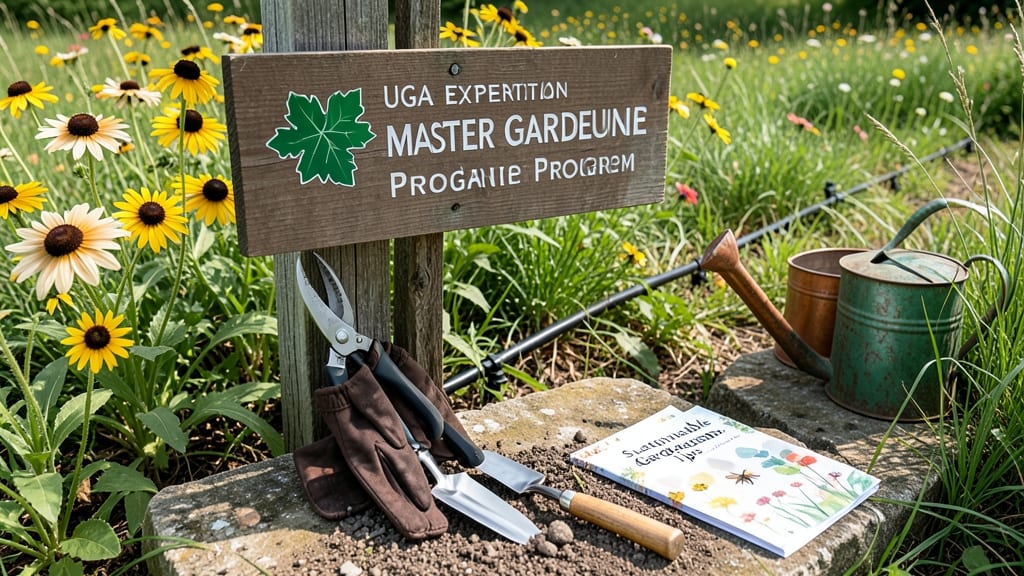
The Master Gardener Program in Georgia trains volunteers to extend UGA Extension’s horticulture knowledge, requiring 50+ hours of coursework, passing an exam, and completing 50 volunteer hours annually. Applications open seasonally through local UGA Extension offices.
The Master Gardener Program in Georgia is a hands-on way to deepen your gardening expertise while giving back to your community. 🌱 This initiative, backed by the University of Georgia Extension, focuses on evidence-based techniques that help home gardeners tackle real-world challenges—from pest control to soil health.
What sets it apart is the blend of classroom learning and practical application, ensuring you're not just memorizing facts but truly mastering skills you can use in your own garden or share with others.
Once accepted, participants dive into a curriculum covering everything from plant physiology to sustainable landscaping, all while connecting with fellow gardening enthusiasts. The program also opens doors to networking opportunities with local agricultural experts, making it a win for both personal growth and community impact.
💡 In This Article
- Georgia Master Gardener Training Curriculum and Requirements
- Step-by-Step Guide to Applying for Georgia’s Master Gardener Program
Georgia Master Gardener training curriculum and requirements
The 50-hour training curriculum in Georgia’s Master Gardener Program is designed to transform passionate gardeners into knowledgeable educators. The program covers eight core modules, each diving deep into UGA Extension’s research-backed methods.
You’ll spend 6-8 hours on plant science, exploring topics like photosynthesis and how nutrients move through plants—think of it as gardening at the molecular level. 🌱 The soil science section, another 6-hour block, teaches you to read soil tests like a pro, understanding pH levels and how to amend clay-heavy Georgia soils (which can have pH swings from 4.5 to 7.5 depending on the region).
Pest management gets serious attention with 8 hours dedicated to integrated approaches, including biological controls and organic solutions. You’ll learn how to identify pests by their damage patterns (like the distinctive lace-like holes of squash vine borers) and when chemical interventions are truly necessary.
The curriculum also emphasizes sustainable practices, with 4 hours on water conservation techniques—critical in Georgia’s variable climate where rainfall can range from 30 inches in the north to 50+ inches in the south.
Each module includes hands-on labs where you’ll practice skills like taking soil samples or diagnosing plant diseases using a microscope.
The program’s final exam tests your mastery through a combination of multiple-choice questions and practical scenarios. For example, you might receive a soil sample and be asked to recommend amendments based on its test results, or identify a diseased plant from a photo.
Study resources include UGA Extension’s digital library (with over 2,000 gardening publications) and weekly review sessions led by extension agents.
What’s unique is the program’s focus on real-world application—your final project requires developing an educational plan for your community, whether that’s leading a workshop on native plants or creating a school garden curriculum.
Advanced topics like organic gardening and sustainable landscaping are woven throughout the curriculum, with special emphasis on Georgia-specific challenges.
You’ll learn how to create pollinator-friendly gardens that thrive in our USDA Hardiness Zones 7-9, and how to design landscapes that reduce water usage by up to 30% compared to traditional turf lawns.
The program even covers urban gardening solutions, addressing how to grow food in containers on city balconies where soil quality can be 50% poorer than rural areas. 🌿 These practical applications ensure you’re not just learning theory but gaining skills directly applicable to Georgia’s diverse gardening environments.
One often overlooked aspect is the program’s emphasis on communication skills. You’ll receive 4 hours of training on how to present gardening information clearly to diverse audiences—whether you’re teaching a group of seniors or schoolchildren.
This preparation is crucial because Master Gardeners often serve as the public face of UGA Extension, answering calls through the Georgia Gardening Hotline or leading community workshops. The curriculum includes role-playing exercises where you practice explaining complex concepts (like mycorrhizal fungi relationships) in simple terms.
For those who want to go further, Georgia offers advanced certifications in specific areas like vegetable production or turf management, requiring additional 10-15 hours of specialized training.
These certifications allow you to become a go-to expert in your community, whether you’re helping farmers market their produce or advising homeowners on lawn care.
The program’s flexibility means you can tailor your learning to your interests while maintaining the core requirements that make Master Gardeners so effective in their roles.