
Lawn
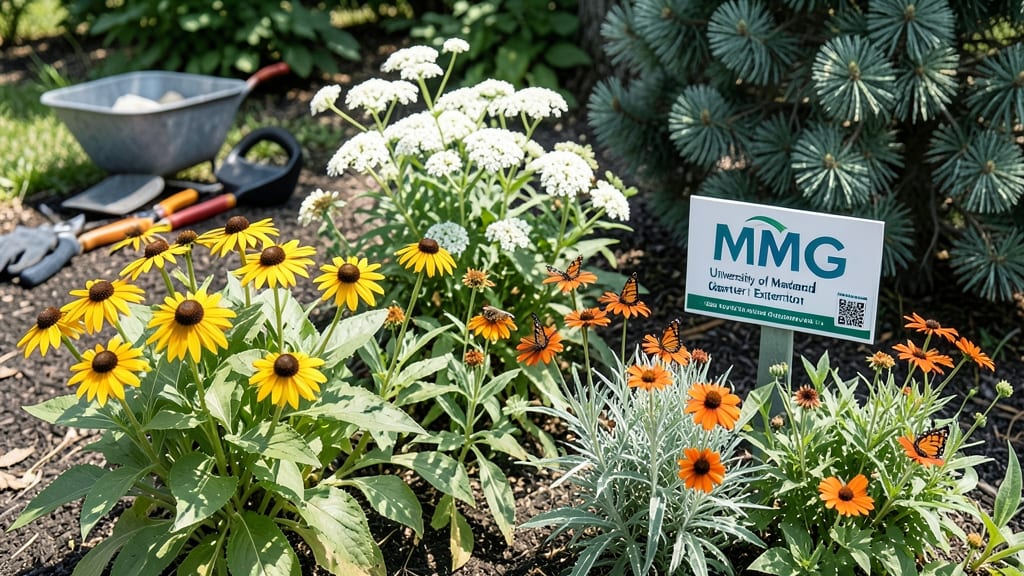
Maryland Master Gardeners offers gardening training and volunteer programs that help enthusiasts share horticulture expertise with local communities through education, plant clinics, and sustainable gardening projects. To participate, you'll need to pay a fee, pass a background check, and commit to completing required service hours.
The Maryland Master Gardeners program transforms passionate gardeners into certified volunteers who can tackle real community needs. 🌱 Whether you're a seasoned horticulturist or just eager to learn, the training covers everything from plant science to sustainable landscaping techniques.
This isn't just about gardening—it's about creating healthier environments through education and hands-on projects that benefit schools, parks, and low-income neighborhoods.
What sets this program apart is its practical focus. You'll learn diagnostic skills to help homeowners solve garden problems, plus how to run workshops that make gardening accessible to everyone.
The program's reach extends beyond your backyard, with volunteers often working on large-scale projects like community gardens or invasive species removal that have measurable environmental impacts.
💡 In This Article
- Master Gardener Training Program Requirements
- Volunteer Roles and Community Impact
Master Gardener training program requirements
The Maryland Master Gardener training program is a rigorous 60-hour course designed to equip volunteers with science-based horticulture knowledge. You'll dive into subjects like plant pathology, soil science, and sustainable landscaping—topics that go far beyond basic gardening tips.
The curriculum includes hands-on labs where you'll learn to diagnose plant diseases and identify pests under microscopes, skills that directly translate to helping community members solve real garden problems.
Prerequisites are minimal but intentional: a $150 fee covers materials and program administration, while a background check ensures safety for all participants. What's required beyond that is enthusiasm and a willingness to learn—no prior degree in horticulture is necessary.
The program welcomes everyone from retirees with decades of gardening experience to young professionals eager to combine their green thumbs with community service. What makes this training unique is its balance of classroom learning and practical application, where you'll spend 40 hours in the field gaining real-world experience.
One standout feature is the emphasis on evidence-based gardening practices. You'll learn how to recommend plants suited to Maryland's climate zones, from the humid Piedmont region to the coastal plain areas.
The training covers integrated pest management (IPM) techniques that reduce chemical use while effectively controlling garden pests—a skill that's increasingly valuable as homeowners seek eco-friendly solutions. You'll also explore how gardening can address local environmental challenges, like restoring native plant habitats or managing stormwater runoff through rain gardens.
Time commitment extends beyond the initial training. After completing the course, you'll need to fulfill 40 hours of volunteer service within your first year to maintain certification. This requirement ensures you're applying what you've learned while giving back to your community.
The program's structure reflects its dual purpose: preparing you to be an effective volunteer while reinforcing your own horticultural expertise through continuous learning and hands-on practice.
What most people don't realize is how the training connects theory to real community needs. For example, you'll learn about food security initiatives and how to establish and maintain community gardens that provide fresh produce to food-insecure neighborhoods.
The curriculum includes modules on urban agriculture, where you'll discover how container gardening can transform small spaces into productive growing areas. This practical approach ensures your volunteer work has measurable impacts beyond just beautifying landscapes.
The program also teaches communication skills> essential for working with diverse audiences. You'll practice explaining complex horticultural concepts in accessible ways—whether you're answering questions at a plant clinic or leading a workshop for schoolchildren.
This focus on outreach ensures volunteers can effectively share their knowledge with people of all ages and backgrounds, making gardening more inclusive and impactful.
Here's what you can expect from the training experience: a mix of lectures, demonstrations, and field trips that bring horticulture science to life. You'll work with local experts, visit research stations, and collaborate with other trainees on group projects.
The program's small class sizes—typically 20-30 participants>—foster a supportive learning environment where you can ask questions and build connections that often lead to long-term volunteer partnerships. 🌱