
Vegetables
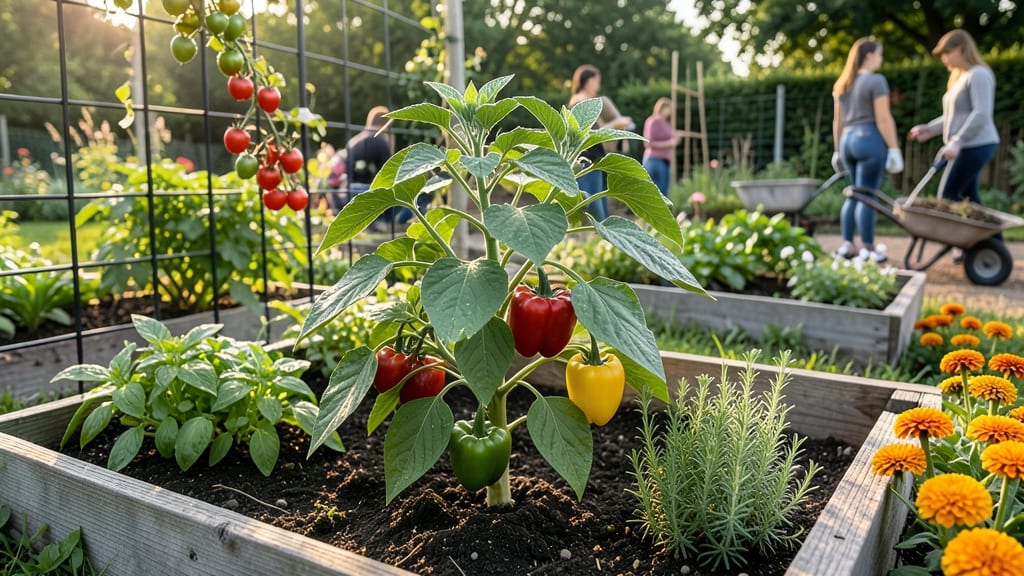
A Bell community garden thrives when you secure suitable land, recruit dedicated volunteers, establish clear guidelines through bylaws, and obtain quality seeds or starter plants. Ongoing care demands consistent watering, regular soil analysis, proactive pest management, and active community participation to maintain productivity and vibrancy.
A Bell community garden isn't just about growing vegetables—it's about building a neighborhood hub where people connect over shared goals. 🌱 The first challenge is finding the right space: look for land with good sunlight exposure, accessible water sources, and minimal contamination risks.
Once you've secured your plot, the real work begins with organizing volunteers who bring diverse skills—from gardening expertise to fundraising. I've seen gardens succeed when they treat volunteers like team members, assigning clear roles and recognizing contributions.
What sets thriving community gardens apart is their ability to adapt seasonally. In spring, focus on soil preparation and early planting, while summer brings challenges like pest control and irrigation management.
Many successful gardens implement a "garden mentor" system where experienced growers guide newcomers, creating a knowledge-sharing culture that keeps everyone engaged. The key to long-term success lies in balancing practical gardening tasks with social events that strengthen community bonds.
💡 In This Article
- Key Steps to Launching a Successful Community Garden
- Sustaining a Community Garden Through Seasonal Care
Key steps to launching a successful community garden
Securing the right land is your foundation—look for plots with at least 6-8 hours of direct sunlight daily, since bell peppers need full sun to thrive. Soil quality matters too: conduct a pH test (ideal range is 6.0-6.8) and amend with compost if organic matter is below 3-5%.
Many successful gardens partner with local parks departments or schools, which often provide land at reduced rates or even free. I’ve seen community gardens start with as little as ¼-acre plots that yield hundreds of pounds of produce annually when managed well.
Legal requirements vary by location but typically include permits for water use, liability waivers, and zoning approvals. For example, some cities require a community garden charter outlining rules for plot assignments and shared resources.
Budgeting is another critical step: initial costs often include soil amendments ($100-$300 per plot), irrigation systems ($500-$2,000 for drip systems), and tool sharing programs. One garden I worked with raised funds through a crowdfunding campaign tied to a "pay-what-you-can" produce stand, which also built early community support.
Volunteer coordination starts with defining roles—whether it’s plot maintenance, event planning, or seed saving. Use a sign-up sheet or app like SignUpGenius to track commitments.
For bell pepper cultivation specifically, assign 2-3 volunteers per plot to handle tasks like trellising (peppers benefit from vertical support), pruning, and monitoring for pests like aphids.
Clear communication is key: hold a kickoff meeting where you explain the garden’s vision, expected time commitments (4-6 hours/month for active plots), and how decisions will be made.
Drafting bylaws might sound dry, but it prevents conflicts later. Include policies on plot assignments (first-come, first-served or lottery?), shared tool use, and what happens if someone abandons their plot. Many gardens adopt a "use it or lose it" rule after 2-3 missed seasons to keep plots productive.
For bell peppers, specify whether members can choose varieties or if the garden will standardize to 3-4 types (like sweet, hot, and ornamental) to simplify pest management.
Sourcing seeds or starter plants is where the fun begins. For bell peppers, start with disease-resistant varieties like 'Carmen' (sweet) or 'Jalapeño M' if your climate has short summers. Buy seeds from reputable suppliers (e.g., Baker Creek Heirloom Seeds) or join seed swaps with local gardening groups.
Transplants should be 4-6 inches tall when planted out, and spacing is crucial: give bell peppers 18-24 inches between plants to prevent crowding and disease spread. I’ve found that planting in raised beds improves drainage and reduces soil-borne pathogens, which is especially important for peppers.
Don’t overlook the power of a grand opening event to kickstart engagement. Host a "Planting Day" with live music, free seedlings, and a potluck. Offer workshops on topics like "Companion Planting for Peppers" (e.g., basil repels pests) or "Preserving Your Harvest" to give members immediate skills.
The goal is to make gardening feel accessible—whether someone’s a green thumb or a first-timer. 🌿