
Pests
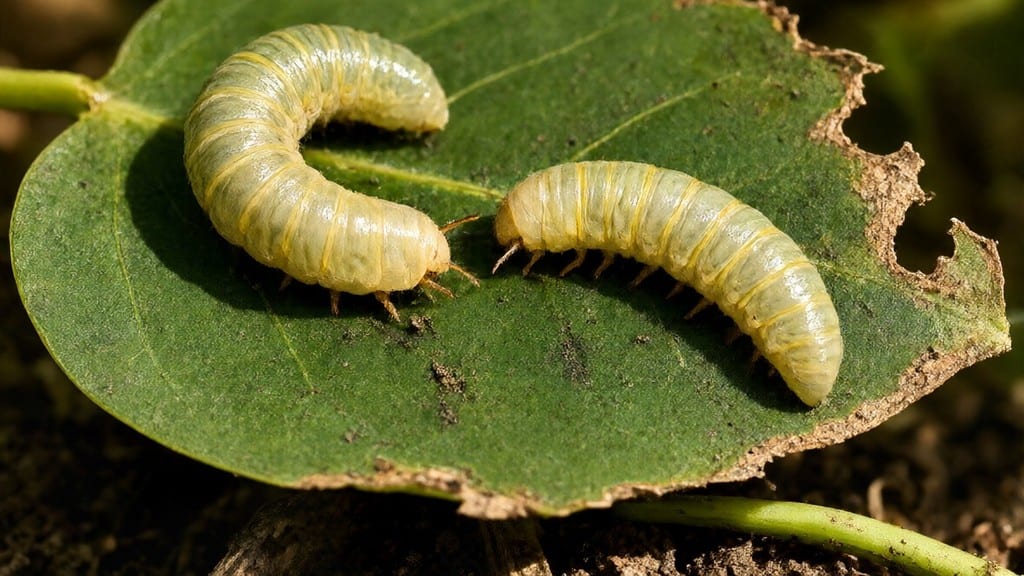
Large garden grubs aren't just pests—they're nature's protein powerhouses, and I've learned to see them as a sign my soil is thriving. 🌱 The first time I spotted these plump, white larvae wriggling in my compost pile, I panicked—until I realized they were actually doing me a favor by breaking down organic matter.
These squirming snacks are the larvae of beetles like June bugs or Japanese beetles, and they love rich, moist soil. While they might munch on roots, they're also a food source for birds, toads, and other beneficial critters.
The key is balancing their presence—too many, and they'll damage plants; just right, and they become part of a healthy garden ecosystem.
You'll find them most active in late summer when the soil is warm and damp, often near decaying wood or compost piles. Instead of reaching for chemicals, I've found that simple traps or encouraging their natural predators works better.
The result? A garden that stays balanced without losing its lush, green vibrancy.
Whether you're dealing with a sudden infestation or just curious about these wiggly wonders, understanding their life cycle helps you manage them without harming your garden's delicate balance. Let's turn those grubs from a nuisance into a natural part of your garden's story.
The Hidden Triggers Behind Grub Infestations
If your garden is suddenly crawling with large, wriggly grubs, it’s not just bad luck—it’s usually a sign that specific conditions have come together like a pest party invitation.
Understanding these triggers helps you take action before your lawn or plants become a buffet. Here’s what’s really luring them in:
🌱 Overwatered or Compacted Soil
Grubs thrive in soil that’s too moist or poorly aerated. When lawns are overwatered—especially in clay-heavy or poorly draining soil—the excess moisture creates the perfect wet sponge environment for grub larvae to burrow and feed.
Compacted soil (often from foot traffic or heavy machinery) also restricts root growth, making plants weaker and more attractive to grubs looking for an easy meal.
- Why it happens: Grubs need moisture to survive, and compacted soil traps both water and organic matter—two key grub appetizers.
- Actionable fix: Test soil drainage (dig a 6-inch hole; if water pools after 6 hours, you’ve got poor drainage). Aerate compacted areas in fall or spring to improve airflow and root access.
🍃 Excess Organic Matter in Lawns
Grubs are basically lawn vacuum cleaners—they feast on dead grass, thatch, and decomposing plant material. If your yard has thick layers of organic debris (like fallen leaves, clippings, or even old mulch), you’re essentially serving them a gourmet meal.
Over-fertilizing with nitrogen-rich products can also trigger a grub boom, as they’re drawn to the sudden food surge.
- Why it happens: Grubs prefer soft, nutrient-rich soil. Too much organic matter = more food = more grubs.
- Actionable fix: Reduce thatch buildup by dethatching in early spring. Use slow-release fertilizers and avoid nitrogen spikes in late summer/fall when grubs are most active.
🐛 Adult Beetles Laying Eggs in Ideal Conditions
Most grubs start life as eggs laid by beetles like Japanese beetles, June bugs, or European chafer beetles. These pests target stressed or healthy lawns—but they have a preference for warm, moist soil with plenty of organic matter.
If your yard is lush and well-watered in late spring/early summer (peak beetle season), you’re basically handing out a “Free Childcare” sign to these insects.
| Beetle Type | Egg-Laying Peak | Grub Hatching Time |
|---|---|---|
| Japanese Beetles | June–July | 2–3 weeks later |
| June Bugs | July–August | 4–6 weeks later |
| European Chafer | May–June | 3–4 weeks later |
Why it happens: Beetles use vibrations and scent to find the most hospitable soil. Warmth, moisture, and organic-rich zones = higher egg-laying success rates.
Actionable fix: Monitor adult beetles in late spring/early summer. Use traps (like pheromone traps for Japanese beetles) away from your lawn to avoid attracting more. Apply beneficial nematodes (like Heterorhabditis bacteriophora) in early summer to target eggs/larvae before they hatch.
🌡️ Warm, Stable Soil Temperatures
Grubs are cold-blooded—they’re most active when soil temps hover between 60–85°F (15–29°C). If your lawn stays in this “grub sweet spot” for weeks (common in humid climates or during heatwaves), they’ll explode in population.
Cool seasons slow them down, but sudden warmth in spring can wake them up early, leading to premature feeding frenzies.
- Why it happens: Grubs metabolize faster in warm soil, eating more and reproducing quicker.
- Actionable fix: Mulch lightly in fall to insulate soil and prevent rapid warming. Avoid late-summer watering that overheats the root zone.
💡 Pro Tip: The worst combo? Overwatered + warm + organic-rich soil = grub paradise. Break the cycle by testing soil moisture (stick a screwdriver in—if it goes in easily, you’re overdoing it) and mowing high (3–4 inches) to shade soil and reduce evaporation.
How to Treat & Prevent Garden Grub Damage
Discovering large garden grubs munching on your lawn or veggies can feel like an unwelcome invasion—but don’t panic! With the right approach, you can eliminate them effectively while keeping your garden thriving.
Below, we’ve mapped out targeted solutions based on the root cause of your grub problem, from quick fixes to long-term prevention. Let’s get your garden back in shape!
🔥 Overwatered Soil? Fix It with Drainage & Aeration
If your lawn feels soggy or grubs are thriving in compacted soil, the issue is likely excess moisture and poor drainage. Grubs love damp, airless environments—so let’s change that!
💦 Step 1: Improve Soil Drainage
- Test your soil: Dig a 6-inch hole. If water pools after 30 minutes, drainage is poor. 🌱
- Add organic matter: Mix in compost or sand (50/50 ratio) to loosen heavy clay soil.
- Use raised beds: For veggie gardens, raised beds with gravel layers at the bottom prevent waterlogging.
👨🍳 Step 2: Aerate the Lawn
- Rent a core aerator (or hire a pro) to pull out small soil plugs, letting air and water penetrate. 🪴
- Do this in spring or fall—avoid summer heat stress.
- Follow up with topdressing (a thin layer of compost or sand) to seal the holes.
✨ Prevention Tip:
Install a French drain or swales (shallow trenches) to redirect water away from problem areas. 💡
🍳 Lawn Too Lush? Adjust Watering & Mowing
Thick, green grass is a grub buffet—so if your lawn is over-fertilized or watered too often, grubs will move in. Let’s strike a balance!
🔥 Step 1: Reduce Watering Frequency
- Water deeply 1–2 times per week (early morning) instead of daily light sprinkles. 💧
- Avoid overhead irrigation—drip systems or soaker hoses work better.
- Let grass turn slightly brown in drought (it’s tougher for grubs to survive).
🪒 Step 2: Mow High & Leave Clippings
- Set your mower to 3–4 inches—taller grass shades out weeds and retains moisture without encouraging grubs. 🌿
- Leave grass clippings on the lawn (grasscycling) to return nutrients without adding excess nitrogen.
🎯 Prevention Tip:
Apply corn gluten meal in early spring—it’s a natural pre-emergent that disrupts grub egg hatching. ✨
🔪 Chemical Treatments: When to Use Them
If grubs have already caused damage (chewed roots, wilting plants), you may need targeted pesticides. But use them strategically to avoid harming beneficial insects.
🛡️ Step 1: Choose the Right Product
- Granular insecticides: Look for imidacloprid or chlorantraniliprole (e.g., Bayer Advanced Grub Killer). Spread evenly with a spreader. 🪨
- Neem oil: A natural option for organic gardens—spray on soil and foliage to repel grubs.
- Avoid systemic pesticides: These can harm pollinators and may not target grubs effectively.
⏰ Step 2: Time It Right
- Apply late spring to early summer when grubs are young and most vulnerable. ⏳
- Water lightly after application to activate granules (follow label instructions).
- Reapply if heavy rain washes it away.
💡 Pro Tip:
For severe infestations, combine chemical treatment with nematodes (Heterorhabditis bacteriophora). These microscopic worms kill grubs from the inside out! 🧬
🌡️ Heat & Drought: Starve Them Out
Grubs hate dry conditions. If your area is prone to drought, let the heat work for you!
☀️ Step 1: Reduce Watering Temporarily
- Let the top 2–3 inches of soil dry out between waterings. Grubs will move deeper or leave. 🌡️
- Focus water on newly planted areas only—established plants can handle stress.
🌱 Step 2: Plant Grub-Repellent Ground Covers
- Add clover, marigolds, or chives—their strong scents deter grubs naturally. 🌼
- Avoid monoculture lawns (all grass)—diverse plantings disrupt grub habitats.
✨ Prevention Tip:
Install drip irrigation on a timer to control moisture precisely—grubs won’t thrive in consistently dry soil. 💧
🚫 Long-Term Prevention Checklist
Once you’ve kicked grubs out, keep them away with these easy habits:
- ✅ Test soil annually—adjust pH (aim for 6.0–7.0) to discourage grub-friendly conditions.
- ✅ Encourage predators: Birds (like robins), toads, and ground beetles love eating grubs. Install a birdbath! 🐦
- ✅ Avoid over-fertilizing—grubs feast on excess nitrogen. Use slow-release fertilizers.
- ✅ Inspect plants regularly—look for chewed roots or puffs of soil (grub castings).
- ✅ Rotate crops in veggie gardens—grubs target the same plants (like corn or potatoes) year after year.
Frequently asked questions
Are large garden grubs safe to eat?
Yes! These plump larvae are a high-protein snack, packed with nutrients like fat, protein, and even some vitamins. Many cultures around the world enjoy them as a crunchy, earthy-tasting treat—just ensure they’re harvested from pesticide-free soil. For best results, boil or bake them lightly to enhance their texture.
How do I tell if my garden has a grub infestation?
Watch for wilting grass, uneven patches, or puffs of soil when digging—these are classic signs! You might also spot adult beetles buzzing around in late summer. Dig up a small patch of soil to check for the wriggly white larvae beneath the surface.
Can I use grubs as fertilizer?
Grubs are a natural source of nitrogen and organic matter. Simply compost them or bury them in your garden to break down into nutrient-rich soil. Avoid using them fresh near plants, though—let them decompose first to prevent attracting more pests.
What’s the best way to harvest grubs for eating?
Use a sharp trowel or hand fork to gently dig up damp soil in late summer or early fall when grubs are plump. Sift through the soil with a fine mesh strainer to collect them. Rinse briefly under cool water and pat dry before cooking or eating raw.
How do I keep grubs from ruining my garden?
Encourage natural predators like birds, toads, and ground beetles, or use beneficial nematodes to target them. Avoid overwatering and keep your lawn mowed high to disrupt their habitat. For severe infestations, apply corn gluten meal in early spring as a preventive measure.