
Tools
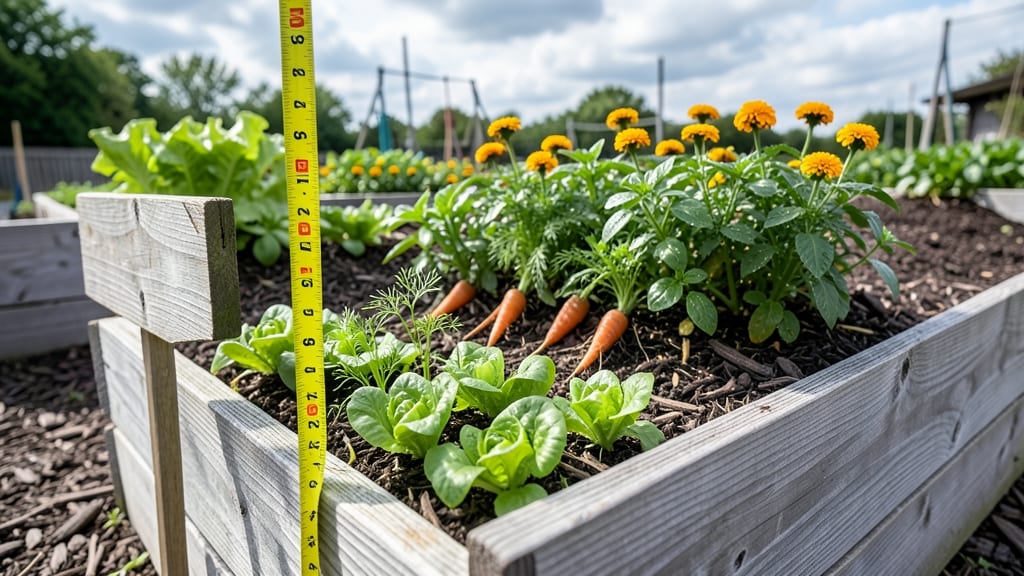
Determining garden bed height depends on your plants: vegetables need 6-12 inches of soil depth for strong root systems, while most flowers thrive in 4-8 inches unless they're deep-rooted varieties. Raised beds should reach 10-12 inches to combat soil compaction and improve drainage for all types.
Getting the right garden bed height isn't just about aesthetics—it's about creating the perfect growing environment for your plants. 🌱 Vegetables like tomatoes or carrots need deeper soil to support their root systems and produce larger harvests, while shallow-rooted flowers benefit from shallower beds that stay consistently moist.
The extra height in raised beds also helps regulate soil temperature, keeping roots cooler in summer and warmer in spring, which can extend your growing season. Plus, taller beds reduce bending and strain, making gardening more comfortable for your back.
For a practical approach, consider your most demanding plants first. If you're growing root vegetables or deep-rooted perennials, prioritize the deeper end of the spectrum. For flowers or herbs, you can opt for slightly shallower beds while still maintaining good drainage.
Just remember: even a few extra inches can make a big difference in how well your plants perform and how easy they are to maintain.
💡 In This Article
- How Raised Garden Bed Height Affects Plant Growth
- Choosing the Right Garden Bed Height for Your Plants
How raised garden bed height affects plant growth
Soil depth directly impacts root development because plants need space to spread and access nutrients. Vegetables like carrots or potatoes require 10-12 inches of soil to grow their edible roots fully, while shallow-rooted herbs such as basil or thyme thrive in just 4-6 inches.
The extra depth in taller beds also creates a larger root zone, which improves stability during wind or watering. This is why raised beds at 10-12 inches height help prevent soil compaction—roots don't get squeezed by foot traffic or heavy rainfall.
The height of your bed also regulates temperature in the root zone. In summer, deeper soil stays 5-10°F cooler than surface soil because it's shaded by the bed walls and retains moisture longer. This cooler environment prevents heat stress in sensitive plants like lettuce or spinach.
Conversely, in spring, deeper beds warm up faster, giving a head start to cold-sensitive crops like tomatoes. The extra insulation from the bed's height creates a more stable microclimate for roots.
Moisture retention is another critical factor influenced by bed height. Taller beds with 10-12 inches of soil hold water more efficiently because the larger volume reduces evaporation from the surface. This is especially valuable for drought-prone areas or sandy soils where water drains too quickly.
For example, a 4'x8' bed that's 12 inches tall holds about 32 gallons of water in the soil—nearly double that of an 8-inch bed. This extra capacity means less frequent watering, which saves time and resources.
Drainage benefits from taller beds too. The extra height prevents waterlogging by allowing excess moisture to drain away from the roots. In clay-heavy soils, this is particularly important because water can pool at the bottom of shallow beds, leading to root rot.
For instance, deep-rooted flowers like roses need well-drained soil, and a 12-inch raised bed ensures their roots get both the depth they need and the drainage they crave. The bed walls act like a natural wicking system, guiding water downward while preventing surface runoff.
Consider the case of tomatoes: their roots can spread 2-3 feet wide but only grow 12-18 inches deep. In a 6-inch in-ground bed, their roots might struggle to access enough nutrients, whereas in a 12-inch raised bed, they thrive with ample space to explore.
This deeper environment supports larger fruit production and stronger stems. The science shows that plants in deeper beds often grow 20-30% faster because their roots encounter fewer physical barriers.
For flowers, the story differs slightly. Most annuals like pansies or marigolds are shallow-rooted and prefer 4-6 inches of soil, but perennials like lavender or daylilies benefit from 8-12 inches to establish deep root systems for winter survival.
The key is matching the bed height to the plant's natural growth habits. Taller beds also help prevent weeds from invading, as the deeper soil creates a more competitive environment for your intended plants.
What most gardeners don't realize is how bed height affects soil fertility over time. Deeper beds allow for better compost incorporation because you can add organic matter throughout the soil profile, not just at the surface. This creates a more uniform nutrient distribution that roots can access easily.
For example, a 12-inch bed can accommodate a full 6-inch layer of compost mixed into the soil, while an 8-inch bed might only fit 4 inches. This extra compost boosts microbial activity, leading to healthier soil and more vigorous plant growth.