
Tools
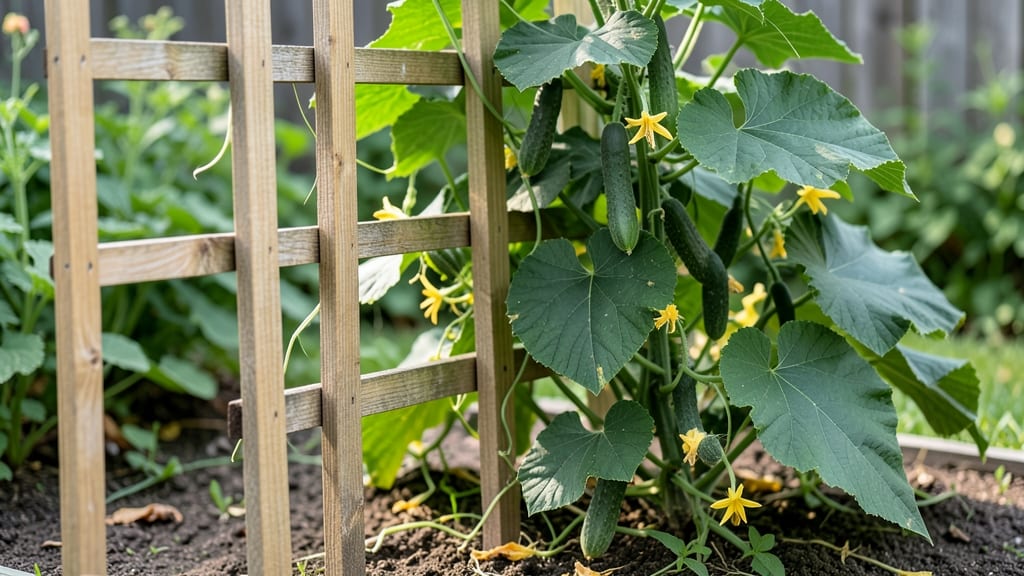
A foldable garden trellis is perfect for maximizing vertical space in small gardens, and its collapsible design makes it easy to store when not in use. Durable options like aluminum, powder-coated steel, or reinforced PVC resist weather damage while supporting heavy vines.
A foldable garden trellis transforms limited garden space by guiding plants upward, which is especially useful for vining vegetables like cucumbers or beans. Aluminum and powder-coated steel are top choices because they resist rust and corrosion, while reinforced PVC offers lightweight portability without sacrificing strength. 🌿 The best designs balance weight and stability—think of them as a sturdy ladder for your plants, not just a decorative frame.
For small gardens, freestanding models with adjustable heights let you tailor support to each plant's needs, while wall-mounted options save even more floor space.
When selecting a trellis, consider both the plant's growth habit and your storage space. Bamboo and composite wood options add natural aesthetics but may require more maintenance against pests or moisture. Pre-made trellises often include weight-bearing capacities (like 20+ pounds), so check labels if you're growing heavy climbers.
For DIYers, PVC pipes and wire mesh create budget-friendly alternatives that still fold flat for seasonal storage.
💡 In This Article
- How Material Choice Affects Trellis Durability and Plant Growth
- Best Foldable Trellis Designs for Small Gardens and Vertical Farming
How material choice affects trellis durability and plant growth
The material you choose for your foldable garden trellis directly impacts how well it withstands the elements and supports your plants. Aluminum, for example, resists rust and corrosion thanks to its natural oxide layer that forms instantly when exposed to air.
This makes it ideal for humid climates where other metals might degrade quickly. A 1-inch diameter aluminum trellis can typically support up to 30 pounds of vine weight, perfect for heavy climbers like pole beans or morning glories.
Powder-coated steel offers similar durability but with added strength—its protective finish prevents rust while the steel core handles heavier loads. For 5-6 foot trellises, look for 16-gauge steel as a sweet spot between weight and support.
Reinforced PVC, on the other hand, brings lightweight portability without sacrificing much strength, though it may yellow over time with prolonged sun exposure. This material's hollow design keeps weight down while still supporting 15-20 pounds per trellis.
Natural materials like bamboo and composite wood add aesthetic appeal but require more maintenance. Bamboo's hollow tubes provide excellent airflow for plant roots but can attract termites if not treated. Composite wood blends mimic natural wood's look while resisting rot, though they often weigh more than metal options.
For seasonal use, aluminum or PVC trellises fold flat with minimal effort, while wood versions may need disassembly to prevent warping during storage.
Weight isn't just about portability—it affects how plants grow. Heavier trellises stay more stable in wind, preventing top-heavy vines from snapping. A 10-pound aluminum trellis might sway slightly with 20-pound cucumber vines, while a 20-pound steel version remains rigid.
The key is matching material density to your garden's wind exposure and plant types. For delicate flowers like clematis, lighter bamboo works beautifully, while heavy squash vines demand metal support.
Consider your climate too. In coastal areas, salt-resistant aluminum or stainless steel prevents corrosion from ocean spray. For urban gardens with limited space, foldable PVC trellises store easily in closets or sheds.
The material's thermal conductivity matters too—metal trellises heat up faster in sun, which can stress some plants, while wood absorbs and releases heat more gradually.
What most gardeners overlook is how material affects plant health. Porous materials like untreated wood can harbor mold or bacteria, while smooth metal surfaces prevent vine damage during growth. For organic gardens, bamboo or untreated wood aligns with natural philosophies, but they require regular checks for pests or decay.
The right material choice transforms your trellis from a simple support into an active partner in your plants' growth journey.