
Tools
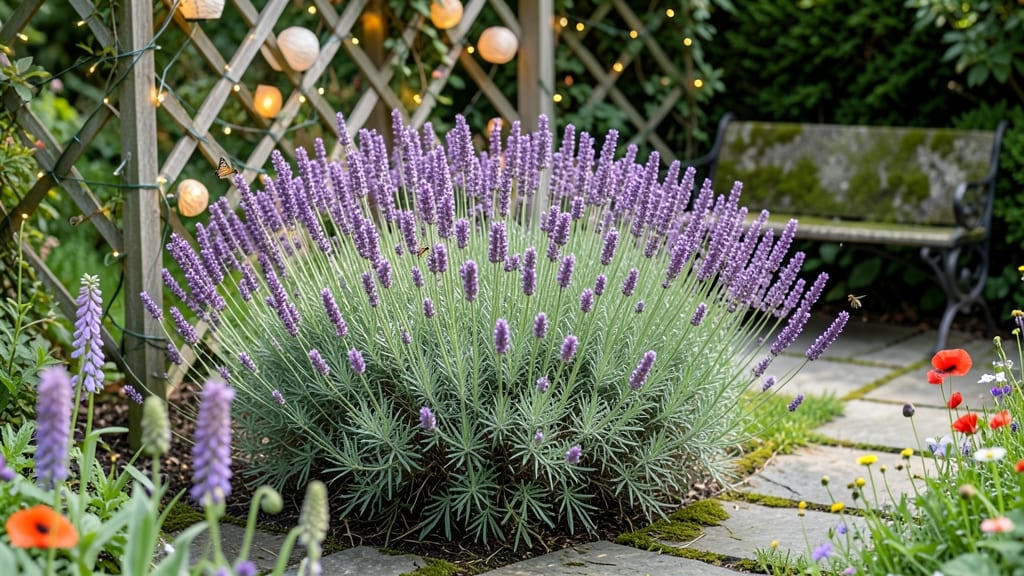
Creating an enchanted garden with colors that shift like seasons is the secret to a backyard that feels like a fairy tale all year.
Imagine walking through a space where spring’s soft lavenders fade into summer’s fiery oranges, then melt into autumn’s deep purples—only to wake up to winter’s icy whites dusted with frost.
That’s the magic of a thoughtfully layered garden, where every season tells its own story through plant choices and color harmony.
But here’s the catch: most gardens stop at one-season splendor. The real trick? Planning ahead so your blooms transition seamlessly, ensuring no dull patches when one variety fades and the next hasn’t arrived.
I’ll show you how to pick plants that bloom in waves, mix textures for depth, and avoid the pitfalls that turn "enchanted" into "overwhelming."
By the end, you’ll have a year-round color roadmap—plus my top picks for Zone 6’s Enchanted Garden Colors Collection 🌸—so your garden doesn’t just look magical in photos. It stays that way, bloom after bloom, frost after frost.
How to choose magical seasonal color palettes for your enchanted garden
Creating an enchanted garden starts with understanding how seasonal color theory transforms your outdoor space into a living fairy tale. Each season offers unique color palettes that evoke different moods—spring’s soft pastels, summer’s bold hues, autumn’s fiery tones, and winter’s icy elegance.
By mastering these shifts, you’ll craft a garden that feels magical year-round.
The key to harmonious color transitions lies in selecting plants that bloom sequentially. For example, spring bulbs like tulips and daffodils set the stage, while summer annuals like petunias and marigolds take center stage. Autumn’s chrysanthemums and asters then bridge to winter’s evergreens and snowdrops.
Let’s explore how to blend these seasonal hues effortlessly. Start by choosing a dominant color palette for each season—think soft lavender and mint for spring, crimson and gold for autumn, or silver and white for winter. Then, layer in complementary shades to create depth and movement.
Here’s a quick guide to seasonal color pairings that work beautifully together:
For a seamless transition between seasons, focus on perennial plants that return year after year. For example, coneflowers and black-eyed Susans provide summer color while their dried stems add winter texture. Pair them with early spring bloomers like crocuses or hepaticas to extend your garden’s magic.
Don’t overlook foliage plants like heucheras or hostas, which offer year-round color. Their deep purples, silvers, and greens act as a canvas for seasonal blooms. Place them strategically to tie your color palette together, even when flowers fade.
Lighting plays a crucial role in enhancing your enchanted garden colors. String fairy lights or solar-powered path lights to highlight key plants at night. Soft lighting transforms bold reds into deep crimsons and makes pastel whites glow ethereally—perfect for a moonlit garden effect.
To maintain harmony, avoid color clashes by sticking to a cohesive palette. For instance, if you love purples, pair them with whites, yellows, or soft blues. Use the 60-30-10 rule: 60% dominant color, 30% secondary, and 10% accent. This balance keeps your garden looking intentional and magical.
Start small by dedicating one bed or corner to a seasonal color theme. As you gain confidence, expand your enchanted garden by adding new plants or themes each year.
With these tips, your garden will feel like a living, breathing fairy tale—one that changes with the seasons like nature intended. 🌸
Best plants for creating an enchanted garden color shift throughout the year
Creating an enchanted garden that transforms with each season requires strategic plant selection. The key is choosing sequential bloomers—plants that overlap bloom times to ensure continuous color from spring through fall.
I’ve curated a list of perennials, annuals, and foliage plants that work together seamlessly, even for busy gardeners who want minimal upkeep.
Start with early spring bloomers like heaths and hellebores, which burst into color when frost still lingers. These delicate blooms set the stage for spring bulbs like daffodils and tulips, followed by late-spring perennials such as peonies and irises.
Each transition feels intentional, like nature’s own color palette shifting effortlessly.
🌸 Seasonal Color Shift Highlights
- Spring (March-May): Hellebores (soft pink/white) → Tulips (vibrant red/purple) → Peonies (romantic blush)
- Summer (June-August): Black-eyed Susans (golden yellow) → Coneflowers (rusty pink) → Salvias (deep purple)
- Fall (September-October): Mums (crimson/orange) → Asters (lavender) → Sedum (soft pink)
- Winter (November-February): Winter jasmine (bright yellow) + evergreen foliage (silver-blue)
For low-maintenance magic, focus on perennials like coneflowers and black-eyed Susans, which thrive with minimal care and return year after year. Pair them with annuals like marigolds and zinnias for pops of color in gaps. These combinations ensure your garden never feels bare, even during transitional months.
Don’t overlook foliage plants like heuchera (coral bells) or hostas, which add texture and color even when not in bloom. Their deep purples, silvers, and chartreuse hues create a lush backdrop that ties seasons together.
For example, a purple hosta planted near white spring blooms will echo the color of fall asters later in the year.
To extend the season, incorporate evergreen shrubs such as boxwood or dwarf yew. Their year-round structure provides a canvas for seasonal blooms, while winter jasmine or witch hazel add fleeting color when other plants rest. Even in dormancy, your garden will feel alive with these textural anchors.
Pro tip: Group plants by height and bloom time to create natural layers. Tall delphiniums (summer) can stand behind early spring crocuses, while ground-cover ajuga weaves between them. This strategic layering mimics the depth of a fairy-tale forest, where light filters through leaves in dappled patterns.
With this enchanted garden color shift, your outdoor space will feel like a living painting—always evolving, always magical. The best part? Once established, these plants require little more than seasonal pruning and occasional deadheading to keep the show going.