
Blooming
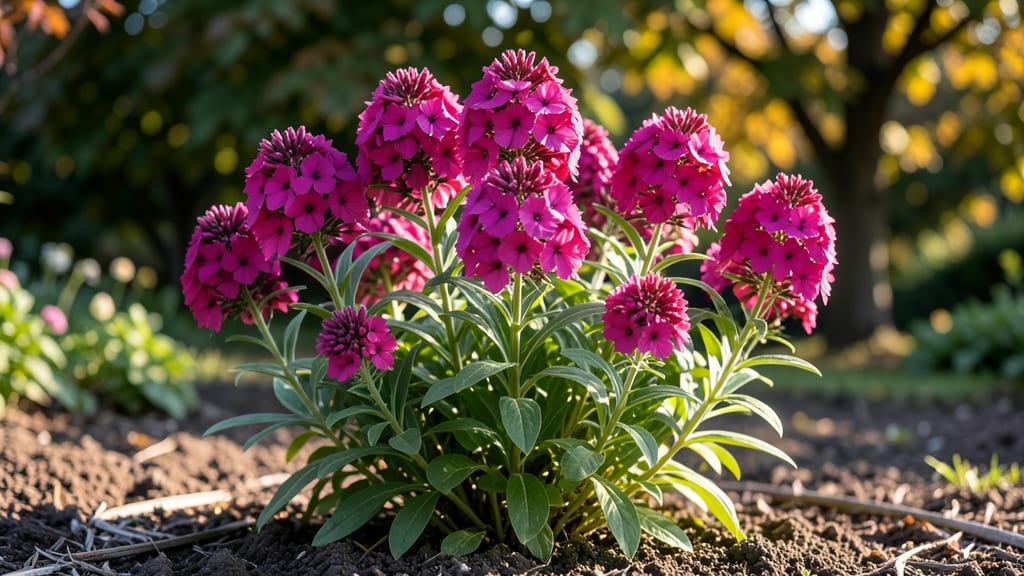
Garden phlox bloom for 4-6 weeks during late spring to early summer, with some varieties flowering into mid-summer depending on climate and care. Deadheading spent blooms encourages continuous flowering.
Garden phlox are famous for their vibrant, long-lasting displays, but their exact bloom duration depends on your growing conditions. 🌸 In cooler climates, they often start blooming in May and continue until June, while warmer regions may see flowers appear in April and stretch into July.
The key to extending their show is consistent care—well-drained soil, regular watering, and proper sunlight (full sun to partial shade) all play crucial roles in maintaining healthy plants that keep producing buds.
What many gardeners don't realize is that phlox varieties differ significantly in their bloom timelines. Early bloomers like David phlox may finish by early June, while later varieties like tall garden phlox can continue until late July.
The secret to maximizing their potential lies in understanding your specific variety's tendencies and adjusting your care routine accordingly.
💡 In This Article
- Factors Influencing Garden Phlox Bloom Duration
- Extending Phlox Blooms: Deadheading and Aftercare Tips
Factors influencing garden phlox bloom duration
Garden phlox bloom length varies dramatically based on their variety—early bloomers like David phlox typically peak in 3-4 weeks during May, while late-season varieties such as tall garden phlox can extend flowering for 6-8 weeks into July.
The difference lies in their genetic programming: early bloomers prioritize quick flowering to take advantage of spring conditions, while late varieties focus on prolonged displays. For example, Phlox paniculata (tall garden phlox) often produces secondary blooms later in the season if given proper care.
Sunlight exposure directly impacts bloom duration—phlox thrive in full sun (6+ hours/day), but in hot climates (USDA zones 7-9), afternoon shade prevents wilting and extends flowering by 10-15%. The ideal light balance triggers photosynthesis while preventing stress.
Soil quality matters just as much: well-draining, slightly acidic soil (pH 6.0-7.0) ensures roots absorb nutrients efficiently, supporting continuous bud production. Poor drainage or alkaline soil can shorten bloom time by 2-3 weeks due to root stress.
Watering habits create another critical factor—phlox need 1-1.5 inches of water weekly, but overwatering in late summer can trigger fungal diseases (like powdery mildew) that stunt blooms. Drip irrigation at soil level is ideal, as it delivers moisture directly to roots without wetting foliage.
In drier climates, mulching with 2-3 inches of organic matter retains moisture and regulates soil temperature, which helps sustain flowering for an extra 2 weeks compared to unmulched plants.
Climate plays a surprising role in bloom timing: phlox in cooler northern regions (USDA zones 3-5) often bloom 2-3 weeks later than those in warmer southern zones (6-9), due to delayed spring warming.
For instance, phlox in Zone 5 may not reach peak bloom until mid-June, while Zone 8 plants might start in April. The key is matching your care routine to your local frost dates—planting in early spring (after last frost) and providing consistent moisture ensures optimal bloom duration regardless of zone.
One often-overlooked factor is humidity: phlox in humid climates (like the Southeast) may develop powdery mildew, which weakens stems and reduces bloom time. Fungal-resistant varieties like 'David' phlox handle humidity better, while traditional tall phlox benefit from weekly fungicide sprays during peak bloom.
The trade-off? Proper fungicide use can extend flowering by up to 3 weeks** in high-humidity areas.