
Tools
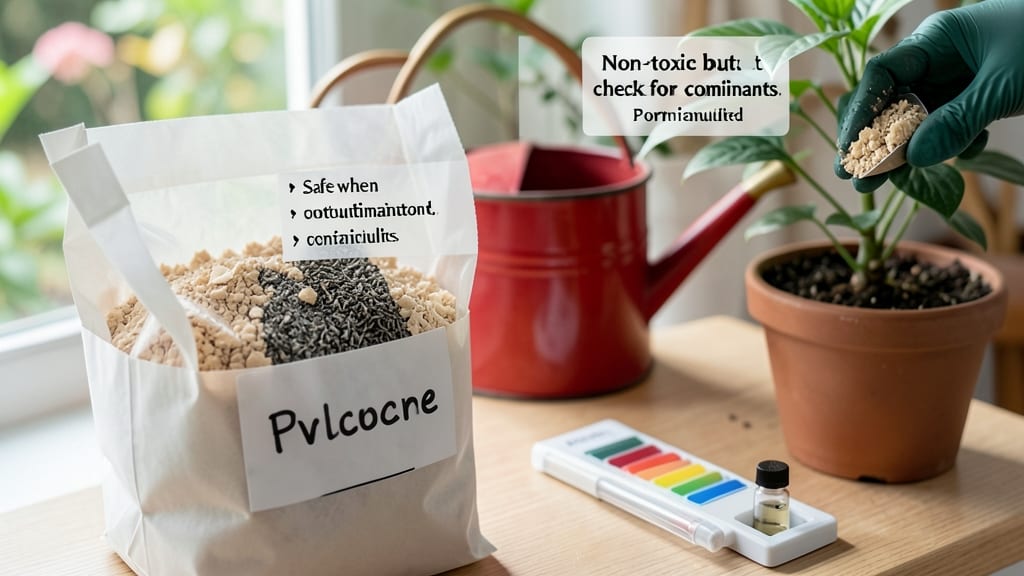
Vermiculite is dangerous in gardening when contaminated with asbestos, which can cause serious respiratory issues if disturbed. Always use certified asbestos-free vermiculite or safer substitutes like coconut coir or perlite for soil improvements.
This risk stems from older vermiculite sources mined before 1991, when asbestos was commonly mixed in to improve heat resistance. 🔥 When you disturb contaminated vermiculite—whether by mixing soil or cleaning bags—microscopic fibers become airborne, potentially leading to lung diseases like mesothelioma.
Even small amounts can pose risks over time, so testing products or choosing asbestos-free alternatives is critical for garden safety.
For a safer approach, I recommend using coconut coir (a sustainable byproduct of coconut processing) or perlite (a volcanic glass that improves drainage). Both mimic vermiculite's moisture-retention benefits without the health hazards.
You can easily swap them in potting mixes at a 1:1 ratio—just check your plants' specific needs first, as some may prefer the unique properties of traditional vermiculite.
💡 In This Article
- Asbestos Risks in Vermiculite: What Gardeners Need to Know
- Best Asbestos-Free Soil Amendments for Healthy Gardens
Asbestos risks in vermiculite: what gardeners need to know
The danger lies in vermiculite mined before 1991, when asbestos—a naturally occurring mineral—was intentionally added to improve its heat resistance. Asbestos fibers are microscopic, needle-like structures that become airborne when disturbed, making them invisible yet deadly when inhaled.
The most contaminated source was Libby, Montana, where vermiculite mined between 1924 and 1990 contained up to 12% asbestos by weight, according to EPA testing. This contamination spread globally, as Libby vermiculite was widely distributed in gardening products.
Exposure occurs primarily through three pathways: dust inhalation when handling loose vermiculite, soil disturbance during gardening tasks, and contaminated water runoff from gardens where old vermiculite was used.
The fibers lodge in lung tissue, causing chronic inflammation that can lead to mesothelioma (a rare but aggressive cancer) or asbestosis (a debilitating lung disease). Even short-term exposure to high concentrations can trigger respiratory symptoms like coughing or shortness of breath, while long-term exposure carries far graver risks.
The latency period for asbestos-related diseases can span 20-50 years, meaning symptoms may not appear until decades after exposure.
Testing for asbestos is the only way to confirm safety. The EPA recommends using vermiculite labeled as "asbestos-free" and certified by independent labs like Underwriters Laboratories (UL).
If you're unsure about your supply, send a sample to a certified lab for analysis—costs typically range from $50-$150 depending on the provider. For older bags (pre-1991), assume contamination exists unless proven otherwise.
The visual appearance of vermiculite doesn't change with asbestos—it remains the same light, fluffy texture, making identification impossible without testing.
Even asbestos-free vermiculite carries risks if handled improperly. When wet, vermiculite expands up to 8-12 times its original volume, creating more surface area for dust to escape.
This is why gardeners should always wear a NIOSH-approved respirator (like an N95 mask) when mixing soil with vermiculite, especially in enclosed spaces. Wet the vermiculite first to minimize dust, and work in a well-ventilated area.
For large-scale gardening, consider using pre-mixed, certified potting soils that exclude vermiculite entirely—many commercial brands now offer asbestos-free alternatives.
What most people don't realize is that asbestos fibers can remain airborne for hours after disturbance. A single 30-second disturbance of contaminated vermiculite can release enough fibers to exceed the EPA's 0.1 fibers per milliliter safety threshold for indoor air.
This is why containment is critical: use a damp cloth to wipe down surfaces after handling, and dispose of contaminated vermiculite as hazardous waste. Local regulations vary, but many areas require asbestos-contaminated materials to be sealed in 6-mil plastic bags and labeled before disposal.
For gardeners working with legacy soil, the risk extends beyond personal health. Asbestos fibers can contaminate water supplies when washed into storm drains or groundwater. This is particularly concerning for urban gardeners or those near waterways, where runoff from contaminated soil can spread the hazard beyond the garden.
The EPA estimates that 1 in 3 homes built before 1980 may contain asbestos in insulation or other materials, but the same principles apply—never assume vermiculite is safe without verification.