
Planting
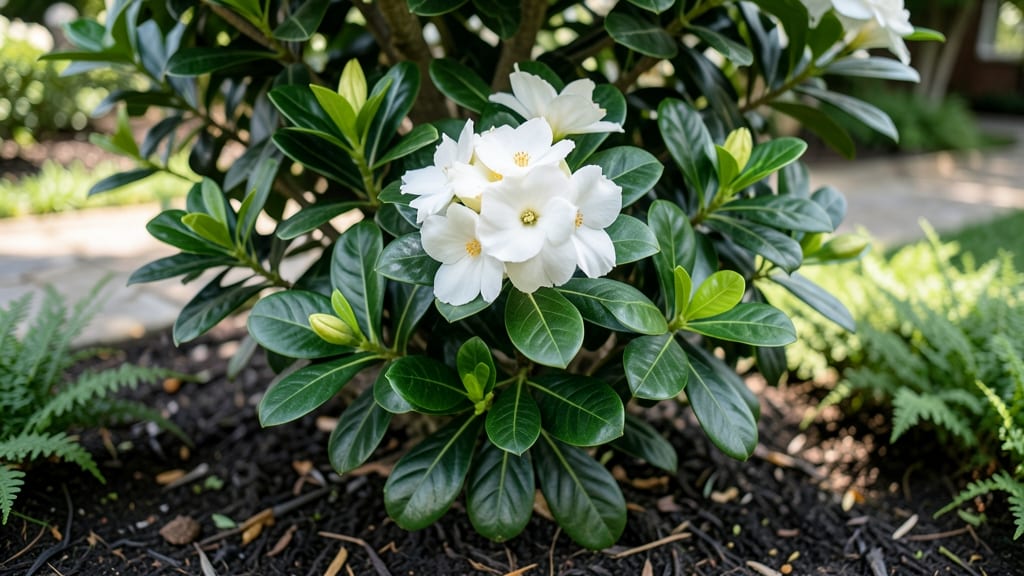
Gardenia plants can grow successfully indoors or outdoors, but their care depends entirely on your local climate. Outdoor gardenias flourish in warm zones (USDA 9-11) with full sun exposure, delivering continuous blooms year-round, while indoor varieties need bright, indirect light and consistent humidity to replicate their tropical origins. Your choice between indoor or outdoor placement should align with both your location and how much effort you're willing to invest in maintaining their delicate needs.
Deciding between indoor and outdoor gardening for your gardenia comes down to two key factors: your climate and your ability to provide ideal conditions. 🌿 Outdoor gardenias in warm regions enjoy natural sunlight and airflow, which encourages robust growth and abundant blooming.
However, if you're in a cooler zone, bringing your gardenia inside during winter becomes essential—just be prepared for the extra care required to maintain humidity levels and prevent leaf drop.
Indoor gardenias, on the other hand, need a sunny windowsill or grow lights to compensate for weaker natural light, plus regular misting or a pebble tray to keep their leaves from drying out.
What many gardeners overlook is how quickly gardenias respond to environmental changes.
A sudden shift from outdoor warmth to indoor dryness can cause buds to drop, while inconsistent light exposure leads to sparse flowering. 💫 That's why I always recommend transitioning plants gradually—whether moving them outside in spring or bringing them in for winter—and monitoring their reaction closely. The payoff?
A gardenia that thrives in either setting will reward you with that signature intoxicating fragrance and lush, glossy foliage year after year.
💡 In This Article
- Climate and Light Requirements for Gardenia Growth
- Step-by-Step Transition Guide for Moving Gardenias Indoors/Outdoors
Climate and light requirements for gardenia growth
Gardenias originate from tropical and subtropical regions where they experience consistent warmth and high humidity—ideal conditions that directly impact their growth and flowering. In outdoor settings, these plants thrive in USDA hardiness zones 9-11, where temperatures rarely drop below 50°F and summers stay warm year-round.
The key mechanism here is their sensitivity to cold drafts and temperature fluctuations, which can trigger bud drop or even leaf scorch. 🌞 For outdoor gardeners in cooler zones, winterizing becomes critical, often requiring moving plants to sheltered locations or using frost cloths to protect them from temperatures below 40°F.
Light requirements create another critical distinction between indoor and outdoor growth. Gardenias need bright, indirect sunlight—at least 6-8 hours daily—but direct midday sun can scorch their delicate leaves, especially in hot climates.
Outdoors, they adapt naturally to morning sun and afternoon shade, while indoors, a south- or west-facing window with sheer curtains mimics this balance. The difference in light intensity is stark: outdoor plants receive 10,000-15,000 lux of natural light, whereas indoor plants often struggle with 1,000-3,000 lux from windows alone.
This is why grow lights (full-spectrum LEDs) become essential for indoor gardenias, particularly in winter when daylight shortens.
Humidity plays an equally vital role, as gardenias originate from environments with 50-70% relative humidity. Outdoor plants in humid climates (like coastal areas) rarely face issues, but indoor plants often suffer in dry air, leading to crispy leaf edges or bud blast.
To compensate, indoor gardeners use pebble trays, humidifiers, or group plants together to create microclimates.
The science behind this is simple: higher humidity reduces transpiration stress, allowing the plant to focus energy on blooming rather than conserving moisture. 💧 Without this adjustment, indoor gardenias may produce fewer flowers or exhibit stunted growth.
Temperature fluctuations also trigger physiological stress. Gardenias prefer 65-75°F year-round, with a tolerance range of 55-85°F. Sudden drops below 50°F can halt flowering, while temperatures above 85°F may cause heat stress, visible as yellowing leaves or wilting.
This is why outdoor gardenias in hot climates benefit from afternoon shade, while indoor plants near heating vents or air conditioning may need relocating. The goal is consistency—gardenias respond poorly to swings of more than 10°F in a single day.
Seasonal adjustments further refine care. Outdoor gardenias in mild winters (zones 8-9) may survive with minimal protection, but those in colder zones (7 or below) require digging up and potting for winter storage.
Indoors, maintaining a steady environment is easier but demands vigilance: drafty windows, cold floors, or dry air from heating systems all pose risks. The payoff for meeting these requirements? A gardenia that blooms year-round with that signature intoxicating fragrance—worth the effort for any plant enthusiast. ✨