
Advice
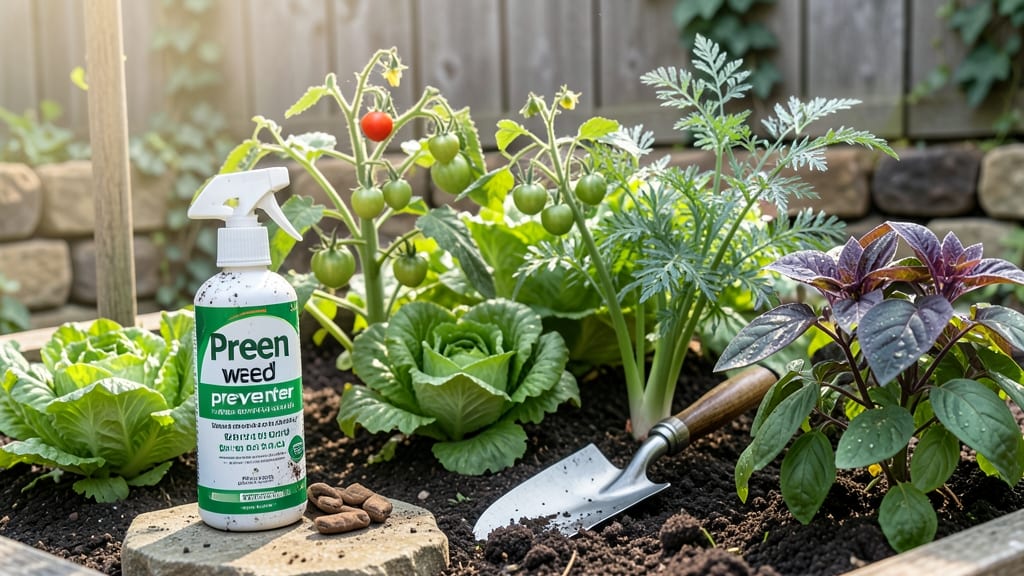
Preen is not safe for vegetable gardens because it contains pre-emergent herbicides like trifluralin or pendimethalin, which can harm edible plants and disrupt soil biology when used near crops or harvestable areas. Always apply only in ornamental beds, keeping it 12+ inches away from veggies.
Using Preen in vegetable gardens risks chemical contamination of your harvest. 🌱 The herbicides in Preen target young weed seedlings by stopping cell division, but they don't distinguish between weeds and your edible crops—so any accidental drift or soil residue can stunt or kill your plants.
Even if you think you've applied it safely, these chemicals can linger in the soil for months, affecting future plantings. For edible gardens, I recommend organic alternatives like corn gluten meal or targeted hand-pulling instead.
What's especially concerning is how these herbicides impact soil health. 🌿 Microbes in the soil break down organic matter and make nutrients available to plants—something Preen disrupts. When soil biology suffers, your vegetables may grow more slowly or become more susceptible to disease.
The good news? Switching to organic weed control methods preserves that delicate soil ecosystem while keeping your veggies safe to eat.
💡 In This Article
- How Preen Herbicides Affect Vegetable Growth and Soil Health
- Organic Weed Control Alternatives for Vegetable Garden Beds
How Preen herbicides affect vegetable growth and soil health
The active ingredients in Preen—like trifluralin and pendimethalin—work by disrupting cell division in young plants, preventing weeds from sprouting. These chemicals belong to the dinitroaniline and acetamide herbicide families, which interfere with the formation of microtubules in plant cells.
While effective against weeds, they don't discriminate between unwanted plants and your edible crops when applied too close. 🌱 Even a light drift of these chemicals can cause stunted growth, yellowing leaves, or complete failure in young seedlings like tomatoes or lettuce.
What makes this especially risky is how long these herbicides persist in the soil. Trifluralin, for example, can remain active for 3-6 months, while pendimethalin lingers for 2-4 months. During this time, any new plantings—even root vegetables like carrots or beets—can absorb these chemicals through their roots.
The U.S. EPA classifies both as "moderately toxic" to aquatic life, but their impact on soil microbes is often overlooked. These microbes are responsible for breaking down organic matter and cycling nutrients, so their disruption can lead to poorer soil structure and reduced plant vigor.
Consider how these chemicals affect your garden's ecosystem. Healthy soil teems with beneficial bacteria, fungi, and earthworms that create pathways for water and nutrients. Preen's herbicides can reduce microbial populations by up to 30% in treated areas, according to studies from the University of California.
This means your vegetables may struggle to access essential nutrients like nitrogen, even if you're fertilizing regularly. The result? Plants that look weak, have pale leaves, or produce smaller yields—all while potentially containing trace amounts of herbicide residues.
Another critical factor is how these chemicals behave in different soil types. Sandy soils drain quickly, allowing herbicides to move deeper and potentially contaminate groundwater, while clay soils hold them near the surface where roots absorb them.
If you've ever noticed weeds dying in a spot where you applied Preen but your nearby veggies looking off, that's the herbicide at work—just not where you wanted it. The 12-inch buffer zone recommendation isn't just a guess; it accounts for spray drift and soil movement during watering or rain.
For a real-world example, imagine planting a new row of basil after applying Preen to a flower bed just 6 inches away. The herbicide's volatile nature means it can vaporize and redeposit on nearby plants, causing leaf burn or growth inhibition.
Even if you don't see immediate damage, these chemicals can accumulate in plant tissues over time, posing risks if consumed. This is why organic gardeners avoid synthetic herbicides entirely—because once they're in the soil, they're hard to remove.
If you're wondering how to check for residual herbicides in your soil, a simple plant bioassay can help. Plant a fast-growing, sensitive crop like radishes in treated soil. If they show signs of stunted growth or yellowing within 7-10 days, it's a sign the herbicide is still active.
This method gives you a practical way to assess whether your vegetable garden is safe for planting without lab tests.