
Planting
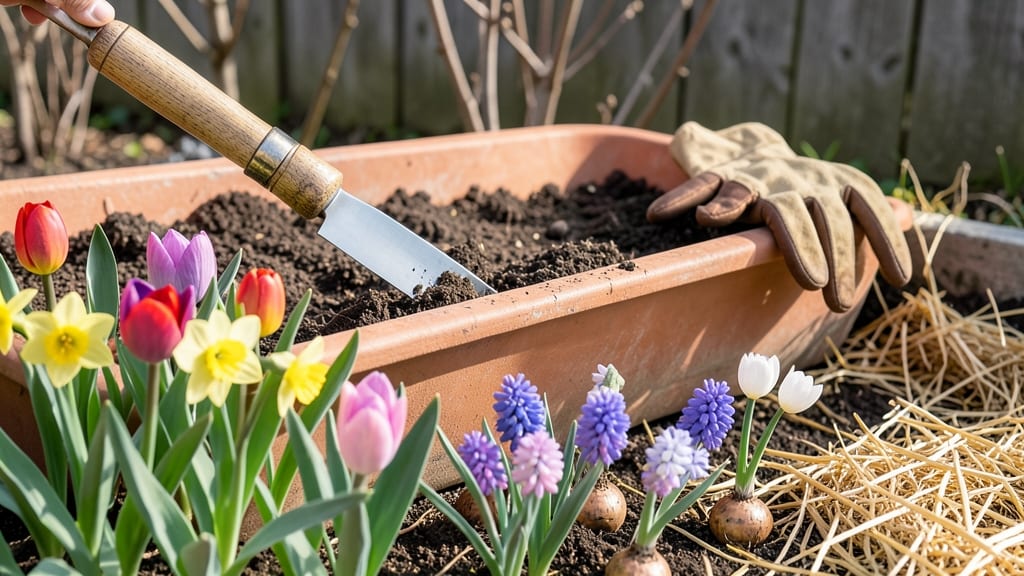
Planting bulbs in your garden at the right time ensures perfect spring blooms and avoids frost damage—fall is the ideal window for most varieties, but timing varies by zone.
Ever dug in the dirt only to watch your bulbs rot before winter sets in? Or missed the chance to plant for next year’s showstopper flowers? The key lies in knowing when the ground cools but hasn’t frozen yet—usually 6-8 weeks before frost in zones like 6a.
This guide breaks down the best months for your region, how to adjust for early or late frosts, and the top mistakes that sabotage even the most careful gardeners. Whether you’re prepping for tulips or daffodils, you’ll learn exactly when to plant for a garden that bursts with color.
From soil prep to depth, we’ll cover everything so your bulbs thrive—no guesswork, just flawless timing for blooms that steal the show.
Best planting times for bulbs by USDA hardiness Zones
Planting bulbs at the right time ensures they establish strong roots before winter and bloom beautifully in spring. Most spring-flowering bulbs—like tulips, daffodils, and hyacinths—should be planted in fall, but the exact timing depends on your USDA hardiness zone.
In warmer zones, you might even plant in winter, while colder zones require earlier action.
Your last frost date is the key factor. Aim to plant bulbs 6-8 weeks before the ground freezes—this gives roots time to anchor before winter dormancy.
For example, in Zone 5, that’s mid-September to early October, while in Zone 8, you can plant as late as December. Let’s break it down by zone to help you time it perfectly.
| USDA Zone | Ideal Planting Window | Bulb Types | Notes |
|---|---|---|---|
| Zones 3-4 | Late August to mid-October | Tulips, Daffodils, Hyacinths | Plant early—soil freezes by November. |
| Zones 5-6 | Mid-September to early November | Alliums, Crocus, Snowdrops | Avoid planting after first frost. |
| Zones 7-8 | October to December | Daffodils, Lilies, Fritillaries | Warmer winters allow later planting. |
| Zones 9-10 | November to January | Rain Lilies, Cyclamen | Plant in winter for spring blooms. |
In Zones 3-4, where winters are harsh, prioritize early planting (late August to mid-September) to avoid soil freezing. Tulips and daffodils thrive here but need time to root before the ground hardens.
If you’re in Zone 4 and see the first frost by October 15th, plant by mid-September to be safe.
For Zones 5-6, the window stretches from mid-September to early November, giving you flexibility. Alliums and crocus are great choices here—they tolerate colder soils and often bloom earlier than tulips. If your ground stays workable until late October, you can still plant hyacinths successfully.
Gardeners in Zones 7-8 enjoy a longer planting season, from October to December. This is ideal for daffodils, which are less frost-sensitive than tulips. In Zone 7, you can even plant lilies in early November and still get robust growth.
Just avoid planting after the first hard frost, which can damage tender roots.
In warmer zones (9-10), bulbs like rain lilies and cyclamen can be planted as late as January. These zones rarely experience freezing soil, so the focus shifts to avoiding summer heat stress. Plant in winter to give bulbs a head start before spring’s warmth triggers growth.
Pro tip: Use a soil thermometer to check if the ground is below 60°F. If it is, your bulbs may not root properly. In Zones 3-6, this usually happens by late October, while Zones 7-10 can wait until November or December.
Adjust your timing based on your local frost dates and soil conditions.
If you miss the fall window, don’t worry—many bulbs can also be planted in early spring (March-April). However, spring-planted bulbs may bloom later or produce fewer flowers. For best results, stick to the fall schedule and enjoy a garden bursting with color come spring.
Remember, the goal is to give your bulbs 6-8 weeks of root growth before winter. Whether you’re in Zone 3 or Zone 10, timing is the secret to vibrant blooms. Happy planting! 🌷
How to adjust planting dates based on local frost patterns
Understanding your local frost patterns is the key to planting bulbs at the perfect time. While general guidelines suggest planting in fall for spring blooms, your exact timing depends on when the ground freezes in your area.
I’ve learned the hard way that planting too early can lead to rot, while waiting too long may stunt growth.
Start by checking your USDA hardiness zone and historical frost dates for your region. Most bulb varieties need 6-8 weeks in the ground before the first frost to establish roots.
For example, in Zone 5, that means planting tulips by early October, while in Zone 8, you might have until December.
Here’s the critical step: Monitor soil temperatures. Use a soil thermometer to ensure temperatures stay above 50°F (10°C) for at least 2-3 weeks after planting. If the ground freezes before roots take hold, your bulbs won’t survive the winter.
⚠️ Watch for These Early Winter Signs
Don’t rely solely on a calendar—nature gives you clues! If you notice leaves turning brown and dropping, or if the ground feels firm and cold to the touch, it’s time to plant.
Another telltale sign is when mornings bring frost on grass or flowers—this means the first freeze is imminent.
Pro Tip: If you’re unsure, plant 2-3 weeks earlier than your average frost date. Bulbs can handle cooler soil better than warm, soggy conditions.
For warm-climate gardeners (Zones 9-11), the rules flip: plant bulbs in late fall or even winter to avoid summer heat. In these areas, bulbs like daffodils and hyacinths thrive when planted in November or December, so they sprout in cool winter months.
If you’re in a transitional zone (like Zone 7), consider using mulch to insulate bulbs. A 2-3 inch layer of straw or leaves can delay frost penetration by 2-4 weeks, giving roots extra time to establish. Just remember to remove mulch in early spring to prevent rot.
Finally, keep a planting journal to track what works in your garden. Note the exact dates you plant, local weather patterns, and bloom success. Over time, you’ll refine your schedule to match your microclimate—whether that’s a sunny south-facing slope or a shady woodland edge.