
Planting
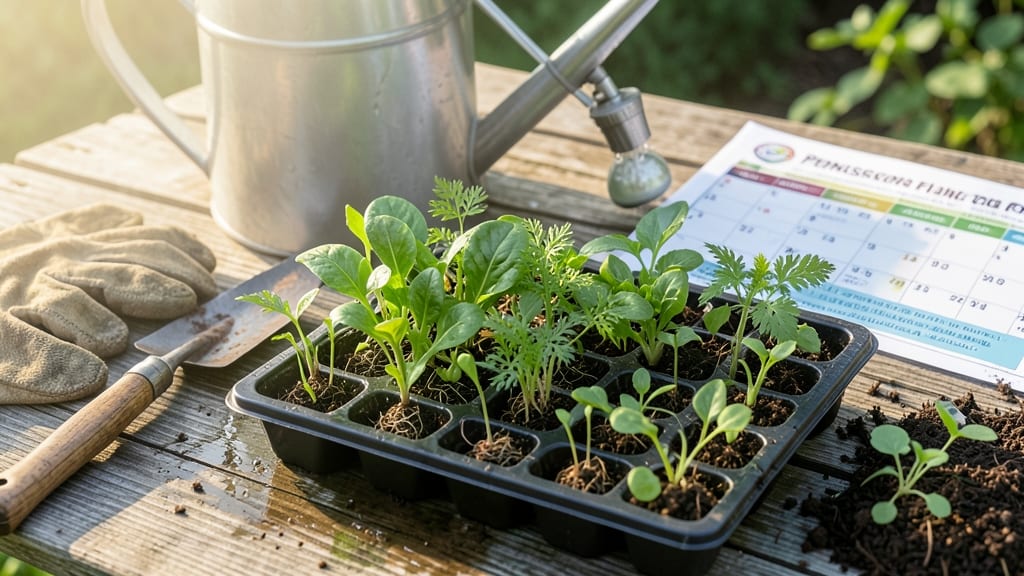
Planting a vegetable garden in Pennsylvania at the right time means the difference between a bumper crop of fresh tomatoes and sad, frost-nipped seedlings 🥬.
Pennsylvania’s diverse climate—from the humid Appalachians to the frost-prone Poconos—means planting your vegetable garden at the wrong time can spell disaster for your harvest. Timing is everything, and getting it right could mean the difference between a thriving garden and a sad, wilted failure.
Most gardeners in zones 5-7 wait until after the last frost—usually mid-April—but that’s just the start. Cool-season crops like lettuce and peas can handle chilly soil, while warm-season favorites like tomatoes need the ground to warm up first.
Miss the window, and you’ll end up with leggy seedlings or fruit that never sets.
Here’s what you need to know: the best planting windows by season, how to read frost dates like a pro, and the three biggest mistakes Pennsylvania gardeners make when timing their vegetable garden. Let’s get those seeds in the ground the right way!
Pennsylvania planting zones and frost dates: what you Must Know Before Planting
Pennsylvania spans USDA planting zones 5a through 7a, meaning temperatures and frost patterns vary dramatically across the state. In the Poconos (Zone 5a), gardeners face earlier frosts and shorter growing seasons, while Philadelphia (Zone 7a) enjoys milder winters and longer harvest windows.
Understanding these zones helps you choose the right vegetables for your region and avoid costly planting mistakes.
Your last frost date is the critical marker for planting. In most of PA, this falls between April 15 and May 1, but microclimates—like urban areas or valleys—can shift dates by 1-2 weeks.
The 10-day rule is my secret: Wait 10 days after your average last frost to transplant warm-season crops like tomatoes and peppers, ensuring soil warmth and no surprise frosts.
Here’s the hard truth: Planting too early can kill tender seedlings, while waiting too long reduces your harvest. For example, spinach and peas thrive when sown 4-6 weeks before last frost, while cucumbers and beans need soil temperatures above 60°F—usually 2-3 weeks after that last frost date.
Let’s break down the regional differences in Pennsylvania’s frost dates. Cities like Philadelphia (Zone 7a) have later last frosts (April 25) compared to Pittsburgh (Zone 6b) (April 15) or Erie (Zone 6a) (April 20).
These variations mean your neighbor’s planting schedule might not work for you!
If you’re in Zone 5a (Poconos), your growing season is shorter, so focus on fast-maturing crops like bush beans, radishes, and lettuce. In contrast, Zone 7a (Philadelphia) allows for two full harvests: one in spring and another in fall.
Pro tip: Use row covers to extend your season by 2-3 weeks in cooler zones.
For warm-season crops, wait until soil temperatures reach 60°F—use a soil thermometer to check. In Pittsburgh (Zone 6b), this usually happens around May 10, while Erie (Zone 6a) may need to wait until May 15.
Planting too soon in cold soil stunts growth and invites damping-off disease.
Don’t forget about fall planting! In Philadelphia, you can sow spinach, kale, and carrots as late as August 15
Best vegetables to plant in Pennsylvania by season: cool-season vs. warm-season crops
Pennsylvania’s cool springs and warm summers create the perfect stage for two distinct planting seasons. Cool-season crops like spinach and peas thrive when temperatures dip below 75°F, while warm-season favorites such as tomatoes and peppers demand heat to flourish.
Getting this balance right ensures your garden stays productive from early spring to late fall.
I’ve spent years testing which vegetables grow best in my Zone 6b garden in central PA, and the results show that timing is everything. Planting cool-season crops too late or warm-season crops too early can lead to stunted growth or even total failure.
Let’s break down the best options for each season and how to avoid common pitfalls.
3 Biggest Planting Mistakes PA Gardeners Make
- 1 Ignoring frost dates: Planting warm-season crops like tomatoes before the last frost (typically mid-April) will kill tender seedlings. Always wait 2-3 weeks after the last frost.
- 2 Overcrowding seedlings: Too many pepper plants or cucumbers in tight spaces leads to poor air circulation and disease. Follow spacing guidelines—18-24 inches for tomatoes, 12-18 inches for peppers.
- 3 Skipping soil prep: Planting directly into cold, compacted soil stunts root growth. Amend beds with compost and aged manure 4-6 weeks before planting for optimal results.
For cool-season crops, start seeds indoors 4-6 weeks before your last frost date (early March in most of PA) or direct-sow in early spring. Spinach, peas, and broccoli are my top picks—they handle light frosts and even thrive in 50°F temperatures.
In fact, some varieties like ‘Early Snowball’ peas can tolerate brief frosts down to 20°F!
Shift to warm-season crops once soil temperatures hit 60°F consistently (usually late May in PA). Tomatoes, peppers, and cucumbers love the heat and will reward you with bountiful harvests if planted after the last frost.
My go-to varieties include ‘Brandywine’ tomatoes (heirloom, disease-resistant) and ‘Jalapeño M’ peppers (great for fresh eating and pickling).
Don’t forget about fall planting—many cool-season crops can be sown again in late summer for a second harvest. Kale, carrots, and radishes are excellent choices, as they mature quickly before the first frost (typically mid-October).
I’ve had great success with ‘Winterbor’ kale, which sweetens up after a light frost and stays productive well into December.
Pro tip: Use row covers or cold frames to extend your growing season. These simple tools can push your harvest window by 2-4 weeks in both spring and fall, giving you more time to enjoy fresh produce straight from your garden.
Just remember to remove covers during warm days to prevent overheating.