
Tools
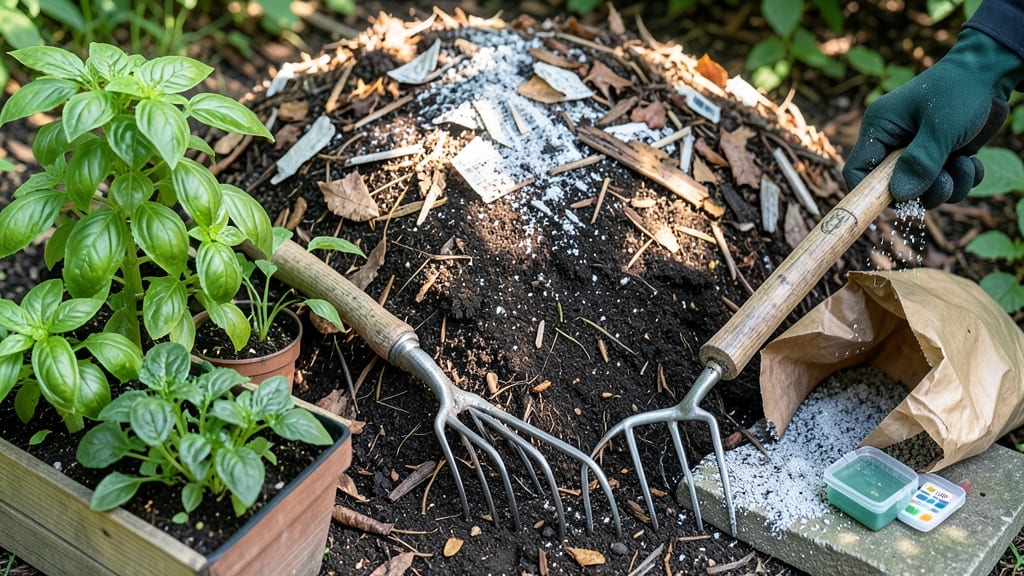
Firewood ash can be good for a garden by raising soil pH and providing potassium, but it must be used sparingly—too much can disrupt nutrient balance or harm acid-loving plants like blueberries and azaleas. Always test soil first and apply thinly in small doses.
Using firewood ash in your garden can be a game-changer for alkaline-loving plants like tomatoes or peppers, since it naturally raises soil pH levels. 🌱 The potassium content also supports strong root development and flowering, but the key is moderation—overdoing it can create a harsh, unbalanced environment that stunts growth.
I’ve found that mixing ash into compost piles (about 1 cup per 5 gallons) is a safer approach than spreading it directly on soil.
Before you add any ash, check your soil’s pH with a simple test kit—most garden plants thrive between 6.0 and 7.0. Acid-loving plants like hydrangeas or rhododendrons will suffer if you raise the pH too high, so test first and adjust gradually.
A little goes a long way, and patience pays off in healthier plants.
💡 In This Article
- How Firewood Ash Affects Soil pH and Nutrient Levels
- Safe Ways to Use Firewood Ash in Your Garden
How firewood ash affects soil pH and nutrient levels
Firewood ash works as a natural soil amendment because it contains high levels of alkaline compounds, primarily calcium and potassium carbonates.
When ash dissolves in soil moisture, these compounds react with acidic hydrogen ions, neutralizing them and raising the pH. For example, hardwood ash can raise soil pH by 0.5 to 1.0 points per application, making it ideal for acidic soils where plants like tomatoes or peppers struggle to thrive.
The chemical reaction is similar to adding lime but happens faster and with more immediate potassium release.
The potassium content in ash—typically 3-5% by weight—provides an essential nutrient for plant growth, particularly for root development and flowering. Unlike synthetic fertilizers, ash releases potassium slowly, mimicking natural nutrient cycling. However, this benefit comes with a trade-off: ash lacks nitrogen and phosphorus, two critical nutrients for leafy growth.
Overapplying ash can actually deplete these nutrients by altering soil microbial activity, which is why balanced fertilization remains important.
Soil pH thresholds matter more than you might think. Most vegetables and flowers prefer a slightly acidic to neutral range (6.0-7.0), while alkaline-loving plants like lavender or asparagus thrive above 7.5.
Ash can push pH into the 8.0+ range if overused, creating a hostile environment for acid-loving species. The visual clue? Yellowing leaves on blueberries or azaleas often signal over-alkalized soil from excessive ash.
Here's what's happening at the molecular level: Ash particles dissolve in water, releasing calcium (Ca²⁺) and potassium (K⁺) ions that displace hydrogen (H⁺) ions bound to soil particles. This ion exchange raises pH while making potassium available to plant roots.
The process is reversible—if you later need to lower pH, organic matter like peat moss can help restore balance. Think of ash as a temporary pH adjuster rather than a permanent fix.
Consider this comparison: A 1-pound application of ash per 100 square feet might raise pH by 0.3-0.5 points in sandy soil, but the same amount could have minimal effect in clay soil due to different water retention.
The texture of your ash matters too—fine, powdery ash dissolves faster than coarse chunks, so sifting it before application ensures even distribution. 🌱
One often-overlooked factor is the type of wood burned. Hardwood ash (oak, maple) contains more calcium and less potassium than softwood ash (pine, cedar), which can leave a slightly acidic residue.
Always use ash from untreated wood—pressure-treated lumber contains chemicals that harm plants. The golden rule? When in doubt, test your soil before applying ash to avoid creating a chemical imbalance.